Ki Te Ao Mārama: Understanding trauma-informed approaches & pathways to healing | Workshop 2

Overview
Join us for the second in a series of online workshops run by Te Pou, Le Va, and Whāraurau. These workshops are aimed at kaimahi, leaders, and educators across the mental health and addictions sector
Workshop 2 consists of two sessions exploring Pacific perspectives and lived experience:
Session one
Honouring story, restoring spirit | Understanding Pacific approaches to trauma-informed practice
Presented by Nicholas Cao (Le Va) and Siosinita Alofi (Whāraurau), this session introduces a pan-Pacific and culturally grounded perspective on trauma-informed, healing-centred care for the mental health and addiction workforce. It explores how Pacific values, relational approaches, and frameworks such as the Fonofale model, can strengthen safety, trust, and engagement with Pacific individuals and families.
This session will also feature contributions from Maliaga Erick (Whāraurau), Angel Timali Tiatia-Siau, Mark Esekielu, and Manase Lua (all from Le Va).
Session two
Understanding trauma through lived experience | How systems can shape experience
Presented by Tai Bennett (Whāraurau), Amanda Bradley (Te Pou), and Caro Swanson (Te Pou), this session brings a lived experience approach to the discussion of trauma-informed care. From a young person’s perspective, they do not experience “services” as separate entities, but rather a series of adult responses to their pain. When these responses are inconsistent, unexplained, or primarily focused on control and risk management, trauma is often compounded and not resolved.
This discussion invites you to reflect on the uncomfortable but necessary idea that systems can both support and harm, and that trauma-informed care requires recognising the role care plays in shaping outcomes.
Following the presentation, the speakers will be joined by Romy Lee (Asian Family Services) and Jannine Nock (Te Whatu Ora) for a panel discussion.
Learning outcomes
- Enhance understanding of indigenous Pacific conceptualisations of trauma
- Increase knowledge of protective factors for Pacific peoples that buffer against the impact of trauma
- Build confidence in applying healing-centred principles when working with Pacific peoples
- Understand how young people with trauma experience systems, and how inconsistency and service boundaries can unintentionally increase distress
- Recognise the subtle ways language, labels, and everyday interactions effect safety, dignity, and agency
- Learn to interrupt harm by fostering consistency, transparency, and relational trust across services.
Confirmation of place on course
Please note that space on our courses can be limited or subject to certain criteria. You will receive an email from us to say your registration of interest has been received, however it is not a confirmed place until you get an email and/or calendar invite from the team at Whāraurau.
In rare cases we may not be able to give everyone who registers for the course a place and we apologise for this in advance.
Cancellation policy
If you are not able to attend please advise us a minimum of 48 hours prior to the training/event so we can offer your place to another person. Late or no cancellation may result in a restriction on registration on future training/events.
Collection of data a requirement of registration
As part of our reporting obligations to our funders, we need you to complete a series of questions as part of the registration process. Please make sure you complete all these questions every time you register for a course.
Cost
This course is fully-funded by the Government.
Queries
Please contact jennie.gan@wharaurau.org.nz
This session will not be recorded.
Overview
Join us for the second in a series of online workshops run by Te Pou, Le Va, and Whāraurau. These workshops are aimed at kaimahi, leaders, and educators across the mental health and addictions sector
Workshop 2 consists of two sessions exploring Pacific perspectives and lived experience:
Session one
Honouring story, restoring spirit | Understanding Pacific approaches to trauma-informed practice
Presented by Nicholas Cao (Le Va) and Siosinita Alofi (Whāraurau), this session introduces a pan-Pacific and culturally grounded perspective on trauma-informed, healing-centred care for the mental health and addiction workforce. It explores how Pacific values, relational approaches, and frameworks such as the Fonofale model, can strengthen safety, trust, and engagement with Pacific individuals and families.
This session will also feature contributions from Maliaga Erick (Whāraurau), Angel Timali Tiatia-Siau, Mark Esekielu, and Manase Lua (all from Le Va).
Session two
Understanding trauma through lived experience | How systems can shape experience
Presented by Tai Bennett (Whāraurau), Amanda Bradley (Te Pou), and Caro Swanson (Te Pou), this session brings a lived experience approach to the discussion of trauma-informed care. From a young person’s perspective, they do not experience “services” as separate entities, but rather a series of adult responses to their pain. When these responses are inconsistent, unexplained, or primarily focused on control and risk management, trauma is often compounded and not resolved.
This discussion invites you to reflect on the uncomfortable but necessary idea that systems can both support and harm, and that trauma-informed care requires recognising the role care plays in shaping outcomes.
Following the presentation, the speakers will be joined by Romy Lee (Asian Family Services) and Jannine Nock (Te Whatu Ora) for a panel discussion.
Learning outcomes
- Enhance understanding of indigenous Pacific conceptualisations of trauma
- Increase knowledge of protective factors for Pacific peoples that buffer against the impact of trauma
- Build confidence in applying healing-centred principles when working with Pacific peoples
- Understand how young people with trauma experience systems, and how inconsistency and service boundaries can unintentionally increase distress
- Recognise the subtle ways language, labels, and everyday interactions effect safety, dignity, and agency
- Learn to interrupt harm by fostering consistency, transparency, and relational trust across services.
Confirmation of place on course
Please note that space on our courses can be limited or subject to certain criteria. You will receive an email from us to say your registration of interest has been received, however it is not a confirmed place until you get an email and/or calendar invite from the team at Whāraurau.
In rare cases we may not be able to give everyone who registers for the course a place and we apologise for this in advance.
Cancellation policy
If you are not able to attend please advise us a minimum of 48 hours prior to the training/event so we can offer your place to another person. Late or no cancellation may result in a restriction on registration on future training/events.
Collection of data a requirement of registration
As part of our reporting obligations to our funders, we need you to complete a series of questions as part of the registration process. Please make sure you complete all these questions every time you register for a course.
Cost
This course is fully-funded by the Government.
Queries
Please contact jennie.gan@wharaurau.org.nz
This session will not be recorded.
Overview
Join us for the second in a series of online workshops run by Te Pou, Le Va, and Whāraurau. These workshops are aimed at kaimahi, leaders, and educators across the mental health and addictions sector
Workshop 2 consists of two sessions exploring Pacific perspectives and lived experience:
Session one
Honouring story, restoring spirit | Understanding Pacific approaches to trauma-informed practice
Presented by Nicholas Cao (Le Va) and Siosinita Alofi (Whāraurau), this session introduces a pan-Pacific and culturally grounded perspective on trauma-informed, healing-centred care for the mental health and addiction workforce. It explores how Pacific values, relational approaches, and frameworks such as the Fonofale model, can strengthen safety, trust, and engagement with Pacific individuals and families.
This session will also feature contributions from Maliaga Erick (Whāraurau), Angel Timali Tiatia-Siau, Mark Esekielu, and Manase Lua (all from Le Va).
Session two
Understanding trauma through lived experience | How systems can shape experience
Presented by Tai Bennett (Whāraurau), Amanda Bradley (Te Pou), and Caro Swanson (Te Pou), this session brings a lived experience approach to the discussion of trauma-informed care. From a young person’s perspective, they do not experience “services” as separate entities, but rather a series of adult responses to their pain. When these responses are inconsistent, unexplained, or primarily focused on control and risk management, trauma is often compounded and not resolved.
This discussion invites you to reflect on the uncomfortable but necessary idea that systems can both support and harm, and that trauma-informed care requires recognising the role care plays in shaping outcomes.
Following the presentation, the speakers will be joined by Romy Lee (Asian Family Services) and Jannine Nock (Te Whatu Ora) for a panel discussion.
Learning outcomes
- Enhance understanding of indigenous Pacific conceptualisations of trauma
- Increase knowledge of protective factors for Pacific peoples that buffer against the impact of trauma
- Build confidence in applying healing-centred principles when working with Pacific peoples
- Understand how young people with trauma experience systems, and how inconsistency and service boundaries can unintentionally increase distress
- Recognise the subtle ways language, labels, and everyday interactions effect safety, dignity, and agency
- Learn to interrupt harm by fostering consistency, transparency, and relational trust across services.
Confirmation of place on course
Please note that space on our courses can be limited or subject to certain criteria. You will receive an email from us to say your registration of interest has been received, however it is not a confirmed place until you get an email and/or calendar invite from the team at Whāraurau.
In rare cases we may not be able to give everyone who registers for the course a place and we apologise for this in advance.
Cancellation policy
If you are not able to attend please advise us a minimum of 48 hours prior to the training/event so we can offer your place to another person. Late or no cancellation may result in a restriction on registration on future training/events.
Collection of data a requirement of registration
As part of our reporting obligations to our funders, we need you to complete a series of questions as part of the registration process. Please make sure you complete all these questions every time you register for a course.
Cost
This course is fully-funded by the Government.
Queries
Please contact jennie.gan@wharaurau.org.nz
This session will not be recorded.
Course enrolment
Training/event details
Closed
Our learning platform will be offline for maintenance from Wednesday 10 December 11.59pm to Thursday 11 December 8.00am. Thanks for your patience.
Downloadable resources
Downloadable resources
Overview
Join us for the second in a series of online workshops run by Te Pou, Le Va, and Whāraurau. These workshops are aimed at kaimahi, leaders, and educators across the mental health and addictions sector
Workshop 2 consists of two sessions exploring Pacific perspectives and lived experience:
Session one
Honouring story, restoring spirit | Understanding Pacific approaches to trauma-informed practice
Presented by Nicholas Cao (Le Va) and Siosinita Alofi (Whāraurau), this session introduces a pan-Pacific and culturally grounded perspective on trauma-informed, healing-centred care for the mental health and addiction workforce. It explores how Pacific values, relational approaches, and frameworks such as the Fonofale model, can strengthen safety, trust, and engagement with Pacific individuals and families.
This session will also feature contributions from Maliaga Erick (Whāraurau), Angel Timali Tiatia-Siau, Mark Esekielu, and Manase Lua (all from Le Va).
Session two
Understanding trauma through lived experience | How systems can shape experience
Presented by Tai Bennett (Whāraurau), Amanda Bradley (Te Pou), and Caro Swanson (Te Pou), this session brings a lived experience approach to the discussion of trauma-informed care. From a young person’s perspective, they do not experience “services” as separate entities, but rather a series of adult responses to their pain. When these responses are inconsistent, unexplained, or primarily focused on control and risk management, trauma is often compounded and not resolved.
This discussion invites you to reflect on the uncomfortable but necessary idea that systems can both support and harm, and that trauma-informed care requires recognising the role care plays in shaping outcomes.
Following the presentation, the speakers will be joined by Romy Lee (Asian Family Services) and Jannine Nock (Te Whatu Ora) for a panel discussion.
Learning outcomes
- Enhance understanding of indigenous Pacific conceptualisations of trauma
- Increase knowledge of protective factors for Pacific peoples that buffer against the impact of trauma
- Build confidence in applying healing-centred principles when working with Pacific peoples
- Understand how young people with trauma experience systems, and how inconsistency and service boundaries can unintentionally increase distress
- Recognise the subtle ways language, labels, and everyday interactions effect safety, dignity, and agency
- Learn to interrupt harm by fostering consistency, transparency, and relational trust across services.
Confirmation of place on course
Please note that space on our courses can be limited or subject to certain criteria. You will receive an email from us to say your registration of interest has been received, however it is not a confirmed place until you get an email and/or calendar invite from the team at Whāraurau.
In rare cases we may not be able to give everyone who registers for the course a place and we apologise for this in advance.
Cancellation policy
If you are not able to attend please advise us a minimum of 48 hours prior to the training/event so we can offer your place to another person. Late or no cancellation may result in a restriction on registration on future training/events.
Collection of data a requirement of registration
As part of our reporting obligations to our funders, we need you to complete a series of questions as part of the registration process. Please make sure you complete all these questions every time you register for a course.
Cost
This course is fully-funded by the Government.
Queries
Please contact jennie.gan@wharaurau.org.nz
This session will not be recorded.
Overview
Join us for the second in a series of online workshops run by Te Pou, Le Va, and Whāraurau. These workshops are aimed at kaimahi, leaders, and educators across the mental health and addictions sector
Workshop 2 consists of two sessions exploring Pacific perspectives and lived experience:
Session one
Honouring story, restoring spirit | Understanding Pacific approaches to trauma-informed practice
Presented by Nicholas Cao (Le Va) and Siosinita Alofi (Whāraurau), this session introduces a pan-Pacific and culturally grounded perspective on trauma-informed, healing-centred care for the mental health and addiction workforce. It explores how Pacific values, relational approaches, and frameworks such as the Fonofale model, can strengthen safety, trust, and engagement with Pacific individuals and families.
This session will also feature contributions from Maliaga Erick (Whāraurau), Angel Timali Tiatia-Siau, Mark Esekielu, and Manase Lua (all from Le Va).
Session two
Understanding trauma through lived experience | How systems can shape experience
Presented by Tai Bennett (Whāraurau), Amanda Bradley (Te Pou), and Caro Swanson (Te Pou), this session brings a lived experience approach to the discussion of trauma-informed care. From a young person’s perspective, they do not experience “services” as separate entities, but rather a series of adult responses to their pain. When these responses are inconsistent, unexplained, or primarily focused on control and risk management, trauma is often compounded and not resolved.
This discussion invites you to reflect on the uncomfortable but necessary idea that systems can both support and harm, and that trauma-informed care requires recognising the role care plays in shaping outcomes.
Following the presentation, the speakers will be joined by Romy Lee (Asian Family Services) and Jannine Nock (Te Whatu Ora) for a panel discussion.
Learning outcomes
- Enhance understanding of indigenous Pacific conceptualisations of trauma
- Increase knowledge of protective factors for Pacific peoples that buffer against the impact of trauma
- Build confidence in applying healing-centred principles when working with Pacific peoples
- Understand how young people with trauma experience systems, and how inconsistency and service boundaries can unintentionally increase distress
- Recognise the subtle ways language, labels, and everyday interactions effect safety, dignity, and agency
- Learn to interrupt harm by fostering consistency, transparency, and relational trust across services.
Confirmation of place on course
Please note that space on our courses can be limited or subject to certain criteria. You will receive an email from us to say your registration of interest has been received, however it is not a confirmed place until you get an email and/or calendar invite from the team at Whāraurau.
In rare cases we may not be able to give everyone who registers for the course a place and we apologise for this in advance.
Cancellation policy
If you are not able to attend please advise us a minimum of 48 hours prior to the training/event so we can offer your place to another person. Late or no cancellation may result in a restriction on registration on future training/events.
Collection of data a requirement of registration
As part of our reporting obligations to our funders, we need you to complete a series of questions as part of the registration process. Please make sure you complete all these questions every time you register for a course.
Cost
This course is fully-funded by the Government.
Queries
Please contact jennie.gan@wharaurau.org.nz
This session will not be recorded.
Speakers
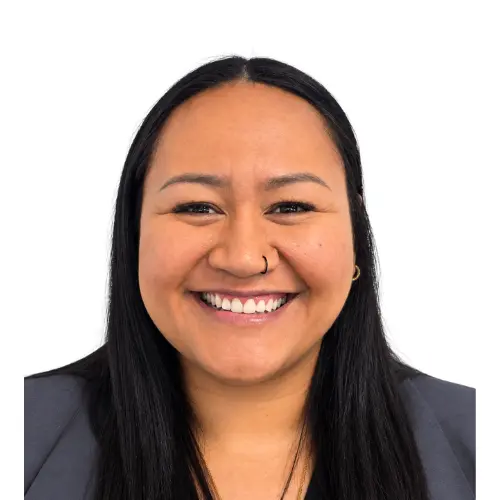
Hinemoa Hall
Ngāti Whatua, Ngā Puhi | Leader of education & operations, Te Aroha Noa
Hinemoa has a professional background spanning social and community services, education, and early childhood education. She has more than five years’ experience in leadership and practice within community-based settings.
In her current role at Te Aroha Noa, Hinemoa works alongside the CEO to provide organisational and practice leadership across a multidisciplinary team of social workers, counsellors, rangatahi facilitators, teachers, young parent practitioners, and community engagement staff.
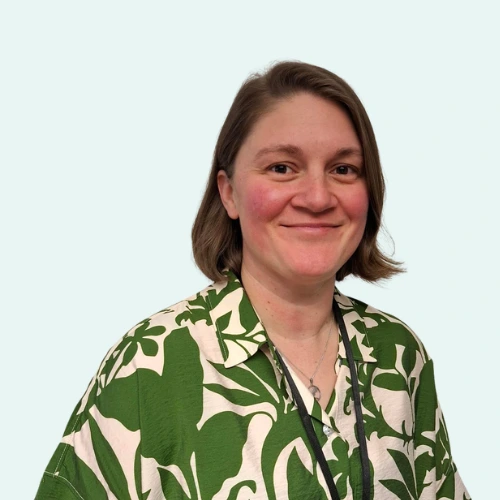
Evie Andres
Workforce Delivery Manager
Evie is an occupational therapist and has worked in adult mental health (in-patient and community) as well as child and adolescent mental health. She has skills in several therapeutic modalities, and has a specific interest in DBT and working with taiohi and tamariki experiencing OCD. Her interest in driving innovation and workforce development has resulted in her taking on clinical education roles and driving the establishment of a primary care liaison team.
Evie has led a large Youth Access and Choice service across three districts, providing a collaborative clinical and peer support model to rangatahi aged 12-24.
She has a BHSc – Occupational Therapy, PG Dip Mental Health and Addictions.
“I am incredibly passionate about the infant, child and adolescent mental health and addictions space. I feel privileged to have an opportunity to support kaimahi working at the frontline in a way that brings together evidence and culturally informed practice, lived experience, and an understanding of the practical realities of working in the sector.”
.webp)
Shannon Calvert
NEDC Lived Experience Lead
Shannon Calvert is a lived experience advisor and educator and the author of the NEDC Holding Hope discussion paper, guide and workbook series. As NEDC Lived Experience Lead, she provides national leadership across eating disorder policy, workforce development, education and system reform.
Shannon has extensive experience working across government, non-government, clinical, research and community settings around strengthening lived experience leadership and collaborative practice.
Drawing on her own recovery from a long standing eating disorder, together with her work across mental health and palliative care, she advocates for care grounded in dignity, choice, compassion and quality of life.
Her work focuses on translating lived experience knowledge and ethical principles into practical resources that help individuals, whānau and other supporters, workforces and systems navigate complexity and uncertainty more collaboratively.
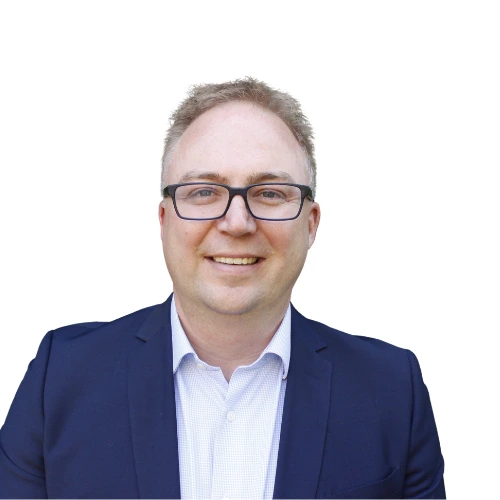
Professor Simon Wilksch
Clinic director, psychologist and researcher
Professor Simon Wilksch is a Clinic Director, psychologist, and researcher who is driven to reduce the level of poor mental health in youth, and all the negative flow-on impacts for parents, families and society. He runs an eating disorder treatment service in Adelaide, South Australia and was involved in advocacy work that resulted in Australia becoming the first country to pass legislation delaying social media access until the age of 16 years. Leading a group of 120 other concerned clinicians, researchers and experts, they called not only for the legislation, but for vastly improved access to evidence-based media literacy mental health programs for students,schools and parents.
Lynne Cranston
Counsellor, clinical supervisor and IDT teacher
Lynne has ten years’ experience supporting tamariki, taiohi and whānau through community counselling, schools, family violence services and private practice.
Her work includes trauma, anxiety, depression, relationships and emotional and behavioural concerns, alongside ACC Sensitive Claims counselling.
An accredited IDT teacher, she has taught the modality for five years.
Te Kani
Programme manager | HUIA Project lead | Pūmau
With a graphic design background, Te Kani works with writers, communities and clients to create grounded products and content that reflect the aspirations of the Māori world in a way that can be shared with everyone.
In leading Pūmau, Te Kani brings together educators, health practitioners and whānau to create resources that feel natural to engage with and truly representative of the audience they serve.
Miles Usherwood (he/him)
Training & Outreach Coordinator, Gender Dynamix
Miles has been working at Gender Dynamix, a mental health service for transgender, gender diverse, takatāpui, or gender questioning people within the Bay of Plenty region for 18 months. He joined as a peer support specialist and transitioned into his current role recently.
As a peer support specialist, Miles has met with clients to support them through their transitions and wellbeing journeys. He has worked with schools, workplaces, medical practitioners, and whānau to create safe, supportive environments for clients to thrive at every stage of their journey. He also has almost a decade of lived experience within the TGD (transgender, gender-diverse) community and received an international peer support qualification in 2019.
Johny Stoof
e-Learning Designer
Johny is responsible for creating practical, engaging learning experiences and courses for people working in infant, child, and youth mental health and addiction services; collaborating with principal advisors, workforce delivery leads, and subject matter experts.
Johny has worked in a range of educational resource design roles. Most recently, he worked as a designer developing Te Reo Māori programmes for Te Wānanga o Aotearoa.
He holds a Bachelor of Arts majoring in Education from Massey University, a certificate in teaching English to speakers of other languages, and a Graduate Diploma in Graphic Design from Media Design School. He has also completed levels 1-4 of reo Māori language through Te Wānanga o Aotearoa.
"I’ve always been interested in both education and mental health, so this role brings together two areas that matter to me. It’s a wonderful opportunity to support practitioners working in the field and, through their work, the young people they engage with.”
Ashleigh Bunning (she/her)
Analyst, High Alert (Drug Information and Alerts Aotearoa New Zealand)
Ashleigh has a background in pharmacology and other health research and is an analyst at High Alert. Her current role involves understanding drug trends and sharing drug harm reduction advice.
Ashleigh holds a Master of Science degree.
Jen Vermeulen (she/her)
Supervisor & Online Channels Manager, High Alert (Drug Information and Alerts Aotearoa)
Jen has a background in communications and digital marketing and is the supervisor and online channels manager at High Alert. Her current role involves managing the drug early warning system and sharing drug harm reduction advice with the public.
Jen holds a Master of Communications degree.
Liejse Donkin
Insights & Impact Lead | Clinical Advisor, Te Aho
Liejse is a health and clinical psychologist and has worked across many sectors for over 20 years. At Te Aho, her mahi sits across training, supervision, and insights and impact. She bring with her academic knowledge from her role as an associate professor at AUT, clinical experience, and her own lived experience of being bereaved by suicide.

Ben Te Maro
Communications & Engagement Lead | Clinical Advisor Te Pūwaha & Te Oranga Tonutanga
Ben is a registered occupational therapist with a longstanding career in mental health and suicide prevention, specifically working alongside tamariki, taiohi, and their whānau. At Te Aho, Been splits his time between his clinical advisor and comms and engagement roles.
Mau Te Rangimarie Clark (ia)
Waikato-Tainui, Ngāti Pikiao, Ngāti Kahungunu ki te Wairoa | Research Fellow and Chair of Te Tira Wānanga Māuiui Kai, Department of Psychological Medicine – University of Otago
Mau is currently engaged in several research projects, from infant mental health to mate wareware | dementia. These projects utilise kaupapa Māori methodologies to validate the experiences of the Indigenous peoples of Aotearoa New Zealand, in order to identify the role and impact of systemic and organisational structures on Māori health. He has a special interest in the emerging research field of Indigenous people’s experience of eating disorders and the impact of ongoing colonisation on the diagnosis and treatment of eating disorders.
Mau holds a Master of Health Science in mental health. He is a PhD candidate exploring the role of rongoā Māori in treatment for Māori experiencing ngā māuiui kai.
Karis Irwin-Gordon (she/her)
Te Aitanga a Mahaki | Research Assistant, University of Auckland
Karis recently graduated as a dietitian from Massey University. She currently works across two research projects at the University of Auckland: one developing nutrition guidelines for tamariki with cancer, and the other supporting a mental health trial for irritable bowel syndrome (IBS). She is also currently in the process of applying for a PhD focusing on mental health, nutrition, and young adults using digital health services. Karis has past experience developing nutrition content for a mental health app for taiohi.
Olivia Young
Te Arawa, Ngāti Awa | Research Assistant, University of Auckland
Olivia recently completed her Master of Health Science in nutrition and dietetics through the University of Auckland and is currently applying for her PhD. Her research interests concern the intersection between kai and mental wellbeing for taiohi, with a particular focus on relationships with kai. Olivia is passionate about understanding how these relationships shape hauora and is excited to contribute to the wider conversation around mental wellbeing.
Dr Amber Callard (she/her)
Ngāti Maniapoto | Clinical Psychologist, Haeata Psychology
Dr Amber Callard has over a decade of experience as a kaimātai hauora hinengaro | clinical psychologist working with individuals and their whānau in overcoming ngā mauiui kai. She previously worked for Te Whatu Ora and from 2016 to 2021 was employed as an eating disorder liaison for taiohi across the Bay of Plenty region. Amber currently works in private practice – since 2021, she has been contracting to the to the New Zealand Eating Disorder Clinical (NZEDC).
Amber has been a member of Te Tira Wānanga Mauiui Kai since 2023.

Shaun Garea
Lecturer & lab director, Massey University School of Psychology
Shaun’s work focuses on the intersection of psychology and gaming. His published work investigates video games, and is concerned with gambling and loot boxes, OCD and hoarding, cryptocurrency, cooperation, and aggression.
Shaun is director of the gaming research and investigation laboratory (GRAIL), where he focuses on tabletop gaming (mainly roleplaying games) and how in-person play around a table can provide wellbeing benefits for those involved.

Naomi Miller
Workforce Delivery Lead (she/her)
Naomi is currently overseeing the Choice and Partnership Approach (CAPA) and Stocktake projects. This involves engaging with the sector to support the implementation of CAPA and to gather data that allows for analysis and understanding of service and workforce capacity.
Naomi has worked across a range of service settings, including adult addictions, primary and secondary CAMHs, eating disorders, and ACC sensitive claims. Her non-clinical work has spanned the education and systems space, including as a professional advisor for the occupational therapy board of New Zealand (OTBNZ).
Naomi holds a Bachelor of Health Science in Occupational Therapy and a Postgraduate Certificate in Mental Health and Addictions from Auckland University of Technology (AUT).
“I understand first-hand the important position our ICAMHs workforce hold in ensuring that young people and whānau receive empowering, compassionate, and quality care, in what is often their first contact with mental health services. Equally, I recognise the place of services and systems in providing environments within which clinicians and kaimahi can do their best work. I am excited to have the opportunity to contribute within this space.”

Jack Mutch
Peer Support Worker, Whakaata Tohu Tohu | Mirror Services
Jack has been working as a peer support worker in the youth/AOD sector for the past 5 years. He brings lived experience as a child of parents with mental illness and/or addiction (COPMIA), and substance use to his mahi for the consumer, peer support and lived experience (CPSLE) workforce.
Jack is an accredited addiction peer support worker.

Cuba Rust (she/her)
Peer Practice Lead – Emergency Department, Life Matters Suicide Prevention Trust
Cuba works as a peer practice lead for the emergency department peer support pilot in Ōtepoti | Dunedin. Her lived experience growing up with a parent going through harm through the mental health system, and desire to facilitate structural change across the sector, shapes the work she does.
.webp)
Sarah Tomes
Family/Whānau Partnership Lead
As Family/Whānau Partnership Lead, Sarah works across the mental health and addiction sector to implement the Supporting Parents, Healthy Children (SPHC) guidelines, build family-inclusive practice, strengthen partnerships, and grow staff capability with the needs of parents, children, and whānau at the centre of everything. Woven through all of this, Sarah ensures whānau lived experience perspective is visible and active across the broader work programme at Whāraurau.
Sarah started her career in finance, before transitioning into lived experience leadership across Specialist Mental Health Services (SMHS) in Waitaha | Canterbury region. She has worked across workforce development, clinical governance, service design, community and NGO engagement, and national governance roles. Driven by a passion for breaking down silos and creating generational change, Sarah has seen first hand that when sectors, services, and communities work together, the impact for whānau goes further and lasts longer.
Sarah holds a Level 5 certificate in Foundations for Lived Experience Based Practice from Auckland University of Technology and a Diploma in Business from Ara Institute of Technology. She has also completed the He Puāwai Manukura peer and lived experience leadership programme.
‘’This work is personal. I grew up in a family shaped by mental illness and loss, at a time when whānau didn’t have the language, the support, or a system that knew how to include them. When I became a parent, I understood it all over again from a different angle."
‘’Everything I do is grounded in the belief that when we bring whānau into the room, outcomes change. This role is about making that not just possible, but an expected part of care. The child is why. The family is how.’’
Wade Stent
Consultant Clinical Psychologist, Te Whatu Ora
Wade is a consultant clinical psychologist who works for Te Whatu Ora in perinatal mental health. He has a particular interest in complex presentations, including the presence of neurodivergence alongside mental health. This has accompanied his strong focus in better understanding neurodivergence in specialist mental health services and how this population can be better served. Wade has family who are neurodivergent, both formally diagnosed and self-identifying, and this has added another layer of understanding to his work.
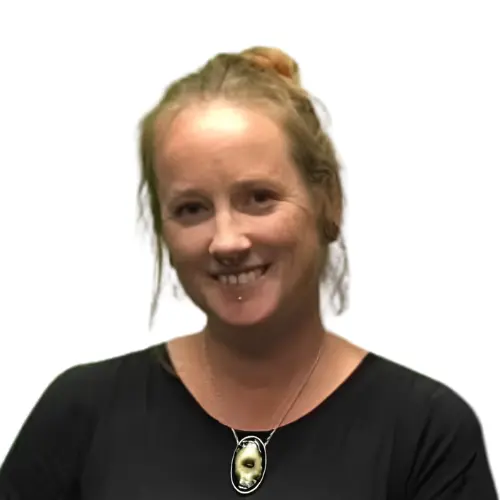
Serra Clark (she/her)
Lived Experience Educator – World of difference, Department of Psychological Medicine University of Otago
Serra is a registered social worker who works in mental health and adult education. She draws on her lived experiences of mental health, perinatal distress, stillbirth, and recovery, to challenge discrimination and advocate for trauma-informed care.
Serra holds a Bachelor of Social Work with Honours and a Postgraduate Diploma in Social Work.
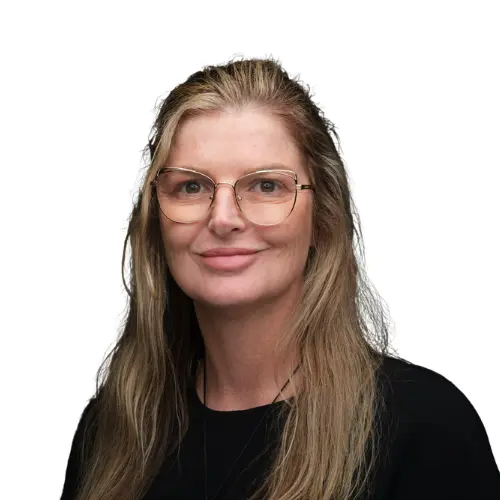
Suzette Jackson (she/her)
Programme Lead & Lecturer – Addictions & Lived Experience, Auckland University of Technology | Te Wānanga Aronui o Tāmaki Makaurau
Suzette is Pākeha and Māori (Te Ātiawa) and recently completed her doctorate exploring the experience of mothers in an integrated residential addiction treatment and parenting programme in Aotearoa | New Zealand. She is a registered social worker and drug and alcohol practitioner, and is a community researcher at Higher Ground, a residential drug treatment provider in Tāmaki Makaurau. She lectures across the addiction and lived experience programmes at Auckland University of Technology.

Benjamin Phillips
Youth Consumer Advisor
Benjamin’s role is to ensure that the voices, experiences, and perspectives of young people directly shape mental health and addiction services. He advocates for youth-centred practices, collaborates on projects to make sure they’re relevant and accessible, and helps bridge the gap between young people and services to drive positive, systemic change.
Ben has spent the past decade working as a professional dancer and dance teacher, a role that has allowed him to connect with a variety of individuals, build supportive communities, and foster self-expression. He has a Bachelor of Arts (B.A.) in Psychology and Criminology from the University of Auckland. This combination of creative youth mentorship and psychological science informs his current approach to advocacy and youth advisory work.
“This role is deeply important to me because it offers a meaningful platform to build the networks and cross-sector connections needed to foster sustainable, systemic improvements. I am motivated by the opportunity to bring critical, analytical thinking to youth health spaces, and to advocate for equitable, community-focused services. Ultimately, I want to help shape accessible and effective systems that prioritise the holistic well-being of everyday people, ensuring all young individuals have the foundation to live fulfilling and stable lives.”
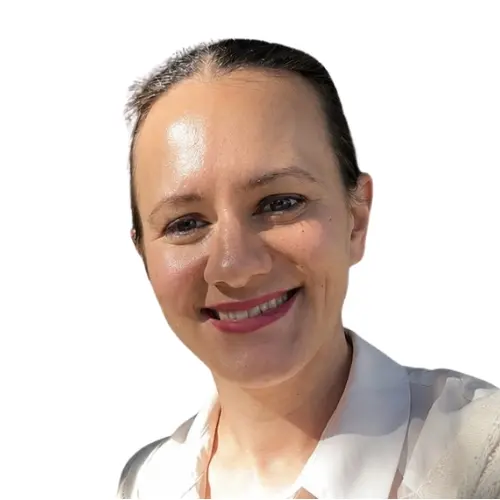
Meryl Fraser (she/her/ia)
Ngāti Manawa, Tūhoe, Ngāpuhi | Principal advisor – Māori lived experience, Te Hiringa Mahara | Mental Health and Wellbeing Commission
Meryl has worked across the public health sector to improve equity and outcomes for Māori and tāngata whaiora across Aotearoa. Her current role is grounded in her own lived experience of mental distress – she has lived experience of ngā māuiui kai, eating disorder service use, and recovery.
Meryl is a member of Te Tira Wānanga Māuiui Kai. Sheholds a Bachelor of Science degree and a Postgraduate Diploma in Public Health.
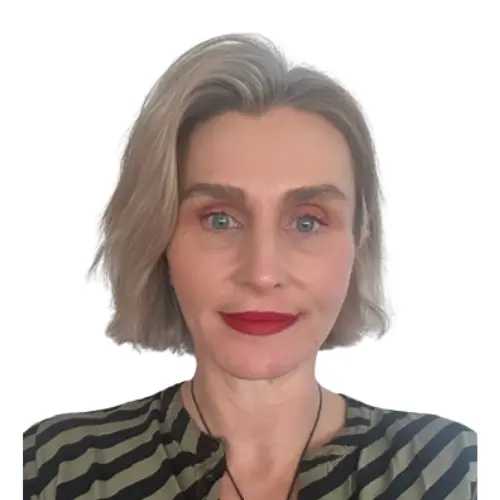
Joanna Price (she/her)
Ngāti Rangatihi | Principal Clinical Advisor – Mental Health, Addiction and Suicide Prevention, Manatū Hauora | Ministry of Health
Joanna is a registered nurse who has worked across a range of sub-specialities within mental health nursing. She is deeply passionate about leadership and practice, including relational approaches and the promotion of human rights. Jo has held various clinical and leadership roles and as a lifelong learner she is driven by curiosity.
Jo holds a Master of Nursing and two additional postgraduate qualifications in human rights and leading change for good.
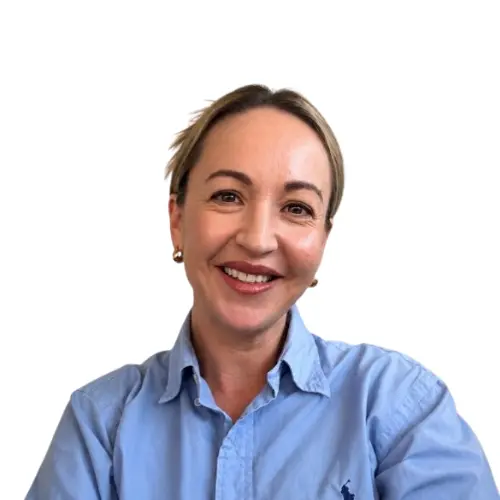
Frances Russell (she/her)
Clinical Lead | Kaihaumanu Matua, Touchgrass Youth Service
Frances has a background working in child and adolescent mental health. She has led complex mental health projects in the health sector and provided clinical service leadership in the NGO sector. Frances is currently working as the clinical lead | kaihaumanu matua for Touchgrass, a specialty youth service for screen addiction, gaming, and gambling.
Frances is a New Zealand registered Occupational Therapist and hold a postgraduate degree in child and adolescent mental health.

Anna Ashton (she/her)
Lived Experience Advisor, Te Whatu Ora
Anna is a Lived Experience Advisor, specialising in youth, digital harm reduction, trauma-informed care, and crisis responding. She has worked alongside Te Whatu Ora, Whāraurau, Te Pou, Mental Health and Wellbeing Commission | Te Hiringa Mahara, Changing Minds, NZEIPS, MHAPS, Comcare, Youthline, and the Thompson Institute at UniSC.
Anna holds a Bachelor of Arts (Hons) in Psychology.
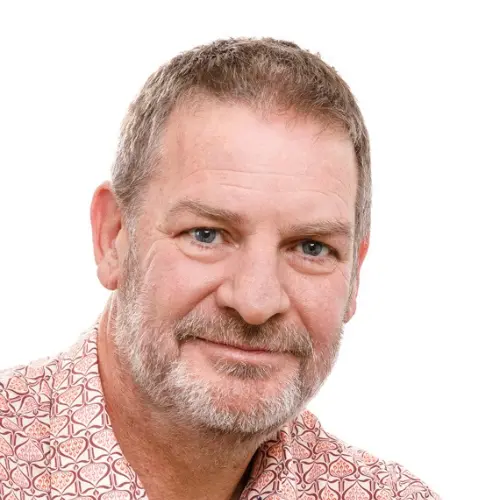
Richard Woodcock
National Manager – Data, Information and Research, Te Pou
Richard Woodcock is a qualified social worker with more than 25 years’ experience across mental health and addiction settings in Aotearoa | New Zealand and overseas. He has held clinical leadership and management roles in district health board and non-government organisations. In his current role, Richard leads work to ensure Te Pou’s programmes are grounded in evidence, and that mental health and addiction information is accessible to diverse stakeholder groups, supporting informed service design and workforce planning.
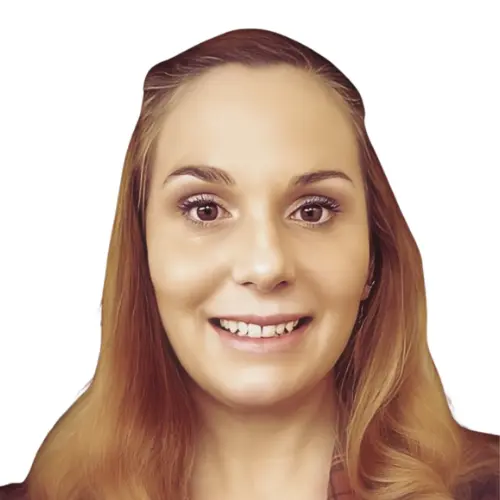
Michelle Patrick (she/her)
Quality Improvement Facilitator / Local Peer Support Coordinator / Consumer and Whānau Engagement Facilitator, Mental Health and Addiction Service – Te Whatu Ora
Michelle has over five years’ experience working in healthcare, with a strong focus on quality improvement, mental health and addiction services, and lived experience leadership. Through her current roles, she continues to support continuous improvement, consumer and whānau partnerships, and promotes the development and integration of peer support within clinical services.
Michelle is passionate about improving the quality and safety of care while ensuring the voices of people with lived and living experience remain central to service design and delivery.
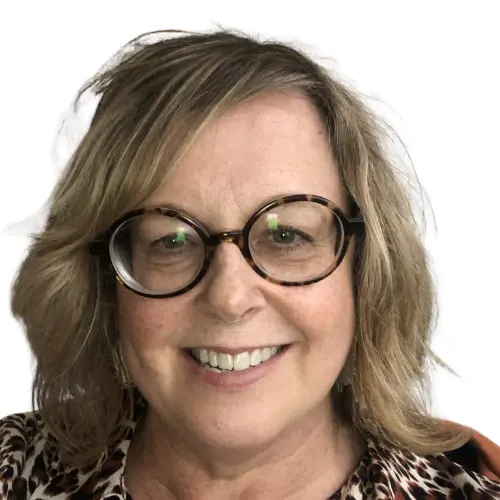
Dr Adele Parkinson
Senior Academic, Social Work, Te Waka Toiora | Faculty of Health, Science, and Sustainability – Ara Institute of Canterbury
Adele’s research centres on supporting whānau and families who experience parent mental health and/or addiction challenges. Her published work, including research in the British Journal of Social Work, examines peer support as a strategy to reduce self-stigma for Children of Parents with a Mental Illness (COPMI), drawing on socio-ecological frameworks to understand resilience and identity in these young people.
She is currently working on an article which considersthe importance of relationship-based practice when working with children andyoung people. Adele is an active member of the Prato International Parent andChild Mental Health Research Collaborative and leads a research collaborationwhich is exploring the need for epistemic justice for indigenous peoples in thefield and the need for critical allyship. Adele is also working with otherresearchers to establish a research collaboration in Aotearoa | New Zealand so thatmuch of the important work happening in this area is captured in theliterature.
Kevin Harper
CEO, Changing Minds
Kevin and the Changing Minds team help develop lived experience solutions for system change and wellbeing outcomes. Their work is community-lead, built on lived experience values, knowledge, and practices. They provide expertise in lived experience engagement, insights, and education.
Kevin joined the Changing Minds whānau in May 2022. He brings experience from the public sector and is widely regarded as a champion of people-centred approaches.
Bradley Mutch (he/him)
Youth mental health advocate
Bradley Mutch is a 20-year-old mental health advocate from Ōtautahi | Christchurch, and founder of Mental Health Matters. His mission and vision is to raise awareness of mental health by sharing impactful stories and providing resources to reduce the stigma around mental health and to show that it is okay to be vulnerable. Bradley collaborates with local artists, and has created an award-winning documentary.
Jo Heap
Clinical Nurse Educator, Te Whatu Ora Whanganui
Jo has 35+ years’ experience working in infant, child, adolescent, and family/whānau community health and education in New Zealand and has presented overseas and published articles relating to child, adolescent, and family/whānau health. She returned to Te Whatu Ora Whanganui from Australia in 2016 and worked for four and half years for Child & Young People’s Mental Health, Central Coast Local Health District as a Children of Parents with Mental Illness (COPMI) Parenting Coordinator. She is currently working as a clinical nurse educator – Supporting Parents Healthy Children (SPHC) and in a Maternal, Infant, Child, and Adolescent Mental Health and Addiction Service (MICAMHAS) clinician role with Te Whatu Ora Whanganui.
Dr Snita Ahir-Knight
Lecturer | Programme lead – Department of Psychological Medicine, University of Otago
Snita is a philosopher, social worker, and child and adolescent therapist whose research focuses on mental health, ethics, and the parenting relationship. Her recent work includes a 2026 paper published in Australasian Psychiatry about rethinking harm for the children of parents living with mental health and addiction challenges, and the development of a reflective conversation resource to support kaimahi walking alongside these families. Snita brings expertise from practice, research, and lived experience to her mahi.
George Furstenburg (he/him)
Consultant Clinical Psychologist | Professional Advisor Psychology, Te Whatu Ora Lakes
George Furstenberg is a consultant clinical psychologist at Te Whatu Ora Lakes, where he serves as the professional lead for psychology, and works clinically within the CAMHs team. His work focuses on improving mental health service delivery, with a particular interest in using practice-generated data to inform quality improvement and clinical decision-making.
George is a registered clinical psychologist.
Hilary Sharp
Senior Business Analyst, Ministry of Health
Hilary has extensive experience working with mental health and addiction data at the Ministry of Health. She started her career working in PRIMHD data management, focusing on data quality and collaboration with districts and NGOs. She now specialises in analysis and reporting, with a focus on mental health and addiction monitoring and insights.
Dr John Crawshaw
Director, Mental Health and Addiction, Ministry of Health – Manatū Hauora
Dr John Crawshaw is the Director of Mental Health and Addiction, Ministry of Health. He holds several statutory and regulatory responsibilities in the Mental Health and Addiction area. He has been Director of Mental Health under the Mental Health (Compulsory Assessment and Treatment) Act 1992 since 2011 and Director of Addiction Services under the Substance Addiction (Compulsory Assessment and Treatment) Act 2017 since 2017. He also holds other statutory and delegated regulatory responsibilities under the Misuse of Drugs Act and the Intellectual Disability (Compulsory Care and Rehabilitation) Act, under the delegated authority of the Director-General.
Dr Crawshaw’s background is in forensic psychiatry and psychotherapy. He is a highly accomplished forensic psychiatrist with over 40 years of experience spanning clinical, academic, and statutory leadership across New Zealand. He has also championed and sponsored Supporting Parents Health Children (SPHC), with a focus on mitigating the risk of children developing mental health or substance use challenges associated with parental vulnerabilities.
Appointed as the Ministry of Health’s Director of Mental Health in 2011, he utilised his statutory authority to fundamentally transition the country’s mental health sector from isolating adult patients to actively supporting the entire whānau.
Dr Crawshaw holds a Bachelor of Medicine and Bachelor of Surgery (MBChB) from the University of Otago. He is a Fellow of the Royal Australian & New Zealand College of Psychiatrists (FRANZCP).
Bea Chadda (she/her)
Board Member, JourneyED Eating Disorder Support Aotearoa | Disordered Eating Community Team Lead, Stepping Stone Trust
Bea Chadda is a peer support specialist, working at Stepping Stone Trust in Ōtautahi and as a Board Member at JourneyED Eating Disorder Support Aotearoa. She created the Disorder Eating Community Team (DECT), having noticed gaps in community support for those experiencing disordered eating. She built DECT using the International Peer Support (IPS) framework whilst working closely with the clinical team at the South Island Eating Disorder Service to understand the benefits of peer support in eating disorder recovery. In developing this peer service, Bea has been able to support tāngata whaiora on their journey of recovery using IPS principles and a trauma-informed lens which focuses on a mutual relationship and lived experiences.
Bea is International Peer Support (IPS) trained.
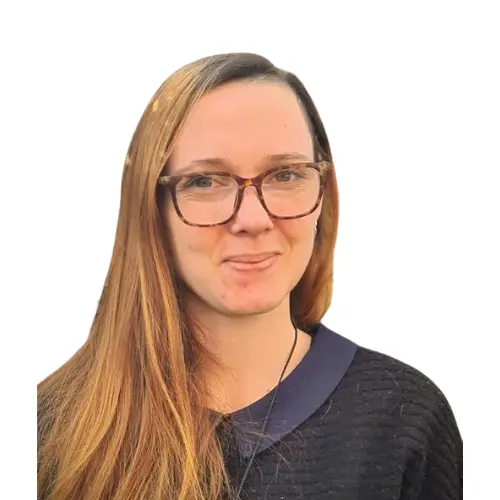
Meg Vardy (she/her)
Chair & Founder, JourneyED Eating Disorder Support Aotearoa | Service Lead – Peer Practice, Life Matters Suicide Prevention Trust
Dr Meg Vardy is Chair & Founder of JourneyED EatingDisorder Support Aotearoa, an International Peer Supporter (IPS), and a researcher. After spending four years leading a study of psilocybin-assisted therapy for anorexia at Imperial College London, Meg stepped away from her academic work to focus instead on applying her skills and lived experience in the non-profit sector. She now works at Life Matters Suicide Prevention Trust, and in 2024founded JourneyED Eating Disorder Support Aotearoa.
Alongside this, Meg led the development of the Eating Disorders | issues | Youth peer support guidelines with Whāraurau and has acted as a lived experience research consultant with the Eating Disorder Association of New Zealand (EDANZ) and the University of Sydney. More recently, Meg has taken on roles as a lived experience advisor for the Whāraurau eating disorder External Advisory Group (EAG), and the Australia New Zealand Academy of Eating Disorders (ANZAED).
Meg holds a PhD in Psychology from the University of Auckland and is International Peer Support (IPS) trained.
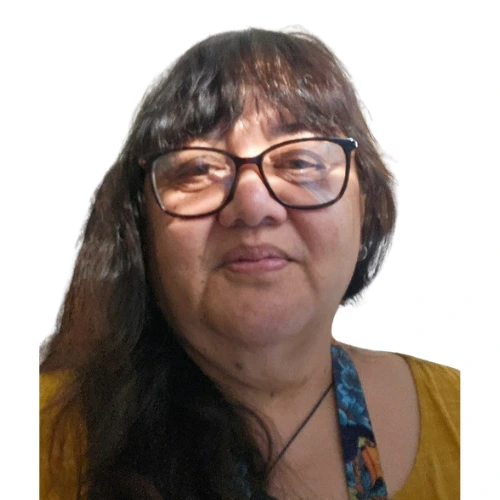
Ruahine Carlson
Pukenga Atawhai, Te Whatu Ora – Waitaha Specialist Mental Health Services
Ruahine has worked in adult inpatients (extended care),and in inpatient, outpatient, and forensics settings with intellectually disabled adults. She is currently working in a community outreach capacity in adult community services.
She is privileged to care for and work holistically with our Māori tāngata whaiora and their whānau, considering the Te Whare Tapa Wha health model to be at the core of her mahi.
Ruahine attended both Workshops 1 and 2 of this series as a participant and is humbled to be speaking in Workshop 3. She acknowledges the cultural mahi explored in previous workshops, and the sincere way in which it was delivered.

Dr James Marshall (he/him)
Consultant Addiction and Perinatal Psychiatrist, Te Whatu Ora – Te Matau a Māui Hawke’s Bay
James is a consultant psychiatrist working in perinatal mental health and addictions in the Hawke’s Bay region. He previously worked in general adult and addiction psychiatry for MidCentral and Taranaki districts.
He trained in Canterbury and had the opportunity to work within a perinatal opioid substitution treatment (OST) service that utilised a “one stop shop” model of care. This team included mental health and addictions, obstetrics, paediatrics/neonatology, midwifery, and social work to ensure hapu māmā accessed care in a supportive environment focusing on engagement and harm reduction.

Fleur Kelsey (they/them)
Midwife / Senior Lecturer / Kaihāpai Kahukura (LGBTQIA+ Liason), Otago Polytechnic | Associate Investigator, Warming the Whare
Fleur’s clinical practice has spanned rural and hospital-based midwifery with a focus on working with diverse whānau; particularly those with mental health needs, trauma histories, and family and complex social challenges. Fleur has a passion for inclusive practice, health system change, decolonisation, trauma-informed care, and reproductive justice. They have previously worked in the public health, cancer screening, and mental health sectors across a variety of roles.

Dr Mark Dangerfield, PhD
Clinical Psychologist and Psychotherapist | Director of University Institute of Mental Health Vidal & Barraquer, Ramon Llull University, Barcelona
Mark has worked for more than 25 years within the public mental health system in Barcelona, focusing on adolescents presenting with high levels of clinical complexity and relational trauma.
At the Vidal & Barraquer Foundation, he led the design and implementation of the ECID (Home-Based Clinical Intervention Team), a pioneering service developed within the public mental health network to provide intensive outreach support to adolescents who struggle to engage with conventional services.
His clinical and training work is grounded in Adaptive Mentalisation-Based Integrative Treatment (AMBIT) and Mentalisation Based Treatment for Adolescents (MBT-A), for which he is an accredited trainer and supervisor through the Anna Freud Centre in London.

Kaia Potaka-Osborne
Systems Innovator, Te Oranganui
Kaia contributes to indigenous, whānau-centred systems change through the Mokopuna Ora initiative. Her work focuses on integrated service delivery, reflective practice, and supporting kaupapa that enhance outcomes for whānau and tamariki across the rohe.
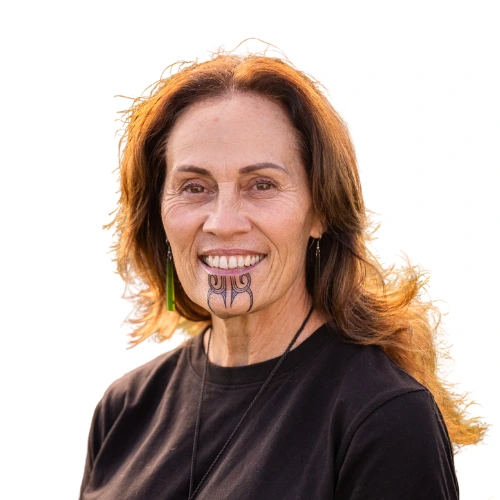
Kylee Osborne
Lead Systems Innovator, Te Oranganui
Kylee is Lead Systems Innovator with Healthy Families, Te Oranganui, where she is focused on strengthening child health through kaupapa Māori, whānau-centred design. Her work Is grounded in mātauranga Māori and centres the voices and lived experiences of māmā and whānau to shape more connected systems of care. She has led the development of Te Whare Piranga, a community-based model that brings clinicians and kaimahi together to walk alongside whānau and improve wellbeing outcomes.
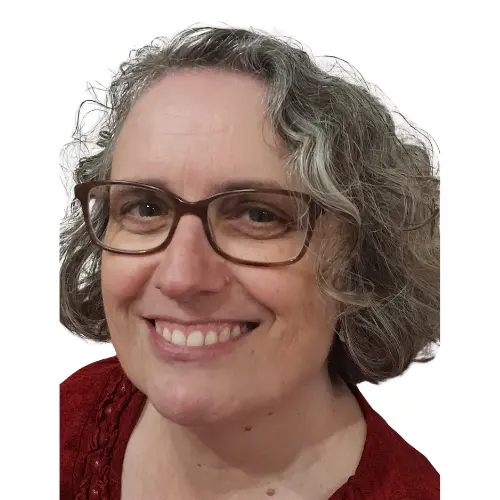
Heather Elmes
Consultant Clinical Psychologist, Perinatal mental health service – Te Whanganui a-Tara | Wellington
Heather has worked for the Perinatal mental health service in Te Whanganui a-Tara | Wellington since its beginning in 1998. She is deeply grateful to her early team leader, Kitty Marshall, who enabled Heather and her team to complete training in understanding and supporting the parent-baby relationship; and to many wise mentors, including Dr Denise Guy, Seonaigh Stevens and Cindy Smith. Growing from these relationships, Heather has been able to pass her knowledge and relational learnings on to others, doing so across her therapy, supervision, teaching, and leadership.

Miriam Swanson
Pou Tiaki Taiohi – Child and Youth Director, Pathways | Real
Miriam is a Consultant Clinical Psychologist and Child and Youth Director at Pathways | Real – part of the Wise Group – one of Aotearoa’s largest mental health NGOs. Building on experience supporting taiohi and whānau specialist services, she helps advance Pathways | Real’s long-standing commitment to person-centred, trauma-informed care.
Real has recently implemented the ARC (Attachment, Regulation and Competency) framework to strengthen evidence-based support where trauma has occurred and is now working to weave a cultural narrative through ARC – enhancing connection and grounding the approach firmly in Aotearoa.
Dr Joanna McClintock
President, New Zealand Society for the Study of Diabetes (NZSSD)
Dr Joanna (Jo) McClintock is a consultant clinical psychologist and has worked at Te Whatu Ora Waikato in Aotearoa for over 20 years, covering paediatric and young adult diabetes. She also works for Rura lChild and Adolescent Mental Health Services and is co-lead for ICAMHs psychology in the Waikato region.
Jo is currently the President for NZSSD and was co-lead of the NZSSD National Guidance for Diabetes, Body Satisfaction, and Eating Behaviours.
Jane George (she/her/ia)
Project manager, Whāraurau
Jane is responsible for providing stewardship for the Supporting Parents, Healthy Children (SPHC) initiative, with a specific focus on the SPHC guideline review.
Jane has worked in physical, mental, and rehabilitative health settings in Aotearoa and the UK. She is a registered social worker, clinical supervisor, and lecturer with extensive health leadership experience.
Jane holds a Doctor of Health Science (DHSc), her research focused on the complexities of allied health workforces in rural and remote health settings. In addition, she holds a Bachelor of Arts in Psychology, Bachelor of Social Work, Master of Social welfare, and a Post-graduate Diploma in Health Management.
Kahurangi Fergusson-Tibble
Waha Tohutohu Matua – Principal Advisor Māori, Te Pou
Kahurangi has a background in mental health, addiction, and lived experience as a person living with visual impairment. As principal advisor, Māori, he brings his skills, talents, and networks to Te Pou, to ultimately improve outcomes for Māori within the health sector.
.webp)
Tara Malone (she/her)
Principal Nursing Lecturer, Western Institute of Technology at Taranaki (WITT) | Te Kura Matatini o Taranaki
Tara has a special interest in mental health and addictions, trauma-informed practice, and culturally safe care. In addition to her role as principal nursing lecturer, she is also a clinical lecturer, clinical supervisor, and trauma informed coach.
Tara is a research officer at WITT and is currently leading phase 1 of a research project with the aim of developing a trauma-informed tertiary education institution. She co-wrote and currently delivers an NZQA level 7 micro-credential in trauma-informed practice.
Tanya Ewart
Charge Nurse Manager, Hillmorton Hospital – Canterbury District Health Board (CDHB)
Tanya has been nursing in mental health for 25 years, working mostly in adult acute inpatient or adult rehabilitation. She is part of a trauma-informed committee for specialist mental health services (SMHS), working on implementing trauma-informed care in practice at Hillmorton Hospital.
Tanya also teaches and advocates on behalf of EquallyWell and people with lived experience. She owes her mahi to the teaching and wisdom of her late friend Linda Smith, a committed voice for those with lived experience.
Bronwyn Sweeney (she/her)
Clinical Psychologist, Tend Psychology
Bronwyn is a registered clinical psychologist working in the areas of sleep, and reproductive and perinatal mental health. She has a research background in sleep and circadian science, particularly sleep patterns in perinatal mothers and infants.
Bronwyn holds a Master of Clinical Psychology and a PhD in Public Health.

Melanie Saxton (she/her)
Programme Lead, New Zealand Drug Foundation
Melanie has been with the New Zealand Drug Foundation since 2017 and currently works as programme lead. Her role spans across several different areas, including acute drug harm, volatile substance use and harm, the Living Sober initiative, and the development of harm reduction and youth-focused resources.
Melanie brings over a decade of experience in the addictions sector. She began her career at Turning Point Scotland, working as an office administrator at a busy recovery hub in Edinburgh, gaining a strong foundation in frontline addictions service environments.
She also holds a degree in communications, which underpins her approach to developing clear, accessible resources.
Kerri Butler
Board member
Ngāpuhi, Ngāti Porou | Consultant/Director, Take Notice
Kerri is the founder of Take Notice established in 2014 as a Māori lived experience led organisation.
Kerri holds a Master’s in Public Health and has served in influential roles on national boards and advisory groups, including as Co-Chair of the Mental Health Act Advisory Group and the Health and Disability Standards Review Committee.
Energetic and passionate, she approaches her work with a deep commitment to equity, social justice, and the transformative power of lived experience.
Andy Towers
Board member
Nō Ingarangi nō Airani hoki ōku tīpuna. I tae mai ōku tīpuna ki Aotearoa i te tau rautau tekau mā iwa. I whānau mai au i Whanganui, I tipu ahau i raro i te maunga Taranaki. I tipu ahau i te taha o te awa o Patea. I tipu ake au i Patea. Nō reira, ko Aotearoa tōku whenua tipu. Ko Andy Towers tōku ingoa. Kei Te Papaeoia ahau e noho ana. Kei Te Kura Hauora Tangata Ko Te Kunenga Ki Purehuroa au e mahi ana.
Andy’s ancestors came to Aotearoa from the United Kingdom, but he grew up on the banks of the Patea river in South Taranaki. He comes from a community within which mental health and addiction issues are a lived reality.
Andy is now an Associate Professor in Health Sciences and the Co-Director of the Mental Health and Addiction Practitioner Training Programme at Massey University. He is also a Board Member and vocal advocate for the Speed Freaks Charitable Trust, a community-based addiction recovery charity.
Using his knowledge and expertise in mental health and addiction research and teaching, Andy works with ministries, agencies and organisations at the community, national and international level to enhance our understanding of – and policy and practice responses to – mental health and addiction issue

Reverend Uesifili Unasa
Co-Chair
Reverend, Methodist Church of New Zealand
Uesifili Unasa is of Samoan descent and is an ordained Methodist Minister and a senior leader in the national Methodist mission.
Uesifili is an ordained minister in the Methodist Church of New Zealand. He is currently the Superintendent for the Auckland Methodist Synod.
Uesifili has interest in national and international political processes having completed post-graduate studies in US foreign policies post World War II and New Zealand political history.
Janice Wilson
Board member
Janice Wilson has recently retired from her role as the inaugural Chief Executive of Te Tāhū Hauroa Health Quality and Safety Commission, a position she held for twelve years. Prior to this she worked in Manatū Hauora Ministry of Health since 1993, in senior roles in mental health and population health.
A psychiatrist by training, she has worked clinically, as well as a manager of mental health services before going to the Ministry of Health as Director of Mental Health, a statutory position. While working in the Ministry she led national policy endeavours reforming the organisation of mental health services.
Janice enjoys living in Wellington with her family including her dog and cat, and the challenges of being an active gardener within the wonderful climatic variations this city experiences.
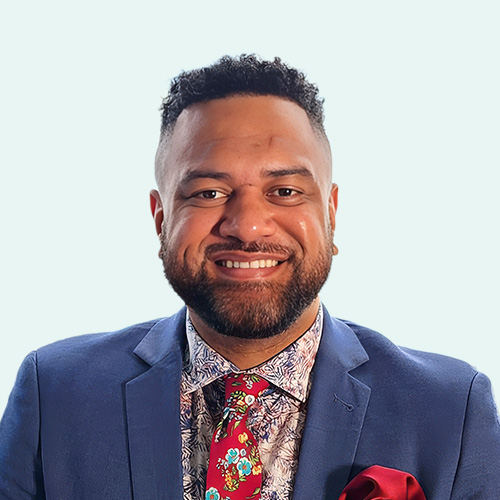
Taito Eddie Tuiavii
Board member
Principal Advisor Democracy and Engagement, Auckland Council
Wellington-born and Auckland-raised, Taito Eddie holds an orator chief title from Fagaloa in Samoa and is currently the Principal Advisor Democracy and Engagement at Auckland Council. The role provides strategic direction in trends, design and delivery of online and offline engagement including partnerships, participatory and deliberative practice.
An alumnus of the University of Auckland, Eddie brings a wealth of experience in public affairs and is a seasoned facilitator, often moderating forums locally and internationally. With a keen interest and extensive background in deliberative democracy, Eddie served a research fellowship in the United States looking at the decision-making practices of indigenous diaspora. For the past seven years he has collaborated with researchers, practitioners and elected members in more than 30 countries, in developing deliberative communities.
Eddie joins the Wise Workforce Development Board with a staunch commitment to ensuring a healthy and authentic balance is maintained in applying traditional values to contemporary problems. Outside of his professional pursuits, he devotes his time to family, church and serving his wider community.
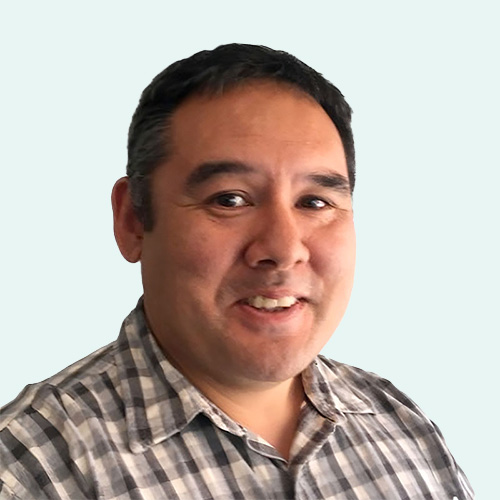
Dr David Tan
Board Member
Child and Adolescent Psychiatrist, Paediatrician (FRANZCP, FRACP, MBChB)
David Tan’s rich cultural heritage, combined with his extensive experience in New Zealand’s health sector, enables him to provide significant value to the Wise Workforce Development Board.
New Zealand-born of Samoan (Lepea, Apia and Vailoa, Savai’i) and Malaysian-Chinese descent, David’s background is in Paediatric Medicine and Child and Adolescent Psychiatry. He has worked in integrated primary care and specialist services and has a keen interest in neurodevelopment.
David is a firm believer that evidence-based education, prevention, and early intervention delivered by a Pacific workforce are drivers of prosperity and positive developmental trajectories for New Zealand’s Pasifika youth population.
Having observed Le Va’s work, encompassed with the best traditional Pasifika values in a modern (and changing) Aotearoa, David is committed to supporting Le Va to maximise Pasifika people’s success.
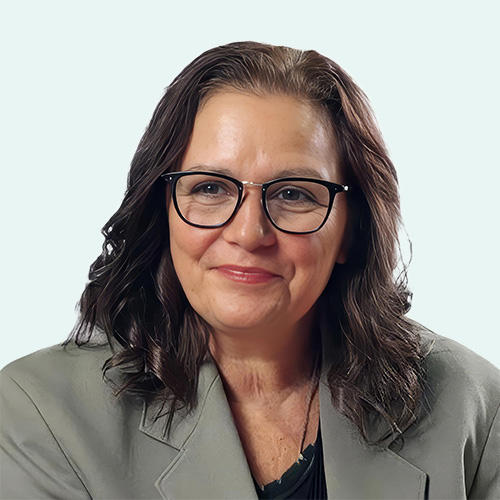
Shelley Campbell
Board Member
Ngāti Hine, Ngāti Kahu, Ngāpuhi
Chief executive – Wise Group
Previously CEO of the Waikato/Bay of Plenty Cancer Society, Shelley has held roles as chief executive at Sir Peter Blake Trust and Waikato Primary Health.
Shelley’s extensive background in the health sector saw her become a member of the New Zealand Health and Disability System Review Panel 2019-2020. She oversaw the Better Sooner More Convenient health business cases for the Minister of Health’s reforms in Auckland.
Shelley was the co-chair of the Cancer Agency (Te Aho o Te Kahu) and chaired the Minister’s National Bowel Cancer Screening Taskforce. A member of the New Zealand Order of Merit – health and disability, she is also an Honorary Captain of the Royal New Zealand Navy. In 2007 Shelley was awarded a Sir Peter Blake emerging leader award.
A strong advocate for reducing health inequities, Shelley believes the most effective health systems are those that invest in and develop community and primary health care services and supports.
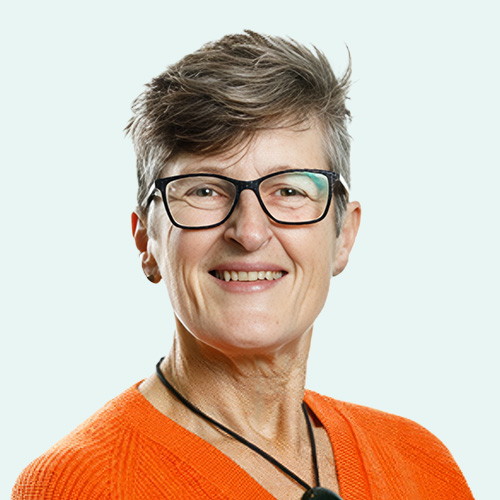
Sue Bidrose
Co-Chair
Sue is a professional company director with over a decade of governance experience, and she sits on boards spanning the commercial, Local Government, Central Government and for-purpose sectors. Her previous employment includes five years as CEO of AgResearch (a Crown Research Institute) and almost seven as CEO at Dunedin City Council. She has also been involved in sector good organisations, including as Chair of Science New Zealand, and a board member of the International City Managers Association Board and their ethics board, and has talked extensively about ethical practice in business.
Sue holds a PhD in Psychology from the University of Otago and has studied at Oxford University, the University of California and Victoria University, Wellington

Abigail McDonald (she/her)
Associate Programme Lead – KPI Programme, KPI Programme
With a background in workforce development, advisory, and advocacy roles, Abigail has a broad and well‑rounded understanding of the mental health and addiction landscape.
She supports the delivery and direction of the KPI Programme and works closely with the sector to build confidence in the use of data, all the while keeping a focus on improving outcomes for tāngata whai ora and their whānau.
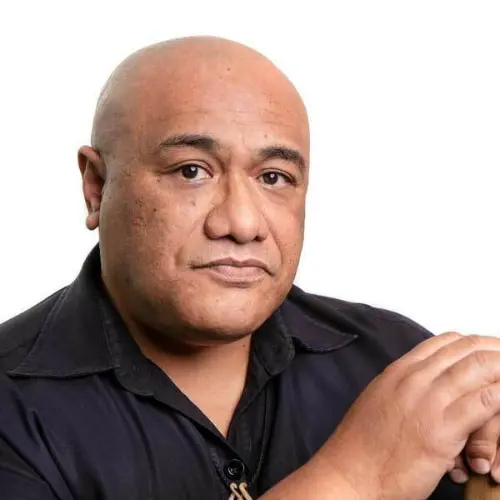
Pakilau Manase Lua
Ringa Huti Punga – Pasifika equity lead, Wise Group
Manase is a Matãpule (Talking chief or herald) for his village of Vaini in the Kingdom of Tonga, and a Pacific community leader in Aotearoa. He was officially given the title Pakilau ‘o Aotearoa by Lord Ma’afu of the Kingdom of Tonga in 2017, after completing his full-body traditional tattoo or ta tatau (lagi malofie) in 2016.
Manase is the Pasifika equity lead for the Wise Group, and leads the sustainability work and implementation of Te Toitūtanga strategy for the group. He has previously overseen and managed the diversity and inclusion programme Kanorau, and managed the disability workforce development programme for Te Pou, a Wise Group entity.
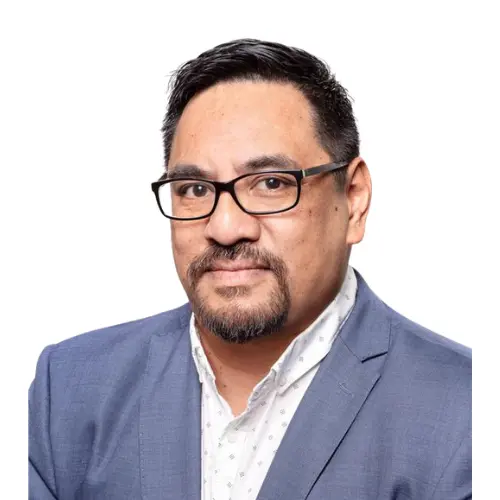
Toleafoa Mark Esekielu
Senior manager – Mental health and addiction, Le Va
Mark grew up in Auckland in a house full of family migrating from Fasito’otai and Letogo in the beautiful island of Samoa. Attending church services and living in a community filled with Pasifika people laid the foundation for his love of working with the Pasifika community and, growing his understanding of service (tautua).
Trained as a social worker, Mark has worked in child protection, youth justice, youth development, suicide prevention, and mental health and addiction services. He joined Le Va in September 2022 as the senior manager of the mental health and addiction portfolio, where he continues to serve our Pasifika communities.
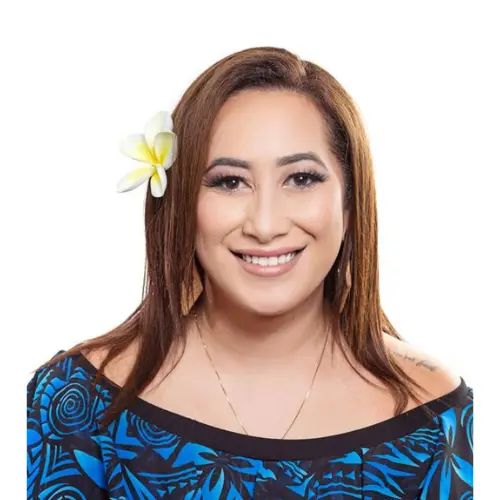
Seiuli Angel Timali Tiatia-Siau
Senior project coordinator, Le Va
Angel was born in American Samoa, hailing from the villages of Fagasa in Tutuila, Tuana’i and Lalomanu in Upolu. She holds a bachelor’s degree in counselling and a postgraduate degree in mental health and addiction.
Angel brings a wealth of knowledge through her counselling background in mental health and addiction, her work with taiohi in the youth justice sector, and her experience in the tertiary sector. She is driven by her desire to see Pasifika succeed.
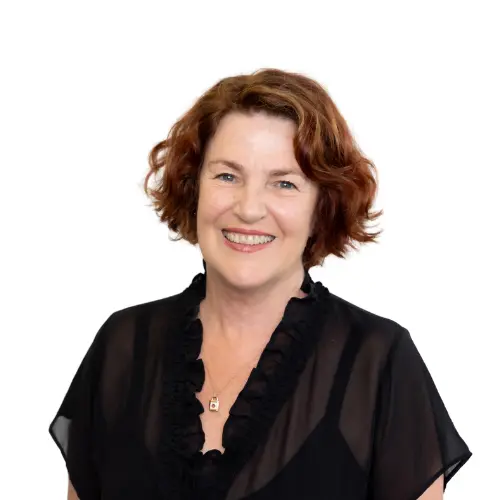
Jackie Riach (she/her)
Country manager, Triple P New Zealand
Jackie leads the implementation of the suite of Triple P programmes throughout Aotearoa | New Zealand. Her current role involves supporting government and partner organisations to effectively design and implement evidence-based parenting support initiatives.
Jackie is a psychologist registered with the New Zealand Psychologists Board and a University of Queensland qualified Triple P trainer.
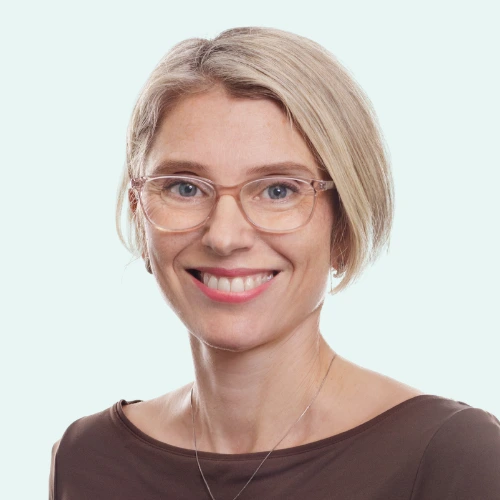
Dr Jayne Mercier
Workforce Delivery Lead (she/her)
Jayne looks after our Foundation in ICAMHs programme, developing and delivering both online and in-person trainings for those new to working with pēpi, tamariki, taiohi, and their whānau, or those wishing to refresh their knowledge in this area.
Jayne is a registered psychotherapist with a strong background in youth development. Her career has involved youth-focused service delivery and leadership, tertiary education, research, and supervision.
Jayne holds a PhD from Massey University, and a Master of Health Science, Psychotherapy from Auckland University of Technology.
“I am passionate about supporting kaimahi in bringing their best for the mokopuna and whānau they serve. I am excited to be part of the workforce delivery programme at Whāraurau, ensuring ICAMHs kaimahi can access clinically, culturally, and lived-experience informed knowledge, training and resources.”
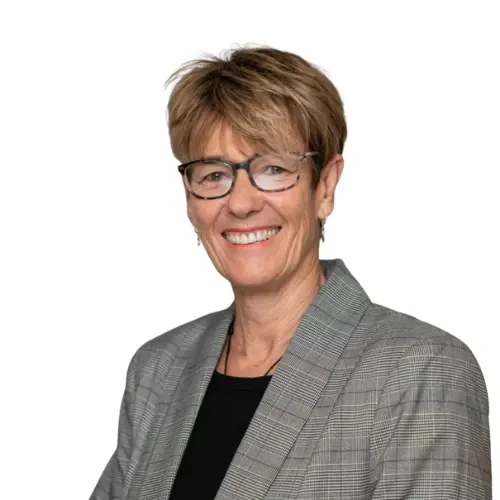
Lyn Jansen
Prevention Education Lead, Stop
Lyn Jansen has been involved with Stop for 20 years and is currently the Prevention Education Lead. She works alongside the clinical team and provides training, support, and consultation in the prevention space.
Lyn’s key focus is on equipping and supporting whānau, families, professionals, and schools through Stop’s Kaupapa, with the primary aim of minimising and preventing incidents of sexualised behaviour from escalating in her community.
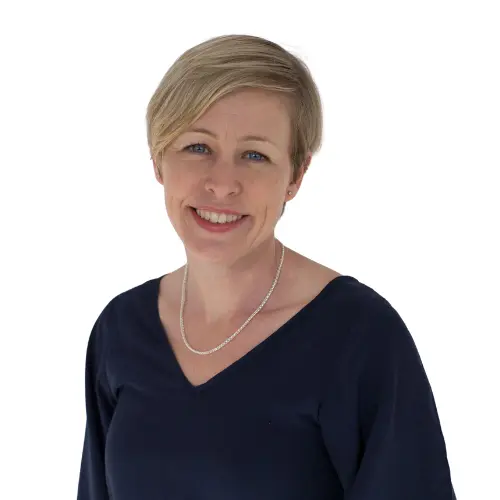
Dr Tessa Brudevold-Iversen (she/her)
Clinical Psychologist & Trainer, DBTNZ
Tessa has worked in Dialectical Behavioural Therapy (DBT) consultation teams in both public and private sectors, and was a postdoctoral fellow in Seattle, Washington, where she received training from Dr Marsha Linehan, the creator of DBT. She currently co-leads a DBT team in private practice, is a board member and trainer for Family Connections New Zealand, and a board member for DBTNZ.
Her research background includes effective treatments for mood difficulties, assessing international interventions for child trafficking and DBT for complex eating disorders. Tessa specialises in working with adolescents, adults, and whānau who are experiencing emotional dysregulation (including suicidality and complex eating disorders) and trauma. She helped implement DBT for Multidiagnostic Eating Disorders (MED-DBT).
Kerri Butler
Board member
Ngāpuhi, Ngāti Porou | Consultant/Director, Take Notice
Kerri is the founder of Take Notice, established in 2014 as a Māori lived experience led organisation.
Kerri holds a Master’s in Public Health and has served in influential roles on national boards and advisory groups, including as Co-Chair of the Mental Health Act Advisory Group and the Health and Disability Standards Review Committee.
Energetic and passionate, she approaches her work with a deep commitment to equity, social justice, and the transformative power of lived experience.
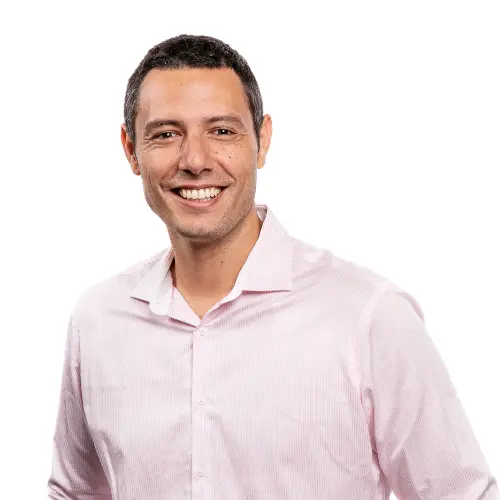
Nicholas Cao
Clinical Lead, Le Va
Nicholas is a registered psychologist and has worked across Auckland in primary Mental Health and Addiction (MHA) settings, specialist diabetes clinics, and private practice. He previously helped pilot and implement integrated primary MHA services across New Zealand’s largest independent primary health organisation.
Nicholas has special clinical and research interests in sport’s psychology and diabetes. He was called to the Le Va aiga | family in December 2022 with the main aim of supporting the Pasifika primary MHA section and advocating for Pasifika to study and pursue a career in mental health and wellbeing.
Nicholas studied health psychology at the University of Auckland. He is of Samoan and Italian heritage, with his grandparents hailing from Safotu, Apia and Caneva in Northern Italy.
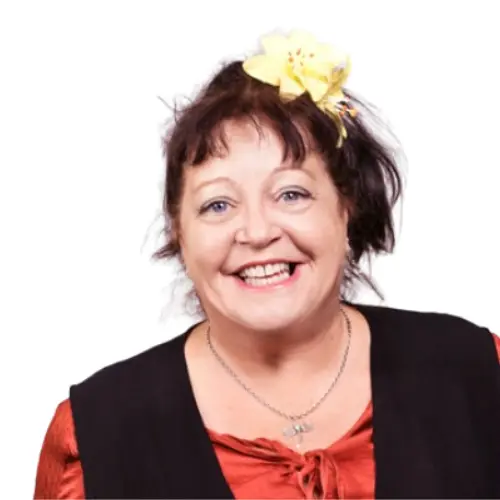
Caro Swanson (she/her)
Honorary Fellow, Royal Australia, New Zealand College of Psychiatry (RANZCP) | Principal Advisor – Mental Health and Service User Lead, Te Pou
Caro has worked in the mental health sector for more than 20 years in lived experience roles, including consumer advisory, auditing, governance, peer support, project management, training, facilitation, consultancy, evaluation, resource development, advocacy, writing, supervision and mentoring, quality improvement and workforce development. In this work she has been able to use her 50+ years of lived experience with mental health challenges in ways that support better services and outcomes for people and their whānau.
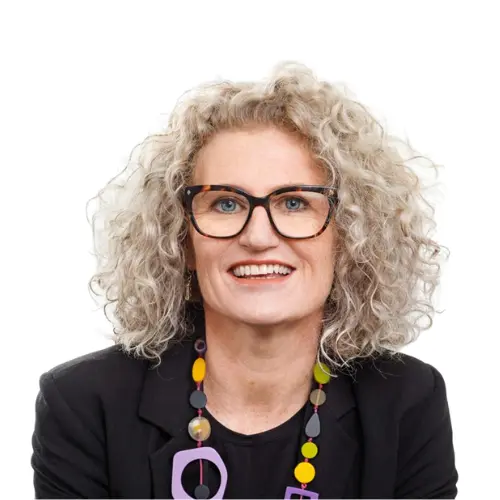
Amanda Bradley
National Manager – Consumer, Peer Support, Lived Experience, Te Pou
Amanda began her journey in the Mental Health and Addictions (MHA) sector 25 years ago, driven by her own lived experience and determination to make a meaningful impact on others navigating similar challenges. Over the years, she has worked in many different roles and was most recently a general manager at Pathways.
Amanda commenced working at Te Pou in 2024. Her vision is to ensure that the right resources, comprehensive training, and robust support systems are in place across all levels for the lived experience workforce. She firmly believes that recognising and valuing the knowledge and contributions of the lived experience workforce will complement and strengthen the existing MHA sector, leading to positive outcomes for all tāngata whaiora.
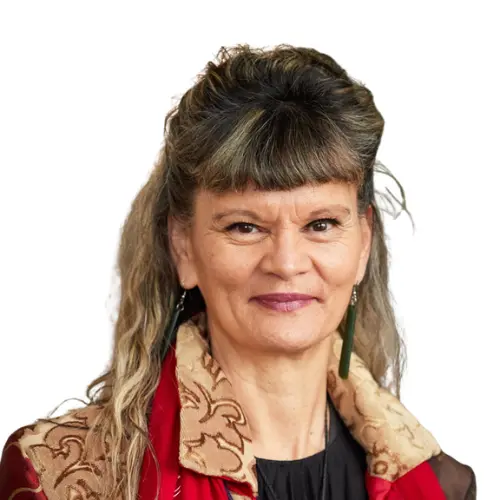
Dr Tania Cargo
Ngāti Manu, Ngāti Maru, Ngāpuhi | Director of Clinical Psychology, University of Auckland
Dr Tania Cargo is a highly regarded consultant Māori clinical psychologist with over 25 years of service dedicated to supporting Māori pēpi, tamariki and rangatahi. As director of the clinical psychology training programme at the University of Auckland, she enables future psychologists to address diverse cultural needs.
As a national leader in Parent-Child Interaction Therapy (PCIT) and a member of PCIT International workforce taskforce, Tania has significantly impacted whānau across Aotearoa | New Zealand. She provides training, supervision, and clinical services that strengthen parent-child connections. Tania has authored key literature on culturally safe PCIT practices – her advocacy for Māori includes a groundbreaking pilot study in 2014 showcasing the utility of tailored PCIT led by Māori practitioners.
An engaging and accomplished educator, Tania has developed Cognitive Behavioural Therapy (CBT) models for Māori, including the Waka and Skateboard frameworks which address mental health challenges in a relatable context, fostering meaningful connection and emphasising the integration of indigenous knowledge into modern therapy. Tania also serves on the New Zealand Psychologist’s Board chairing the accreditation committee and Tūmaia Kaiārahi, a group of Māori psychology advisors.
Through her unwavering dedication to seeing psychology as service, Tania continues to inspire a new wave of mental health clinicians.
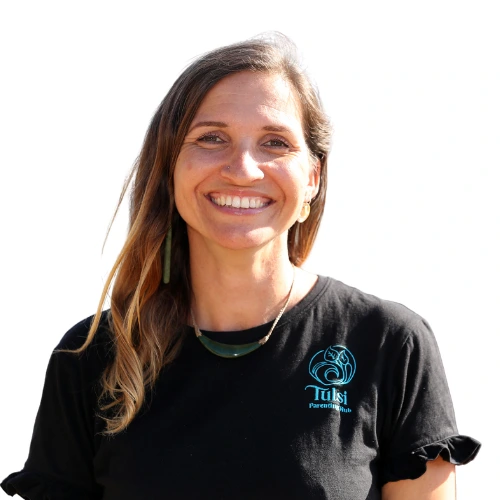
Cassandra Borlase (she/her)
Director, Tulsi Parenting Hub | Director, Koru Parenting Hub
Cassandra brings 12 years of dedicated experience as an accredited Incredible Years facilitator; she is also an accredited peer coach. She is passionate about equipping parents with the skills and confidence to build strong, positive relationships with their children.
Cassandra is the Director of both Tulsi Parenting Hub and Koru Parenting Hub (a charitable organisation) in New Zealand, where she and her team deliver and expand access to vital evidence-based parenting strategies.
Beyond her experience with the Incredible Years, Cassandra holds a Bachelor of Natural Medicine and Herbal Medicine and previously practiced as a Children's Naturopath. She is also an accredited facilitator of Tuning into Teens and Tuning into Kids and holds a strong passion for connection between children/teens and their parents.
Her understanding, knowledge, and perspectives are strengthened by her personal journey as a parent to two teenage boys, providing a relatable and practical understanding of the challenges and rewards of parenting. Cassandra’s husband is also an accredited Incredible Years facilitator, and they have raised their children in alignment with Incredible Years principles. This has given her an understanding of real-world applications of the program.
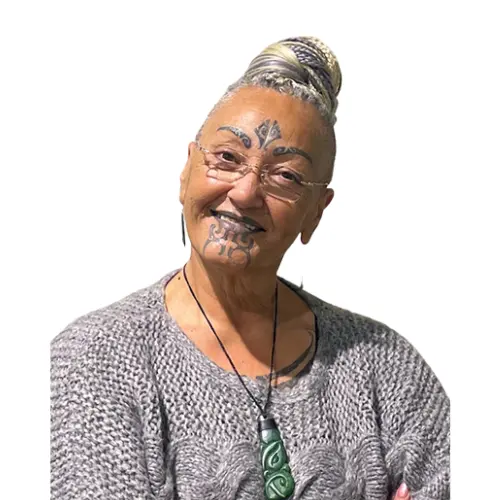
Hine Moeke-Murray (she/her)
Ngāti Porou | Chief Executive Officer, Te Kupenga Net Trust Mental Health & Addictions Peer Support and Advocacy Services
Hine has spent two decades focusing on Māori knowledge, values, and lived experience in health, mental health and addictions, education, and social services in the Tairāwhiti. Using cultural supervision and pūrakau-based approaches to reshape understandings of mental health, Hine continues to strengthen practitioner accountability, indigenise systems, and support whānau-centred responses for Māori communities.
Hine hold a Masters in Indigenous Studies from Massey University. She also holds a Post-graduate Diploma in Māori Studies and a Graduate Diploma in Bicultural Professional Supervision, both from Te Wānanga o Aotearoa.
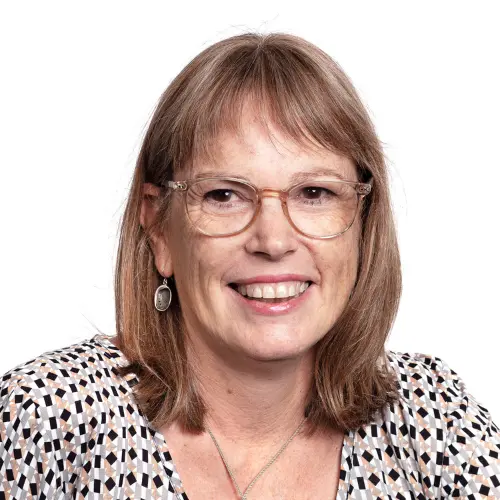
Trish Gledhill (she/her)
Programme Lead, Te Pou
Trish is an occupational therapist specialising in trauma-informed practice. She has worked as a lead advisor at Oranga Tamariki and as a senior clinician at a child trauma service in Australia. She currently leads the Keeping it Real | Kia Pono te Tika framework at Te Pou, where trauma-informed approaches are central.
Trish holds a Diploma in Occupational Therapy and a Master of Arts (MA) in Childhood and Youth Studies from the University of Otago.
.webp)
Bradie Niederberger
Workforce Delivery Lead (she/her)
Bradie is responsible for developing, delivering, and reviewing training programmes to support kaimahi within the Youth Primary Mental Health and Addictions (YPMHA) workforce across Aotearoa New Zealand.
Bradie began her career working as a primary school social worker in South Auckland. She then joined the Child and Adolescent Mental Health (CAMHS) team at Te Whatu Ora as a mental health clinician working with taiohi | young people and their whānau across the Counties Manukau region providing therapeutic support.
Bradie has a Bachelor of Social Work (Hons) from the University of Canterbury and a Postgraduate Diploma in Health Sciences (Infant, Child and Adolescent Mental Health) from the University of Auckland. She is currently completing a master’s in health sciences, with her research focusing on whānau lived experiences associated with youth mental health challenges.
“I am passionate about advocating for, and empowering kaimahi, seeing them as the heart of our workforce. Having a clinical background, I believe collaboration and opportunities for learning are so important in developing a strong, capable workforce, enabling kaimahi to create meaningful change for taiohi and their whānau.”
Ashley Kirkness
Project Support Coordinator (she/her)
Ashley’s role is to support the Whāraurau team with the logistics of events, trainings, and workshops delivered in person and online.
Ashley previously worked at the Auckland University of Technology (AUT) on various university-based initiatives as a navigator, including the Aspire Up programme, which focussed on supporting Pacific students. She has wide-ranging experience in event management, and has worked with non-profit organisations, charities, and local communities.
Ashley has a Bachelor of International Hospitality Management (Events Management), a Graduate Diploma in Education, and a Master of Business Management
“I believe that our young people are the future of Aotearoa New Zealand. However, those who support our young people also deserve the same level of investment in their own development so they can continue to provide the best support possible. The work that Whāraurau does allows us to sow seeds of growth and hope – ensuring we see brighter days in the years to come.”
Latarsha Green (she/her)
Senior Clinical Psychologist, Te Whatu Ora | Health New Zealand
Tarsh previously worked for the South Island Eating Disorders Service and has experience working alongside individuals with anxiety disorders, OCD, trauma, eating disorders, and chronic pain. She is experienced in treating issues that commonly present alongside eating disorders, particularly comorbid post-traumatic stress disorder (PTSD).

Wendy Kelly
Consultant Clinical Facilitator
As a Consultant Clinical Facilitator Wendy provides clinical leadership, knowledge and experience to plan, develop, review and deliver evidence-based content in a range of programmes. These programmes currently include Trauma informed care and Pregnancy/postnatal wellbeing and mental health.
Wendy is a clinical psychologist who has worked in the areas of mental health, trauma, maltreatment and foster care for over 35 years. Her work experience includes a CAMHS Service, Oranga Tamariki and private practice. She is currently a Clinical Practice Advisor at Victoria University and has a private practice specialising in working with clients who have experienced trauma. Wendy also provides supervision and training to a wide range of professionals.
She completed a PhD in 2015 exploring parent-child relationships in foster care and developing a model to assist these relationships therapeutically.
“I have been providing training in the areas of trauma and attachment for several decades and am very enthusiastic about contributing to upskilling the child and adolescent workforce in these areas.”

Emma Henderson
General Manager, Tourette's Association of New Zealand
Emma is the General Manager of the Tourette’s Association of New Zealand. She is a passionate advocate for neurodiversity and youth wellbeing. She brings both professional expertise and lived experience with Tourette syndrome, working alongside tamariki, rangatahi, and their whānau to raise awareness, challenge stigma, and create more inclusive environments. Emma also leads advocacy and education initiatives with key industries, ensuring greater understanding and support for people with Tourette syndrome across Aotearoa.
With a strengths-based approach, Emma is dedicated to empowering young people with Tourette syndrome to thrive in their schools, families, workplaces, and communities.

Rose Carson
Senior clinical psychologist, Carson Psychology | Psychology advisor, ACC
Rose Carson is a senior clinical psychologist and founder of Carson Psychology. She specialises in neurodiversity, trauma-informed practice, and professional development. Co-founder of the Case Consultant Package and Studio Mindspace, Rose partners with organisations and communities to build capacity, foster inclusion, and create sustainable, psychologically safe environments.

Clare Mafi
Advanced social work clinician, Health New Zealand | Te Whatu Ora
Clare is an advanced social work clinician at Health New Zealand | Te Whatu Ora. She was previously employed with the Ministry of Social Development as a case manager. She is of Tongan descent, hailing from the village of Fo’ui, Tongatapu.
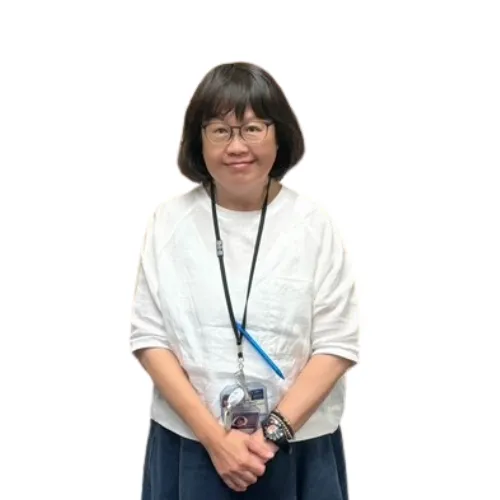
Meggan Lam
Consultant clinical psychologist, Counties Manukau, Health New Zealand | Te Whatu Ora
Meggan is a perinatal clinician who has been working withchildren and their whānau for the last three decades. Meg is accredited as a watch,wait and wonder practitioner and supervisor, and is a certified circle ofsecurity facilitator. She utilises VIG (Video Interaction Guidance), relationshipassessment (strange situation, crowel procedure, and still face), EMDR, and ACT– drawing from attachment, psychodynamic, systemic, and narrative therapymodels.
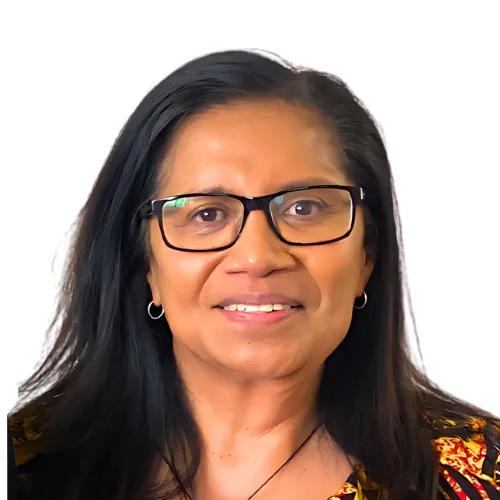
Miliama Tapusoa
Clinical Lead, Pasifika Shining Lights
Millie is a respected talanoa practitioner and Pacific clinician with a rich background in mental health and addictions. She leads the Pasifika Shining Lights program and facilitates the successful 7-week Upega course — a Pacific lead program fostering mental wellness and resilience for parents, caregivers, and children aged 0–5 to connect, learn, and grow together.
A proud Pasifika mother of neurodiverse sons, Millie brings deep empathy, lived experience, and cultural wisdom to her mahi. Her heart for service shines through in the way she walks alongside whānau, offering practical support and hope.
Millie is a sought-after speaker, clinical supervisor, and specialist in children’s mental wellbeing. She is passionate about empowering Pacific and disabled communities, breaking down barriers, and creating safe, accessible pathways to healing and support.
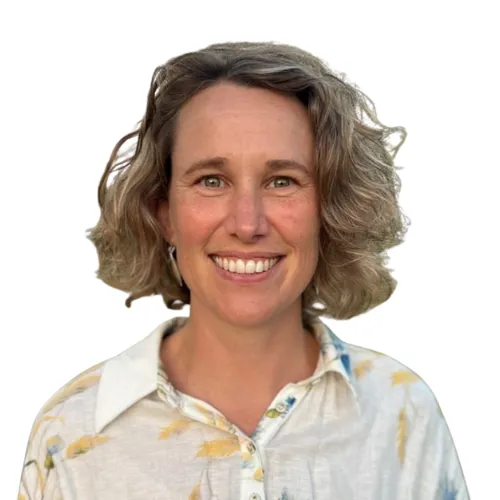
Sam Taylor
Child and Family Psychologist, Stop
Samantha (Sam) is a Child and Family Psychologist working in the adolescent team at Stop. She works directly alongside rangatahi who have engaged in harmful sexual behaviour, supporting them to understand themselves, take responsibility for their actions, and engage in healing and growth so they can move forward safely.
Sam has more than a decade of experience with youth, having worked across a wide range of settings, including Oranga Tamariki residences, community support, youth justice and learning support. Her practice is grounded in evidence-based approaches, compassionate relationships, and in creating pathways for real change in the lives of young people and their whānau.
Sam knows this mahi takes all of us and is passionate about equipping professionals and communities with the tools and confidence they need to respond effectively to the complex needs of rangatahi. She is committed to creating safe and supportive environments that not only reduce harm but also foster positive sexual development — enabling young people to build respectful, empowering relationships and experience healthy, safe expressions of sexuality.

Nicky Cooper
Early intervention public health nurse, Health New Zealand | Te Whatu Ora – Nelson Marlborough | Te Waipounamu
Nicky Cooper is an early intervention nurse with over 30 years’ experience in hospital, rural, and community care. Based in Te Tauihu, she specialises in public health, parenting, and infant/perinatal mental health. Her work through the Hei Pā Harakeke programme focuses on strengthening early whānau relationships and collaborate care in the first 1000 days.
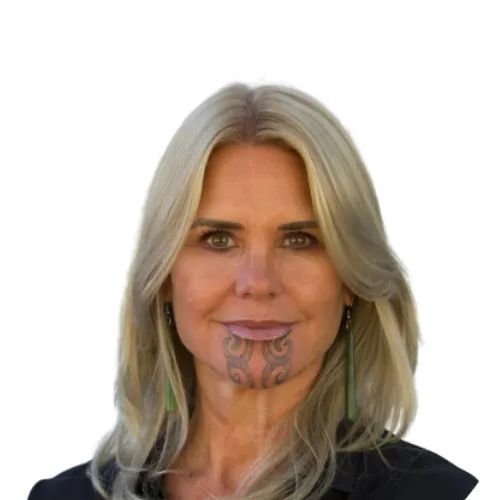
Dr Hinemoa Elder
Te Aupouri, Te Rarawa, Ngāti Kuri, Ngāi Takoto, Ngāpuhi | Kaiārahi Oranga Hinengaro, Te Hiku Hauora | Deputy Chair, Te Rūnanga Nui o Te Aupōuri.
Hinemoa has been a consultant child and adolescent psychiatrist and fellow of the Royal Australia and New Zealand College of Psychiatrists since 2006. Hinemoa is currently the Kaiārahi Oranga Hinengaro at Te Hiku Hauora in Kaitāia and the Deputy Chair of Te Rūnanga Nui o Te Aupōuri.
She has a PhD (Massey University 2012) and was an HRC Eru Pomare Post-Doctoral Fellow 2014-18.
She has been a deputy psychiatrist member of the NZ Mental Health Review Tribunal since 2012 and is a newly appointed member of the Human Rights Review Tribunal.
Hinemoa has experience in perinatal mental health in the community, having worked in teen parenting units, primary mental health, and the mother baby unit at Haumaru Ōrite | Starship Children’s Hospital.
Hinemoa was awarded an MNZM for services to Māori and psychiatry in 2019.
Michelle Cooney
Health Improvement Practitioner, Freshminds | Registered Psychotherapist, Walsh Maternal Mental Health (she/her)
Michelle is a registered psychotherapist and health improvement practitioner at Fresh Minds, where she provides compassionate, evidence-based mental health support within primary care. With over a year in this role, and eight years of prior experience in maternal mental health through a leading NGO, Michelle brings a rich blend of clinical expertise and community insight to her work.
Marion Doherty
Consultant Clinical Psychologist/Coordinator, Koanga Tupu (Infant Mental Health Team Kari Centre), Te Whatu Ora Health New Zealand
Marion has been working with children and their whānau for the past twenty years – specialising in work with infants and young children and their whānau for 14 years. Marion is accredited as a watch, wait and wonder and theraplay practitioner and is a certified circle of security facilitator. She utilises VIG (Video Interaction Guidance) and other forms of dyadic therapy informed by MBT and drawing from attachment, psychodynamic,systemic, and narrative therapy models.
Holly Coombes
Holly Coombes Ngāti Maru ki Hauraki (Marutuahu) | Consultant Clinical Psychologist | Clinical Lead | Manaaki Kākano | He Tupua Wairoa | Te Iho Whenua, [Perinatal Mental Health and Addiction Speciality Services], Kia Tū Ngāwari | Te Whatu Ora | Te Tai Tokerau
Holly is a consultant clinical psychologist with two decades of experience working alongside whānau in rural settings. She is a mama of three, with whakapapa connections to Ngāti Maru ki Hauraki (Marutuahi).
Her mahi is trauma-informed, healing centred, and explicitly incorporates sociocultural contexts as an integral part of the development of our view of ourselves and the world.
Seema Woollaston
Clinical Head, Te Tumu Waiora
Seema has been a clinical social worker in the mental health sector for over 25 years, with 14 years’ experience in CAMHs. She is also a trained health improvement practitioner and has spent six years in primary care offering early intervention and clinically supporting the integrated primary mental health and addictions programme.
Seema is a registered social worker (MSW, PG Dip CBT, PGCert HSc).
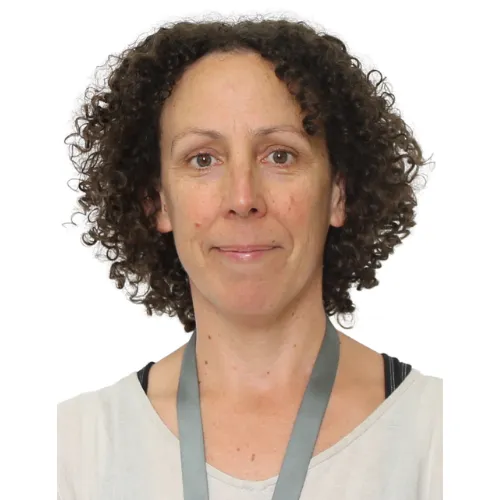
Jennifer Cassidy
Hospital Liaison Practice Leader, Oranga Tamariki
Jennifer has worked across the healthcare sector in a variety of different roles. She is currently the hospital liaison practice manager for Oranga Tamariki at Counties Manukau Health.
Jennifer holds a Bachelor of Applied Social Work.
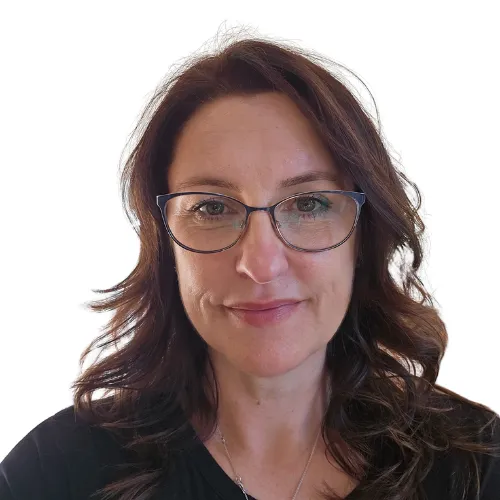
Jo Nielsen
Child Protection Coordinator, Clinical Nurse Specialist, Te Whatu Ora Counties Manukau
Jo Nielsen is a paediatric clinical nurse specialist. Trained in the UK, she has lived in New Zealand for 17 years working for Kidz First Children’s Hospital. Jo has worked in the child protection space for the past 14 years.
Jo holds a Post Graduate Diploma, Health Science in Advanced Nursing Practice with Distinction.
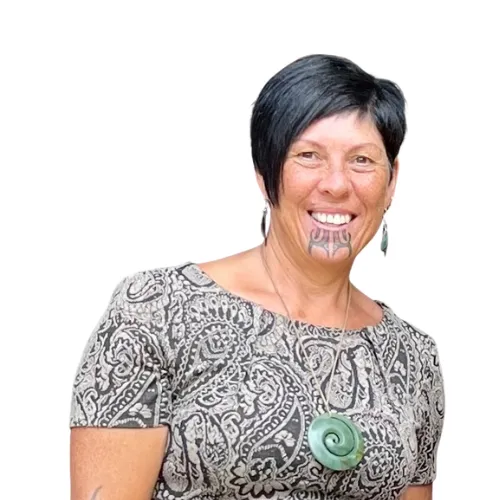
Moana Eruera
Ngāpuhi, Ngāti Ruanui ǀ CEO, Ngāpuhi Social Services
Moana has more than 30 years of experience in social and community work including family violence prevention, child safety and protection, youth justice, Ngāpuhi based violence prevention, and research.
She is committed to strengthening whānau, child safety and wellbeing, reclaiming and application of indigenous frameworks and practices in social and community work, youth intimate partner violence prevention approaches, and the development of Māori and indigenous people.
Moana holds a PhD in Indigenous Studies.

Judge Ali’imuamua Sandra Alofivae
District Court Judge, District Court of New Zealand
Sandra is a barrister, serving as a Judge on the Manukau District Court, and was formerly Commissioner to the Royal Commission of Inquiry into Historical Abuse in State Care.
Sandra is a tireless advocate for children, families, and youth, and shaped major child protection reforms. She continues to champion justice, equity, and system accountability across legal and public service sectors.

Ihorangi Reweti
Ngāti Tūwharetoa, Ngāti Tahu-Ngāti Whaoa, Ngāti Kahungunu ǀ Rangatahi Advisor, VOYCE Whakarongo Mai
Ihorangi is a passionate youth advocate and advisor, who played a key role in the Abuse in Care Inquiry. He shared his lived experience to push for change, championing trauma-informed mental health support and greater system accountability for rangatahi in state care and youth wellbeing spaces.

Hannah Whittaker-Komatsu
Programme Director Lived Experience, Ministry of Health – Manatū Hauora
Hannah Whittaker-Komatsu, in her own words, celebrates life outside the box. Her work in the peer support space began when she was just 22 years old. Since then, she has journeyed alongside people in a variety of lived experience spaces and roles.
Hannah currently works for Ministry of Health – Manatū Hauora as the programme director lived experience, within the Ministry’s Mental Health, Addiction and Suicide Prevention group.

Dr Cadence Kaumoana
Ngāti Maniapoto, Wakato, Ngāti Paoa I Chief Executive, Public Health Association of New Zealand (PHANZ)
Dr Cadence Kaumoana is the Chief Executive of PHANZ, where she leads national advocacy for equity, systems change, and the right to health for all.
With a background in education, kaupapa Māori research, and public health leadership, Cadence brings a values-based and grounded approach to intergenerational wellbeing and community resilience. Her work spans community wellbeing, public health equity, healthy living and workforce development. She is committed to centring lived experience and whānau voice in shaping the future of health and social systems in Aotearoa New Zealand.
Cadence holds a Doctorate (PhD) of Education, Master of Education, Post Graduate Diploma of Māori Education, a Graduate Diploma of Teaching and a Bachelor of Arts.
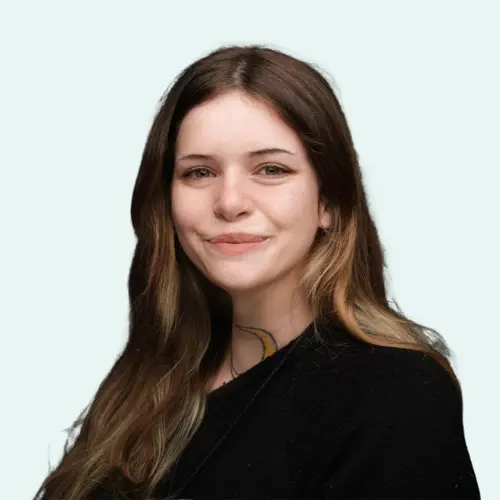
Tai Bennett
Youth Consumer Advisor (she/they)
Tai’s role is to bring her lived experienced perspective with mental health services to the work of Whāraurau so that the voices of taiohi experiencing mental health issues are heard; ensuring that care can be delivered in a way that meets their needs.
"The challenges I faced in state care, youth justice, and mental health services, have shaped my resilience and instilled in me a passion to advocate for taiohi. I strive to foster a workforce that is more inclusive, compassionate, and responsive to the realities young people face. He pai te tirohanga ki ngā Mahara mō ngā rā pahemo engari ka puta te māramatanga I runga I te titiro whakamua, it is fine to have recollections of the past, but wisdom comes from being able to prepare opportunities for the future."

Rosie Mimms
Marketing Communications Coordinator
Rosie’s role is to provide communications support and coordination to the wider Whāraurau team, ensuring that our work is effectively communicated to stakeholders. She is also involved in developing and supporting the delivery of communications plans, strategies, and operations.
Rosie has prior experience in communications roles across both the public and private sector. She has a Bachelor of Arts (B.A.) degree in Political Science and Communications Studies from the University of Otago.
“I believe that Whāraurau does essential work in supporting the mental health and addiction workforce here in Aotearoa New Zealand. My role enables me to contribute to promoting the professional development opportunities we offer and influencing positive outcomes in the sector.”
.png)
Dr Siale Alo Folilaki
Consultant psychiatrist | Counties Manukau
Dr Foliaki is a consultant psychiatrist with Counties Manukau, based at Middlemore Hospital in Otāhuhu. He chairs the Tongan youth suicide prevention group, Toko Collaboration, and is a director of Vaka Tautua, a charitable trust providing health services and support to older people, people with disabilities, and those needing support with mental health.
Siale was the lead psychiatrist for the development and national rollout of the of the crisis mental health services project with the Ministry of Health. He’s a Fellow of the Australian and New Zealand College of Psychiatrists, and is unique in having dual fellowship — in both adult, and child and adolescent psychiatry.
As well as his clinical work, Siale has undertaken extensive research projects, the most significant being his involvement in the New Zealand Mental Health Survey Te Rau Hinengaro. He’s had significant involvement in policy level roles with the Ministry of Health and the Mental Health Commission and had a key role inwriting the cultural competency guidelines for Pacific people for the New Zealand Medical Council.
Hailing from the Kingdom of Tonga, Dr. Foliaki has cultivated a deep connection with his Pacific heritage and culture throughout his life, which has greatly influenced his career and passion for improving the lives of Pacific peoples.
.webp)
Rebekah Fraser
Registered occupational therapist | Project manager
Rebekah (Bex) is a registered occupational therapist and project manager with over 15 years of experience in paediatric clinical work, personal injury service design and delivery, and sexual harm prevention education.
Bex works for Stop in Christchurch where she has recently delivered New Zealand's first online platform addressing youth concerning and harmful sexualised behaviour (www.presspause.co.nz).
Bex is passionate about delivering innovative, culturally informed solutions in the health and social services sectors.

Kathy Pham
Project Support Coordinator
In her role at Whāraurau, Kathy is responsible for ensuring the smooth planning, coordination, and delivery of event logistics across both internal and external stakeholders and suppliers, aligning with project goals and timelines.
Kathy has a background in sales and marketing, student services and counselling within the education sector. Her work has involved handling logistics and budgeting and preparing a wide range of support materials for study groups and students. Additionally, she has experience in hospitality and customer support.
She has recently completed her Bachelor of Business, majoring in management and leadership and minoring in business law.
“My role is important to me at Whāraurau because it allows me to contribute to meaningful projects that support the professional development of those working in the mental health and wellbeing sector. I take pride knowing that my work behind the scenes helps connect people with valuable knowledge, training, and support.”
Pip Bowler
Mental Health, Addictions, and Intellectual Disability Services (MHAIDS) Whānau Advisor for the young person’s sector
Pip has a 25-year background in youth mental health, including roles as a social worker, Ministry of Health contracted project worker, and advocate.
Pip also brings lived experience of being a whānau member of someone who engaged in mental health services.
In the role of whānau advisor, Pip is involved with training staff, quality improvement projects, elevating whānau voice, improving information and support for whānau, and is a passionate supporter of equity for Māori in mental health and addiction services.
Pip coordinates the MHAIDS Supporting Parents Healthy Children project for the Te Upoko o Te Ika a Māui (the greater Wellington region) and is on the national steering group.
.webp)
Khushali Jana-Pett
Project Support Coordinator
Khushali ensures logistical management of workshops, trainings and events. She works closely with the workforce delivery leads to deliver training in the mental health sector for infants, children, adolescent and youth in Aotearoa.
Khushali previously worked as a course coordinator for Primary ITO | Te Pukenga. She was responsible for the planning, scheduling and organisation of nationwide training courses for all akonga | students in the agricultural sector. She also has a background in customer service, process administration and operations. Her experience as a sales and digital executive has given her insights into how to improve business process through great communication – especially when communicating digitally.
Khushali has a master’s in food technology from Lincoln University and a Bachelor in Bioengineering from India.
"I am passionate about learning and development, and an advocate for mental health and wellbeing. Knowing that Whāraurau’s mahi is empowering communities with resources and knowledge in the mental health space in New Zealand is immensely special and essential."
Dr Gloria Fraser
Kāi Tahu | Lecturer in health psychology, Victoria University of Wellington
Gloria (Kāi Tahu, Kāti Māmoe, Pākehā) is interested in mental health, identity and culture, and how academic teaching and research can make change in the real world. She has previously conducted community-based research about rainbow peoples’ experiences of accessing mental health support and gender-affirming healthcare.
Currently, Gloria’s work focuses on eating disorders and body image, particularly among Māori, and increasing the cultural responsivity of clinical frameworks. She is a previous heamana | chairperson and current hēkeretari | secretary of Te Tira Wānanga Māuiui Kai.
Gloria is a registered clinical psychologist who continues to practice clinically alongside her academic role.
.webp)
Joanne Lawless
Facilitator | Altogether Autism
Joanne has extensive experience of autism, both professionally and personally, and is an experienced facilitator in adult learning. Joanne’s two adult sons are both autistic.
She has a wide experience in both volunteer and paid roles in disability settings and has worked in a disability advisory role for disability training organisations.
Joanne is passionate about Enabling Good Lives (EGL) and system transformation as she works to bring about positive change in the lives of disabled people and their families | whānau.

Tereihine Roberts-Thompson
Lead facilitator | Administrator | Kaharawa Limited
He maramara nō te whare tapu o Ngāpuhi, he kuaka nō roto o Muriwhenua nui tonu! He wiwi, he naati nō Porourangi rā! Whakawhiti ki te rohe o Tainui waka e ko Te Nehenehenui e haruru nei! Tihei Māuriora.
Tereihine Roberts-Thompson is the administrator and leadfacilitator of Kaharawa alongside her father, Harley Thompson.
She has a Bachelor of Arts in Cultural Anthropology andMāori Studies (Victoria University of Wellington) and aspires to nurture thewell-being of whānau through pūrākau and storytelling.

Kathryn Wright
Registered counsellor
Kathryn has studied and worked in the field of rural mentalhealth for ten years and has experience working with people aged 5 to 85, bothin schools and privately. She is a full member of the New Zealand Associationof Counsellors, and is on the Community Health Council for Otago and Southland.Kathryn is also an accredited mental health first aid instructor.
Terry Fleming
Associate Professor at Te Herenga Waka | Victoria University
Terry Fleming has a clinical background in youth health and mental health services in South Auckland.
Her work focuses on scalable approaches to improving youth mental health in Aotearoa New Zealand and internationally.
She is a co-developer of SPARX, a computerised cognitive behavioural therapy program, and co-led Youth19—the latest iteration of the Youth2000 survey series.
Terry has published widely on population youth mental health and wellbeing and has advised government agencies in New Zealand and beyond. You can see more about her work here: https://terryflemingvuw.wordpress.com/

Nikki Denholm
Director | The Light Project
Nikki Denholm, MNZM, has a health background with expertise in emerging gender and sexual health issues. She has held senior leadership positions in maternity clinical services and founded the NZ FGM Education Programme and the African Refugee HIV/AIDS Education Programme. In 2017, she established The Light Project, New Zealand's leading service equipping young people, their families, and youth services to positively navigate the changing digital sexual landscape.
.webp)
Wiremu Gray
Mana facilitator
Wiremu has been working in the space of Māori woodcarving, wellbeing, leadership, supervision and counselling for over 20 years. He is passionate about changing negative health statistics, especially for Māori. He believes that having a bicultural approach to wellbeing using the 'Te whare Mauri Ora' model is a positive step forward for institutions and health providers in Aotearoa.

Chris Taua
Director | Consultant | Pumahara Consultants, Personal and Professional Development Specialists
Chris has over 25 years' experience in the health/disabilitysectors, a background in mental health and is a registered nurse . Hereducation includes mental health, disability, ethics and boundaries,communication and de-escalation, collaborative note writing, and culturallysafe practice.
Chris’s PhD explored the mental health inpatient experiencesof people with intellectual disability and she continues to publish on this andother topics, including cultural diversity/cultural safety.
She is currently Director and primary consultant for‘Pumahara Consultants, Personal and Professional Development Specialists’ andholds an Honorary Senior Lecturer role with The University of Queensland, aswell as other teaching roles with Universities around New Zealand andAustralia.

Harley Thompson
Ngāti Porou, Ngāti Maniapoto | Director and facilitator | Kaharawa Limited
Harley Thompson from Ngāti Porou, Ngāti Maniapoto is the founder of Kaharawa Limited and the creator of the KAHA model. He has 35 years plus experience in the social service sector, is a registered social worker and has an Adult Diploma in Education, Bachelor of Social work and Masters in Māori and Indigenous leadership from the University of Canterbury.
His life learnings have culminated in developing transformational change programmes for whānau, community and professionals.
.webp)
Holly Carrington
Women’s Refuge research & development advisor | National Collective of Independent Women’s Refuges Inc. Ngā Whare Whakaruruhau o Aotearoa
Holly has over two decades of experience in family violence specialist roles. She has written, trained and presented about family violence for a wide range of audiences, including speaking at conferences and symposia and publishing reports and articles.
After moving to Tamaki Makaurau | Auckland from her native California in 1999, she volunteered for Shine (Safer Homes in NZ Everyday) in 2000 and then was employed from 2001. She initially worked in frontline roles with people experiencing family violence and men using violence. Holly moved into leadership roles and acted as media spokesperson and policy advisor.
She moved to Wellington with her family in 2018 and worked remotely as DVFREE Programme Lead, then left in August 2022 to work as a Family Violence Principal Advisor with the Ministry of Justice. Holly rejoined Shine’s education and training team part-time in January 2024, when she also joined the policy and research team of the National Collective of Independent Women’s Refuges.
Dr Hannah Kennedy
Research Fellow | Department of Psychological Medicine University of Otago – Christchurch
Dr Hannah Kennedy has a background in diagnostic genetics and has now moved into exploring eating disorders. She has a particular interest in avoidant/restrictive food intake disorder (ARFID). She is interested in both the lived experience of those affected, and understanding the biological mechanisms involved (including genetic factors).
Hannah has a PhD in Psychology

Giselle Bahr
Clinical psychologist | Co-founder of ACT Wellington
Giselle Bahr is a clinical psychologist and co-founder of ACT Wellington. She has been using Acceptance and Commitment Therapy (ACT) in her practice since 2008 and has been trained and supervised by many of the world’s leading ACT therapists and researchers.
Giselle has worked at Child and Adolescent Mental Health Services, in private practice with adults and adolescents, and trained clinical psychology students at Victoria University of Wellington.
She has developed and facilitated ACT groups for parents and adults and served on the board of ANZ ACBS.

Ben Sedley
Clinical psychologist | Co-founder of ACT Wellington
Ben Sedley is New Zealand's only peer-reviewed Acceptance and Commitment Therapy (ACT) trainer. He is a clinical psychologist and co-founder of ACT Wellington.
He has been using ACT in his practice for over 20 years and has been trained and supervised by many of the world’s leading ACT therapists and researchers.
Ben has worked at Child and Adolescent Mental Health Services, in private practice with adults and adolescents, and trained new clinical psychology students at Victoria University of Wellington.
Ben wrote ‘Stuff that Sucks: Accepting what you can’t change and committing to what you can’, which introduces ACT to teenagers and Stuff That’s Loud: A Teen’s Guide to Unspiralling When OCD Gets Noisy (co-authored with Lisa Coyne).

Tisha Hancock
Māori Advisor
Tisha is a Māori advisor within Whāraurau’s Cultural Advisory team.
Her background has been shaped by her deep commitment to supporting Māori. A graduate of kura kaupapa and kohanga reo, she is a passionate Kaupapa Māori advocate. Her work with youth and iwi has been central to her career, beginning with her involvement in youth councils and programs from a young age.
Tisha’s experience includes working as a surveyor with Youth-19, gathering data on the social, economic, educational, and health outcomes for youth in Kura Kaupapa. She also volunteered with ESOL communities, providing literacy and reading support. As a cultural support worker at Auckland City Mission, Tisha provided case management and transitional housing support to wahine experiencing homelessness, helping them regain stability.
In her most recent role as a senior Māori student experience coordinator, Tisha focused on student retention at the university level, helping Māori students connect to relevant support services to ensure their success. Throughout her career, Tisha has remained dedicated to creating safe, supportive environments for Māori,guided by her values and experience working with rangatahi from her iwi.
She has a Bachelor of Arts in Māori Studies & Criminology.
"Ko te mahio te tamariki he wāwāhi tahā.’ ‘It is the children's job to smash the calabash’
When I feel disheartened by the weight of mahi or the unclear, intangible path to progress, I turn to this whakataukī as a gentle reminder: every action I take today is in service of creating opportunities for the tamariki in my life and in our whānau, to break barriers, to nurture, to give them the space and time to wāwāhi tahā, and to reach their full potential."
Siaan Nathan
Mataora psychology professional leader in Te Tai Tokerau | Te Whatu Ora
Ko Siaan Nathan tōku ingoa. He uri ahau no Te Roroa, Ngāti Torehina ki Kaihu, Ngāti Whātua, Ngāpuhime Ngāti Arera. Ka whai pānga nōki ahau ki te moutere o Kiriti, ki a Kotimana,ki a Airani.
I tupu ake au i raro i te maru o Ngāti Toa Rangatira, keiPorirua. Inaianei, e noho ana au kei Whangārei.
As a wahine Māori consultant clinical psychologist, Siaan is passionate about working for the betterment of whānau Māori who come through her service. Wherever possible she will utilise her knowledge and skills to provide intervention and support that aligns with what is needed as Māori people.
Siaan works directly with whānau, provides consultation, clinical and cultural supervision, training, and is involved in service and workforce development from a mātauranga Māori lens.
She has been facilitating Tuning in to Teens® and Tuning into Kids ® groups since 2019. She lovesthese programmes and has received lots of feedback about the value of the programme from whānau who complete it.
Siaan has a particular interest in exploring ways to deliver the programmes in a manner that resonates and connects with whānau Māori and life experiences.
Zara Mansoor
Clinical psychologist | Research fellow
Zara is a clinical psychologist and has spent most of the past decade working in child adolescent mental health services (CAMHS) in Aotearoa and the UK. She has recently completed her PhD under a Health Research Council NZ fellowship at Otago University, Wellington on the Tuning in to Teens® programme in local CAMHS .
Zara is also currently a research fellow on an evaluation of a new EMDR (Eye Movement Desensitisation and Reprocessing) therapy programme at Otago and Te Hekenga Whaiora, a project on improving wellbeing for those with first episode psychosis.
Alongside research, Zara works in private practice and is co-director at Whānau in Mind, an organisation aimed at supporting whānau with their children’s emotional wellbeing.
Michelle Egan-Bitran
Social worker | Safeguarding consultant
Michelle is a qualified social worker and member of the Social Work Registration Board with a current practising certificate. She has over 20 years’ experience in the social sector in a variety of roles, including with the Abuse in Care Royal Commission of Inquiry, The Office of the Children’s Commissioner and the University of Auckland Faculty of Counselling, Human Services and Social Work.
Michelle believes that everyone is born with mana, that everyone is sacred and that everyone has the right to be free from violence and abuse. She believes we all have a role to play in the care, protection, nurturing and healing of al lchildren, tamariki, rangatahi and their families, whānau and aiga in Aotearoa New Zealand.
.webp)
Lucy Gregory
Mentor-in-training, peer coach, group leader | Incredible Years® parenting and autism programmes
Lucy is a child and family psychologist with 15 years of experience facilitating Incredible Years® parenting programmes in mental health and community settings. She is a mentor-in-training, an accredited group leader and Peer Coach in the parent and autism programmes.
She is a registered psychologist and has a Postgraduate Diploma in Child and Family Psychology, from the University of Canterbury (PGDip ChFamPsyc).
Lucy also has a Masters of Education with Distinction in Child and Family Psychology, from the University of Canterbury (MEd, ChFamPsyc) and a Bachelor of Arts in Psychology and Theatre Studies, from the University of Canterbury (BA).
.webp)
Liam Teichmann
Youth Consumer Advisor (he/him)
Liam’s role is to bring his lived experienced perspective to the work of Whāraurau so that the voices of rangatahi experiencing mental health issues are heard and that their care is delivered in a way that meets their specific needs as a young person.
“My role is important to me because of my own lived experience and the lived experience of those around me. I’m passionate about helping youth have better, more compassionate experiences with services, so they feel heard, supported, and understood. I strongly believe the voices of young people who have lived experience play a key role in the betterment of services.”
.webp)
Dr Hiran Thabrew
Psychiatrist and paediatrician | Starship Children’s Hospital Senior lecturer and e-health researcher | University of Auckland
Hiran’s research interests include; the development of digital mental health interventions for children and young people, suicide prevention, the psychological care of children with long-term physical conditions, eating disorders, autism, and school-based mental health.
Hiran is also the Chair of Tu Te Akaaka Roa, the Aotearoa NZ branch of the RANZCP, Director of Te Ara Hāro, Centre for Infant, Child and Adolescent Mental Health Research - a national Child and Adolescent Research Network (CARN) and a non-profit organisation for the promotion of children’s mental health (ICAMH.org).

Dr Jennifer Jordan
Associate Professor - Department of Psychological Medicine, University of Otago, Christchurch
Jenny Jordan is an Associate Professor in the Department of Psychological Medicine at the University of Otago where she teaches on postgraduate mental health and addiction. She also works as a clinical psychologist for Te Whatu Ora- Waitaha Canterbury in the Specialist Mental Health Clinical Research Unit on psychotherapy research studies, and clinically in an outpatient alcohol and drug service.
Jenny’s is involved in clinical research for significant mental health problems, including comparative psychotherapy trials, translational research, and examining factors influencing psychotherapy outcomes.
Jenny co-leads the New Zealand site of the Eating Disorders Genetics Initiative (EDGI) international consortium study.
She has been an investigator and/or therapist on randomised controlled trials for eating, mood and anxiety disorders in inpatient, outpatient and primary care settings.
Jenny has a strong interest in improving equity in research participation and health outcomes and is privileged to work with and support emerging Māori researchers as they develop their research platforms in eating disorders.
She is an author or co-author of more than 120 scientific publications.
PhD (Otago), Dip Clin Psyc (Cant), FNZCCP

Jessica McQuoid
Safeguarding consultant
With a degree in health education and psychology, andprofessional background in sexual violence prevention, Jess brings a wealth ofknowledge to the Safeguarding Children team. She is a passionate advocate forthe health and wellbeing of children and young people.

Spencer Dietrich (she/her)
Programme Lead, New Zealand Drug Foundation
Spencer has been with the New Zealand Drug Foundation since 2022, starting out hosting drug checking clinics, she has since moved into a programme lead role. She brings both an extensive academic background and lived experience to her work, participating in several programmes the Drug Foundations runs, including drug checking, the Living Sober initiative, and volatile substance use and harm.
With a background in anthropology, Spencer also holds a graduate diploma in mental health and addictions, and has recently completed a Master of Health Practice, specialising in addiction studies.

Dame Sue Bagshaw
Owner of YouthHub Christchurch, educator and founder of The Collaborative Trust
Sue is a senior lecturer in adolescent health in the department of paediatrics at the Christchurch School of Medicine. With a medical degree and expertise as a youth worker, Sue is also an accomplished educator with The Collaborative Trust.
Sue has a BSc MB BS FAChSHM FRNZCGP (hon) DNZM

Dr Andi Crawford
Tangata Tiriti, Pākehā | Consultant psychologist | Te Ara Manapou (Pregnancy and Parenting Service), Te Whatu Ora, Te Matau a Māui (Hawke’s Bay).
With over 20 years of experience in child development, child and adolescent mental health, maternal mental health, and addiction services, Andi has recently served as the Tangata Tiriti co-lead for the development of FASD diagnostic guidelines for Aotearoa, New Zealand.
At Te Ara Manapou, Andi supports pregnant women and parents of young children who face mental health and addiction challenges.
Tania Henderson
Ngati Ruawaipu | FASD consultant/educator
Tania has over 20 years of experience working with high-needs, at-risk whānau, addressing their complex parenting needs. For over 15 years, she has focused on FASD and the impact of alcohol on unborn pēpe, tamariki, rangatahi, whānau, and the community.
Simi Desor
Registered psychologist | Educator at The Collaborative Trust
Simi Desor is a registered Psychologist who works with individuals, children, families and groups in Christchurch. Her approach is strength-based.
Simi has a private practice and offers workshops on a range of topics in the community and online.

Amber Scott
Senior clinical psychologist
Amber Scott is a senior clinical psychologist, who has worked at the South Island Eating Disorders Service for seven years. The majority of her work is with adults and often includes family-whānau involvement. She also routinely co-facilitates group treatment for binge eating disorder.
She has been trained in a range of treatment modalities, predominantly utilising cognitive behavioural therapy and metacognitive therapy frameworks with tāngata whaiora. Amber also provides clinical training and supervision to mental health professionals within the South Island.

Maree Sievwright
Clinical lead | Specialist eating disorders service, Waikato
Maree is the clinical lead for the specialist eating disorders service, dedicated to supporting individuals with complex feeding and eating disorders, including ARFID. Maree holds a Master of Occupational Therapy from the University of Otago and is a skilled occupational therapist with extensive experience in the field.
Emily Jones
Speech-language therapist
Emily has been a speech-language therapist for over 20 years and has specialised in the area of infant and paediatric feeding and swallowing difficulties. In 2012 Emily joined Massey University as a clinical educator and lecturer for the Bachelor of Speech-Language Therapy (Honours) programme.
She coordinates the ACTIVEating clinic in conjunction with the nutrition and dietetics department (College of Health).
Emily completed her Masters of Speech-Language Therapy in 2016; her project focused on the factors contributing to paediatric tube feeding dependency in New Zealand, She is currently a PhD candidate through the College of Health.
.webp)
Erin Helliwell
Clinical psychologist | Te Whatu Ora – Health NZ
Erin has spent the past six years working in perinatal mental health in Christchurch, including inpatient and outpatient work for the South Island Perinatal Mental Health Service. In addition to working with māmā, pēpi and whānau, Erin also delivers training and teaching for professionals in the perinatal field.
Michelle Wood
Registered educational psychologist | Ministry of Education
Over the last 20 years, Michelle has worked alongside whānau, kaiako (teachers) and other professionals to understand and support tamaiti (foster/adopted children). She has worked with tamaiti in early childhood through to secondary school who present with behavioural challenges.
Michelle has supported practice development and systems review/change through her previous role as regional practice lead- behaviour. She continues to provide professional supervision, including supervising intern educational psychologists. Since 2007, she has been delivering Incredible Years® programmes. Michelle is an accredited IY Parent and IYP Toddler programme facilitator, an accredited IYP peer coach, a trained IYT facilitator, and has been approved by Carolyn Webster-Stratton to begin the mentor in training programme, with a specific focus on the IYP Toddler programme.
Dr Nadia Summers
Clinical Psychologist
Nadia is a registered clinical psychologist with experience across a range of mental health, legal, academic, and workforce development settings. Alongside her clinical work, she has held lecturing and research roles and brings a strong interest in supporting the development of the mental health workforce through teaching, training, and translating psychological knowledge into practice.
Nadia currently works in private practice, providing psychological assessment and therapy for adults experiencing a range of mental health challenges, in addition to research and advisory contracts. Her clinical practice is grounded in a commitment to accessible, affirming, and socially-informed care. She particularly enjoys working alongside rangatahi, Māori, neurodivergent, and queer/rainbow clients and communities.
Nadia holds a Doctorate in Psychology, a Postgraduate Diploma in Clinical Psychology, and a BA Honours degree in Gender Studies and Sociology, all from the University of Canterbury.
.webp)
Angela Lewis
Workforce Delivery Manager
Angela is responsible for the delivery of the training for the Mana Ake/ Kia Ora Ake workforce across the motu and has oversight of Workforce Delivery Leads within the Whāraurau team.
She is a registered social worker, with a lengthy background of work with children, their family and whānau gained from mahi as an early childhood educator, Kiwi Can leader, Family Start kaimahi, a mental health and addictions kaimahi and social worker in schools.
More recently, she has spent several years developing her leadership skills through her work as a service manager for Emerge Aotearoa, where she supported staff to ensure they are safe in their work supporting people in the community to reach goals that matter to them, assessing risk and developing goals through assessment. This role found her working across Timaru, West Coast, Christchurch and Wellington.
In 2023 Angela took a secondment with Mana Ake Waitaha as their practice lead.
Angela has a Bachelors in Social Work which she completed at Te Wananga o Aotearoa –Whirikoka campus.
“This role allows me to use my acquired skills and experience in ways that support me to make a difference and to do what I'm passionate about. I genuinely enjoy the challenge of upskilling the workforce to ensure that they have the knowledge and skills to best support the tamariki and whānau in their life journey.”
.webp)
Tepora Pukepuke
Cultural Advisor
Tepora is one of our Māori cultural advisors and her role is focused on providing cultural support and guidance to the Whāraurau team and working within services to improve the cultural competency of their mahi.
As a registered social worker Tepora brings her professional experiences in child protection, ICAMHs and family harm to help her deliver training that is founded in both theory and practice.
.webp)
Zeddy Chaudhry
Workforce Delivery Lead
Zeddy is responsible for overseeing the Triple P Programme. This involves supporting lead providers in funded regions can support their workforce to roll out the programme and in doing so, enhance parenting practice. As part of this Zeddy works with a range of stakeholders who are instrumental in the success of Triple P and these include trainers and researchers so that the programme is up to date, best practice.
Previously Zeddy has worked with people in criminal justice settings (prison and community based), addiction and mental health services (both residential and community-based treatment) and with children in care.
She moved to Aotearoa, New Zealand after attending a Cutting Edge Conference 2018. Since then, she developed a passion for working with kaimahi and completed a Certificate of Addiction and Mental Health Supervision. Most recently, Zeddy worked as a programme manager in the social recovery at Odyssey in Auckland. She supported services to implement strengths-based approaches to enhance kaimahi practice and best support tāngata whaiora accessing support for addiction challenges.
“It is important to me to be working in a space that prioritises tangata whenua and the voices of people with lived experience. It is a privilege to be part of a team that values this and fosters the growth and development of an entire workforce, knowing the impact this can have on the communities across the country. I believe our kaimahi play a vital role in enriching communities by supporting our tamariki, taiohi and their whānau to live in ways which keep them well and happy.”
.webp)
Kartini Clarke
CEO of the Young Neurodiversity Champions
Kartini Clarke is a 22-year-old student at the University of Auckland and the CEO of the Young Neurodiversity Champions. She is studying Law with a special interest in employment law and neurodiversity in the criminal justice system. Kartini brings her lived experience as a former CAHMS user and was diagnosed with ADHD just before her 20th birthday. She aims to create an understanding of neurodiversity in the general population, to focus on the strengths rather than the deficits of the conditions, and to help build a neuroinclusive education system.

Deb Gallon
Lead facilitator | INNOV8HQ
Deb Gallon is an experienced professional with a strongbackground in leadership and community engagement. She delivers training that emphasises personal development, effective communication, andcommunity-building. Deb blends practical leadership skills with a passion for cultural dynamics, empowering individuals and organisations to navigate challenges and drive meaningful change.
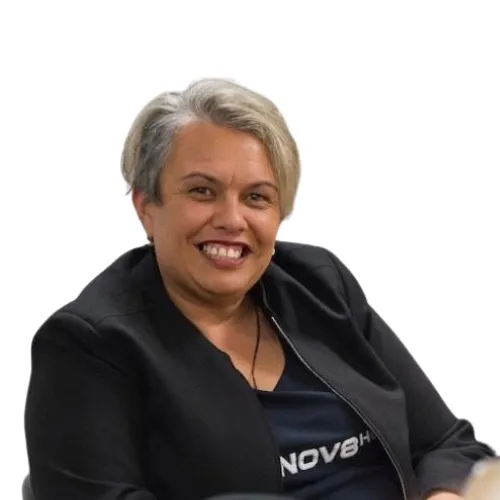
Heidi Renata
Ngāpuhi, Ngati Pakihi, Ngati Rehia | CEO and co-founder of INNOV8HQ
Heidi Renata, CEO of INNOV8HQ, brings over 25 years of tech and leadership experience, integrating technology with human-centred, bicultural leadership. She delivers training focused on personal branding, leadership development, and values-driven community building, blending her deep cultural heritage with modern innovation to empower individuals and organisations.
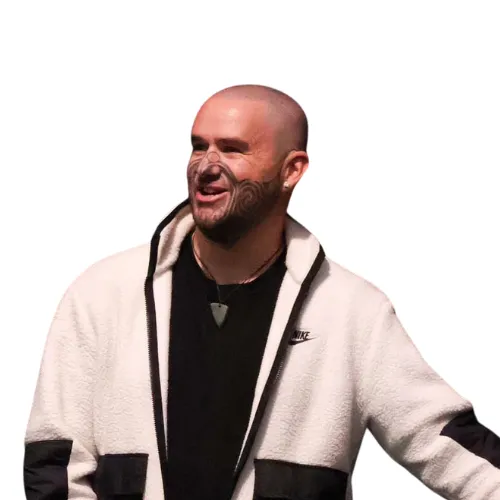
Pairama Wright
Ngā Ruahine, Kāti Māmoe, Te Āti Awa | Business owner | Digital content creator | Artist | Reo Kaiako
Pairama is a dynamic content creator, facilitator, artist, and Te Reo Māori tutor who is passionate about inspiring rangatahi to thrive. He wants to ensure that rangatahi pursue their dreams whether it be creating businesses, working in industries that they're passionate about, or a life that is simply mana enhancing. He draws on his personal journey of overcoming challenges and building his own successful ventures.
Pairama wants to empower rangatahi to harness their potential, turn their ideas into reality, and create meaningful change in their communities. His story is one of resilience, creativity, and determination. Pairama’s commitment to uplifting rangatahi reflects his belief that everyone has the power to shape their future.
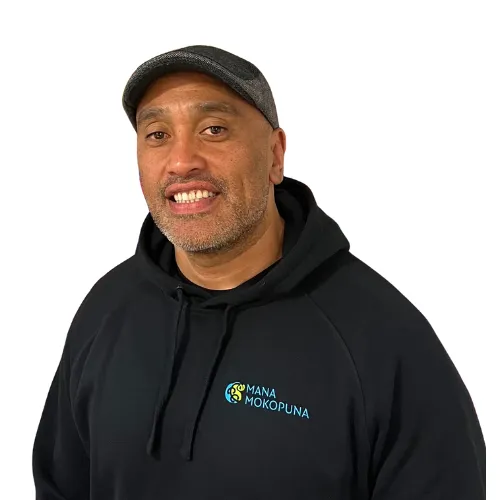
Parani Morgan
Kaitohutohu | Advisor | Mana Mokopuna
Parani works at Mana Mokopuna as part of the participation and engagement team, where they connect with rangatahi across Aotearoa to provide opportunities for them to participate in matters that concern them.
Parani is a youth worker by trade, working alongside young people through sports, church youth groups, and schools. He believes that ‘children are the future and he’ll teach them well and let them lead the way’.
Jordaan Tuitama
Kaitohutohu | Advisor | Mana Mokupuna
Ko Taupiri te maunga
Ko Waikato te awa
Ko Tainui te waka
Ko Waikato-Tainui te iwi
Ko Ngaati Parue te hapuu
Ko Horahora te marae
Ko Kingi te whānau
Ko Jordaan Tuitama tōku ingoa.
Jordaan is currently an advisor at Mana Mokopuna (Children and Young Peoples Commission). He has worked in various roles across the youth, community, and education sectors, including positions at Te Ruunanga o Kirikiriroa, NZ Police, MSD social sector trials, and Te Wānanga o Aotearoa. Hood-raised and creative, Jordaan is a passionate advocate for rangatahi across the motu.
Nō reira, tēna koutou, tēna koutou, tēna koutou katoa.
Dr Kirsten Davis
Clinical psychologist
Dr Kirsten Davis is a clinical psychologist who has two decades of experience as a therapist, consultant, and trainer in mental health and wellbeing across care and protection, schools, private and corporate settings, and community mental health. She has a specific interest in adolescent psychology, assessment and treatment of suicidal and self-harm behaviour, and the role of emotion regulation in these and other impulsive behaviours. Kirsten is an expert in Dialectical Behaviour Therapy (DBT) and is a director and trainer for DBTNZ and DBT Training Australia (international affiliates of the Linehan Institute).
Kirsten is also the co-founding Director and CEO of The Psychology Group (TPG), a group psychological practice that grew from her vision to bring together an expert team of highly qualified professionals who are passionately dedicated to delivering accessible evidence-based therapies and training to individuals, whānau, and professional organisations.
Horiana Jones
Te Arawa waka, Tuhourangi Ngāti wahiao, Ngāti Tuwharetoa, Ngāti Raukawa ki te tonga | Registered clinical psychologist | Co-team leader | Oranga Tamariki’s (Child Protection Services) Bay of Plenty Clinical Services
Horiana Jones is a registered clinical psychologist and co-team leader of Oranga Tamariki’s (Child Protection Services) Bay of Plenty clinical services.
She is a DBT-trained clinician, a co-investigator on an FASD prevalence study, an active member of He paiaka Tōtara (National Māori psychologist rōpu), and a business owner working in private practice, consulting, and cultural supervision.
Horiana co-developed Tai Ki Uta; a matauranga Māori informed marae-based skills group where she teaches dialectical behaviour therapy skills over 16 weeks to rangatahi (adolescents) and whānau.

Dr Emily Cooney
Clinical Psychologist | Senior lecturer | Otago University
Dr. Emily Cooney has extensive experience working with children and adults in inpatient and outpatient settings across the US, UK, and New Zealand, with a particular focus on dialectical behaviour therapy (DBT). She is a senior lecturer at Otago University and an adjunct assistant professor at the Yale School of Medicine. At Yale, she co-directed the DBT and DBT for substance use disorder teams within an intensive outpatient program.
Emily served as a research therapist on two trials of DBT under Dr Marsha Linehan and was the principal investigator on two DBT feasibility trials in New Zealand. One examined DBT for self-harming adolescents and the other trialled DBT skills training for men with anger-related problems.
She provides training and consultation in DBT via Behavioural Tech as well as DBTNZ, and her current research focuses on whānau-oriented intervention and people experiencing family violence and suicidal thoughts and behaviour.
Dr Sarah Leadley
Senior lecturer | Waipapa Taumata Rau | University of Auckland
Sarah is a registered psychologist and behaviour analyst(BCBA). She is a senior lecturer atWaipapa Taumata Rau (University of Auckland). For over 16 years, she has provided behavioural services for childrenwith and without disabilities. Sarah’s PhD and ongoing research focus onhome-based behavioural interventions to support tamariki to progress from tubefeeding to eating.
Dr Jamie Kampen
Registered clinical psychologist | Co-team leader | Oranga Tamariki’s (Child Protection Services) Bay of Plenty Clinical Services
Jamie is a clinician trained in dialectical behaviour therapy (DBT) and has recently completed a three-year program in Mahi Wairua Practice under the guidance of Tohunga Wiremu Niania and Kōkā Lesley Niania. Jamie co-developed Tai Ki Uta; a tikanga and matauranga Māori informed skills group in which dialectical behaviour therapy skills are taught over a 16-week period.

Shane Murdoch
National Practice Lead | Voyce-Whakarongo Mai
Initially training as a nurse and alcohol and drug counsellor, Shane is a relational child and youth care practitioner who has been in senior practitioner and management roles in out-of-home care for children and young people over the past 25 years.
He was a member of the inaugural management team during the establishment of Te Poutama Arahi Rangatahi (The Steps to Guide Youth), a residential treatment programme for adolescent males at high risk of harmful sexual behaviour, operated by Barnardos New Zealand. His time with Barnardos included a national role undertaking a full review of all residential careprovided by the organisation and recommending a shift in philosophy and practice towards a relational child and youth care approach.
As chief executive of Cholmondeley Children’s Centre for eight years, a former children’s home providing respite care, he led an organisational restructure to enable the introduction of a rights based, child centred philosophy of care and a practice model entrenched in Relational Child and Youth Care principles. His time there included the rebuilding of the facility after the 2011 Christchurch Earthquakes, where the voices of children were critical to the design process.
He is also at the dissertation stage of a Masters in childand youth care studies through Strathclyde University in Glasgow, a programme based within a relational child and youth care approach
Shane is currently National Practice Lead for Voyce-Whakarongo Mai, an independent non-government organisation established to advocate for the approximately 4500 children and young people in the Aotearoa statutory care system.

The Hive
Season four
The Hive is a dynamic project born from a collaboration between taiohi (young people), the Ministry of Youth Development, and the creative agency Curative. Representing 17% of the population and 100% of the future, young people’s voices are crucial in decision-making processes, and The Hive aims to amplify these voices.
Season Four of The Hive is co-designed by 16 passionate young leaders known as "Hivers". This group is comprised of seven tuakana (returning members) — Lochie, Elliot, Eilidh, Joanne, Malisha, Sean, and Tia — and nine teina (new members) — Keanu, Tahuariki, Rosalie, Pieta, Rebecca, Michael, Hannah, Magdalene, and Sam.
The Hive serves as a bridge between taiohi and the government. This rōpū (group) of young people works to demystify the world of politics, engage with their peers on issues that matter to them, and support decision-makers in incorporating youth voices into their work.
Lisa Herewini
Incredible Years® mentor
Lisa is a registered social worker working with the Ministry of Health’s Child Adolescent Mental Health Services in Tauranga. Lisa joined the health sector with over 20 years’ experience working with children and their whānau in the non-government sector of social services. She holds a post graduate Diploma in Professional Bi-Cultural Supervision and leads the Incredible Years Māori workforce development plan and advisory group with Auckland University’s Whāraurau Team.
Lisa's journey with the Incredible Years began in 2004. She is experienced in delivering the preschool, school age and autism programmes, and is an accredited peer coach and group leader for Incredible Years - Parents. Lisa has also become our first Māori accredited mentor in Aotearoa New Zealand, and delivers fidelity workshops, consultation days, kaimahi hui, telehui, and co-leads trainings for Incredible Years - Parents.
Above all else, Lisa descends proudly from the Mataatua Waka. Her passion for children and whānau stems from her own experiences, having been raised on her papakainga, immersed in the cultural traditions of her whānau, hapu and Iwi. Ma te atua, hei manaaki.

Jessica Stubbing
Ngāti Awa, Ngāi Takoto, Te Rarawa | Research Fellow | Koi Tu: The Centre for Informed Futures
Jess Stubbing is a clinical psychologist and researcher from Tāmaki Makaurau. Jess is based at the Koi Tu youth mental Health Research team, and conducts work focused on improving our understanding of and response to young people’s mental health and wellbeing needs.

Anna Dickson
Incredible Years® Mentor
Anna Dickson is a Registered Psychologist who has extensive experience working with children, adolescents and their families. Her specialist areas are trauma, anxiety, parenting, working with neurodiverse children and young people. She is an experienced clinical supervisor and has provided supervision for Massey University Intern Psychologists as well as experienced Psychologists and other Health and Education colleagues. She has worked with Explore Specialist Services where she provided behavioural support to adults and children with neurodiverse conditions. She currently works for the Ministry of Education and in private practice.
Anna is an Accredited Mentor for IYT, Accredited Peer Coach in IYT-A and Accredited IY Parent Group Leader.

Mike Smith
Ngāti Kahu, Ngāpuhi ki Whangaroa | Iwi chairs forum climate co-chair
Mike Smith is a dedicated climate activist and social worker known for his advocacy for environmental and social justice. With a strong focus on Maori and community empowerment, Mike leads grassroots movements, challenging systemic inequalities and fighting for a sustainable, equitable future for all.

Rachel Kent
Senior investigations manager
Prior to being a lawyer Rachel was a social worker for 13 years and worked with a number of different groups - children, families, older adults, refugees. Rachel then did a law degree in her 30's and has mainly worked for professional regulators including the Medical Council, Social Workers Registration Board, Veterinary Council, Real Estate Agents Authority and the Teaching Council.
Rachel was the first lawyer at the Social Workers Registration Board and wrote their Code of Conduct. Rachel has been a convenor of performance assessment committees which do competence assessments on doctors since 2013, and she currently sits on the Psychotherapists Board as a lay member.
Elen Nathan
Occupational therapist and certified sensory integration practitioner
Elen has over 20 years of experience working with children and adults who have diverse needs. She has specialised in autism and sensory processing differences, which has led her to work in leading organisations including Autism New Zealand, The National Autistic Society (UK) and Autism Victoria (AUS).
Elen is passionate about working with neurodivergent people to build their self-esteem through understanding themselves better, as well as upskilling the people and systems around them to be able to provide better understanding and support.

Ruth Browning
Safeguarding consultant
A social worker for 23 years, Ruth has a wide range of experience working with children, youth and their families in both non-government and government organisations. Ruth is passionate about creating healthier and safer communities where children and young people can thrive.
Ruth has a PGDip -Social and community work, MSc - Social research
Kelly Mahuika
Safeguarding consultant
Kelly is a registered midwife and holds a current practicing certificate. She has been working in the maternal and child health sector for over 10 years.
She has a demonstrated history of working in the medical practice industry as a clinician, project manager, and consultant. She is adept at leading multidisciplinary teams both in the public and private sectors. By merging her experience in clinical midwifery alongside her desire to see all children and families thrive, she is able to deliver safeguarding education and training that offers the sharing of knowledge, as well as feasible ways to use new skills in clinical practice.
Kelly’s other roles include pregnancy to parenting educator for the NMDHB, casual core midwife, and project lead for the Well Child app.
She holds a Bachelor of Science, post-graduate certificate and diploma in Midwifery from Ara and Otago Polytechnic Institute of Technology respectively, as well as a Bachelor of Arts in History with a minor in Women’s Studies from the University of Hawai’i
Aly McNicoll
NZCMC Director
Aly McNicoll has been involved with coaching and mentoring in NZ and Australia for the last 12 years, with a particular interest in training. She has refined techniques for both introducing coaching as a skillset and promoting learning as a way of being in teams and organisations.
Aly is a regular presenter at international conferences (American Society for Training & Development Conference, European Mentoring & Coaching Council Conference) where her specialist skills in peer learning techniques have led to her spending increasing proportions of her time working with clients in Australia, the UK and the USA.
Aly is a member of the European Mentoring & Coaching Council and an international associate of Clutterbuck Associates (UK).
Prior to her corporate training role, Aly has led leadership and management programmes at Unitec Institute of Technology, where she also spent four years training tutors in the staff development unit. She is also a qualified counsellor.
Ally has a B Ed (Adult Ed. & Training), Cert. Training and Development, and MNZATD
Jo Appleby
Lecturer | AUT
Jo worked therapeutically as a social worker from 2007 and holds postgraduate qualifications in mental health and cognitive behavioural therapy. Much of Jo's clinical experience has been with young people and families who have experienced trauma. Jo has also conducted further research in the areas of collaborative and trauma-informed care and youth mental health.
After working in mental health services for 16 years, Jo now teaches in the postgraduate mental health programme at AUT. She has undertaken PhD research on effective ICAMHS care for young people involved with Oranga Tamariki.

Catherine Gallagher
Clinical practice manager | START
Catherine is a clinical psychologist with over 20 years of experience working in public, private and educational settings. She has been the clinical practice manager at START for the last 13 years where she supports staff and provides community education around the topic of sexualised harm. In her private practice she sees clients of all ages, provides professional supervision, and does a lot of community and professional education in a number of settings.
START is an NGO that supports children, youth and adults who have experienced sexualised harm.
Tanith Petersen
Ngāti Porou | COO | He Waka Tapu
With over 25 years of management experience across various sectors, including business ownership and for the past 13 years, Wendy has proudly contributed to the Kaupapa Māori NGO He Waka Tapu. There, she focuses on reducing barriers to service access and systems, streamlining processes, and fostering a positive and enjoyable workplace culture. She championed the implementation of a 4-day work week, emphasising 100% output efficiency in 80% of the time, prioritising wellbeing and productivity for the workforce.
Wendy thrives in environments that embrace a balance of professionalism and fun. She enjoys crafting flexible solutions tailored to the unique demands of her audience, unafraid to question the status quo and explore innovative, outside-the-box strategies.
Jackie Burrows
Ngā Puhi and Ngati Hine | CEO | He Waka Tapu
Jackie Burrows is a highly experienced professional with over 26 years in the mental health, addiction, and health services sectors. She has been with He Waka Tapu (HWT) since 2012, starting as operations manager and advancing to chief executive officer in 2017. In her role as CEO, she has led significant projects, including the development of a $5 million community hub, the establishment of a social housing arm and a general practice clinic.
Before joining HWT, Jackie worked with Healthcare NZ Mental Health and Addiction Services as the southern service manager and national operations manager, where she managed multiple regional teams and strategic business planning. Earlier in her career, she coordinated mental health services at Comcare Trust and supported clients in residential settings with PACT Southland and Healthcare Otago. Her diverse roles before 1996, included work in wool handling, fish factories, and dairy farm management, and have contributed to her broad skill set and leadership capabilities. Jackie holds a Master of Māori and Indigenous Leadership and a degree in Applied Business Management, among other qualifications.
Derek Ereatara
Ngai Tūhoe | Practice lead | Tūhoe Hauora
He uri tēnei nō Tūhoe Tāukiuki. Ko Tāneatua te kāinga tipu, ko te whārua o Rūātoki tāku whenua taurikura. Kua tata ki te tekau tau ahau ki Tūhoe Hauora. Ko taku aroha mō ta ku iwi, he mutunga kore. Anō nei, ko taku manawanui ki a Tūhoe Hauora, mō ake tonu.
Te Iwarangi Hare
Ngai Tūhoe | Quality assurance | Tūhoe Hauora
He tamaiti no te haahi ringatū. I tipu ake ahau i te kāinga, i Ruatoki.
Ko ōku kuia, koroua waku kaiako tuatahi ki Te Kōhanga Reo o Ruatoki, mai reira ka hūnuku atu ahau ki Te Wharekura o Ruatoki, ki reira otiai.
Mutu ana te kura, ka whai au i taku tohu (Bachelor of Humanities – DM Indigenous Studies and Indigenous Business) ki Te Whare Wānanga o Awanuiārangi. 2019 te tau ka whakapōtaehia ahau. I te tau 2021, ka tau mai waku waewae ki Tūhoe Hauora, ki konei mahi ai i raro i te maru o Rākeiwhenua.
Mate nui ahau ki taku whānau whānui, ki taku whārua, taku hapori, waku hapū me taku iwi anō hoki.
Ko te whāinga matua mōku i tēnei tūranga mahi ōku, kia waihangahia e mātau he huarahi hei whai mo a tātau tamariki, e whai wāhi ai rātau ki ngā hua nui katoa o tēnei ao.
Urikohu Teepa
Ngai Tūhoe | Executive assistant to CEO, executive administrator | Tūhoe Hauora
As a kaimahi of Tūhoe Hauora for the past 8 years, I’ve been privileged with many great learnings and opportunities to grow as a leader within a Kaupapa Māori organisation. In my executive assistant role, I have gained insight into what it takes to be a great leader that not only manages an organisation but also supports employees and ensures we provide the best service to the whānau we work with. In leading our administration team, I am to demonstrate the leadership qualities that have been role modelled to me.
Dr Ann York
Child and Adolescent Psychiatrist and co-founder of CAPA
Ann is a child and adolescent psychiatrist with extensive experience in children and young people’s mental health services in the NHS in London. Alongside her friend and colleague, Steve Kingsbury, she co-developed the globally recognised Choice and Partnership Approach (CAPA) in the early 2000s.
Ann possesses widespread expertise in policy development and service improvement in England and has held various senior leadership roles within the NHS. In addition to CAPA, she collaborates with young people and parents to co-produce further changes, particularly in crisis care and supporting parents and carers.
Ann has lived experience of neurodiversity; her eldest daughter has Asperger’s Syndrome, as did her father.
Henare Ruru
Ngai Tūhoe | Toi Kaiāwha, AOD counsellor, senior practitioner | Tūhoe Hauora
Henare’s career shifted from working as a tyre fitter in Whakatāne to becoming a clinical AOD counsellor at Tūhoe Hauora. He discovered a passion for helping youth through coaching rugby which led to a role at Tūhoe Hauora, where his dedication was recognised instantly. Pursuing further education, he now supports rangatahi and their whānau in overcoming addiction. He is of Tuhoe descent and deeply committed to the community wellbeing of our whānau.
Megan Grimwood
General manager – services | Youthline
Megan is a passionate advocate for youth mental health and addictions, and has a keen interest in health equity. Her career journey has been driven by a desire to tackle health inequalities and address the social, cultural, and geographical factors impacting hauora | wellbeing.
With a diverse academic background and experience spanning the public, private, and NGO sectors, Megan has navigated roles ranging from frontline clinical positions to quality improvement and strategic leadership. Her core philosophy revolves around maintaining a people-centred approach in all endeavours.
Aligned with Youthline's purpose and values, Megan finds resonance in contributing to this vital mahi, supporting her commitment to making meaningful strides towards a healthier, more equitable society.
Wendy Donaldson
Researcher, Te Pou
Wendy Donaldson is a researcher at Te Pou, specialising in evidence-informed approaches that strengthen mental health and addiction workforce development. Wendy has many years of experience with change and implementation in the education and health sectors. Her work is grounded in a commitment to ensure evidence is meaningful in practice.
In her role as a researcher, Wendy has worked on a number of literature reviews and resources on trauma-informed approaches and implementation.
Liz Turner
Clinical nurse manager of maternal, infant, child, adolescent mental health and addiction services (MICAMHAS) | Te Whatu Ora Whanganui
Before her current role, Liz served as the clinical nurse coordinator at MICAMHAS for nine years and as a clinician for seven years. In 2023, she briefly worked as a youth forensic liaison nurse for Capital and Coast DHB in Palmerston North, Whanganui, and Levin. She also has experience with the crisis team in Whanganui, and with elderly mental health patients in the UK.
At MICAMHAS, the Choice and Partnership Approach (CAPA) model of care has been evolving over the past nine years to include key performance indicators (KPIs), a comprehensive booking procedure, care bundles, and the full CAPA process. Due to the small team size, all clinicians, including Liz, engage in Choice and Partnership appointments, ensuring a collaborative, client-led approach that keeps clients and their whanau at the centre.
.webp)
Terry Clune
Senior youth justice mentor
As a member of the social services team at Highbury Whanau Centre, Terry works with young people, whānau and other professionals throughout the community. Terry works closely with OrangaTamariki and police youth aid to support young people within the youth justice sector. He assists young people in setting goals with a future focus on educational and training placements and improving on managing emotions that reduce offending thinking and behaviour.
Sir Robert Kinsela (Kim) Workman
Ngāti Kahungunu ki Wairarapa and Rangitaane
Sir Kim Workman (of Ngāti Kahungunu ki Wairarapa and Rangitaane) is a retired public servant, whose career spans roles in the Police, the Office of the Ombudsman, State Services Commission, and the Department of Māori Affairs. He was Head of the Prison Service from 1989 – 1993.
In 2000, Sir Kim was appointed National Director, Prison Fellowship New Zealand (PFNZ), and retired from that position in 2008. In 2005, Sir Kim was the joint recipient (with Jackie Katounas) of the International Prize for Restorative Justice. In 2006 Sir Kim joined with the Salvation Army, to launch the “Rethinking Crime and Punishment” (RCP) Project. In 2011 he formed Justspeak, a movement that involves youth in criminal justice advocacy and reform.
Sir Kim was awarded the degree of Doctor of Literature (DLitt Well) by the Council of Victoria University, and in 2017, the same degree by the Council of Massey University. In February 2018, Kim was awarded Senior New Zealander of the Year, under the New Zealander of the Year Awards Scheme. He was appointed a Companion of the Queens Service Order in 2007, and as a Knight Companion of the New Zealand Order of Merit in 2019.
Sir Kim was recently appointed to the Human Rights Review Tribunal and the NZ Parole Board. He represents the Kingitanga asco-chair on the Kawenata Governance Board, which manages a Memoranda of Understanding between the Kingitanga and the Department of Corrections. He also chairs the Independent Panel which oversees the ‘Understanding Policing Delivery’ project.

Shane Murdoch and Lisa McLaren
VOYCE - Whakarongo Mai
We are VOYCE– Whakarongo Mai, which stands for Voice of the Young and Care Experienced – Listen to me. Established in 2017, we are an independent charity organisation that helps to advocate for the approximately 6000 children with care experience (children in foster or whanau care) in New Zealand. We exist to amplify the voices of these children and ensure that they are heard – so as to positively influence their individual care and to collectively affect change in the wider care system. VOYCE was co-designed by children with care experience for children with care experience.

New Zealand Drug Foundation
Te Puna Whakaiti Pāmamae Kai Whakapiri
The NZ Drug Foundation | Te Puna Whakaiti Pāmamae Kai Whakapiri, works collaboratively on ground-breaking interventions and policies that reduce harm and demonstrate the change they want to see.
To achieve their vision for an Aotearoa free from drug harm they:
- Staunchly advocate for health-based and evidence-led drug laws and policies
- Develop innovative solutions and interventions to reduce drug harm
- Coordinate cross-sector groups to prevent and respond to acute harm
- Deliver harm reduction services and advice to keep our communities safe
- The Drug Foundation work alongside and collaborate with a wide variety of alcohol and other drug practitioners, government, ministries, health promotion agencies, not-for-profit organisations, scientists, researchers and individuals

Tania Anstiss
Incredible Years® Parent programme mentor and peer coach
Tania is psychology lead at the Infant Child and Youth Mental Health Service at Te Whatu Ora - Health NZ, Waitematā. She also works in the Matua Tuhononga (Infant Mental Health) team.
Tania is passionate about intervening early with whānau and tamariki and has always enjoyed providing support for whānau in their parenting journey. She has focused on workforce development for some years and is an accredited Mentor and Peer Coach in the Incredible Years® Parent programme. She also provides professional supervision through her private practice.
Tania has a national leadership role as president of the New Zealand Psychological Society and is a strong advocate for the psychology workforce in Aotearoa.
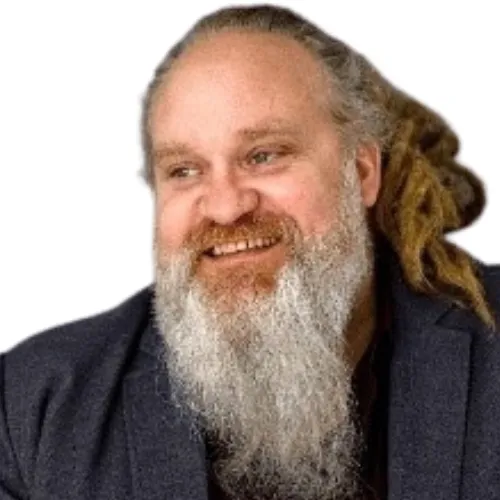
Dr. André McLachlan
Ngāti Apa, Muaūpoko | Clinical Specialist Design and Development | Te Rau Ora
André McLachlan is a Clinical Psychologist and Addictions Practitioner based in the Waikato. He has a range of experience in research, lecturing and workforce development roles. Andre has lived experience with kanorau-a-io (neurodivergence; ADHD & ASD) and is a father of six including Te Iho Tataia Rongo (FASD). He has specialist interest in indigenous approaches to mental health, trauma, addictions and neurodiversity.
Andre enjoys creating and delivering interactive workshops to practitioners and whānau that enhances people’s engagement in new learning and increases motivation to learn more and directly apply new skills to their practice and whānau.

Michelle Baughan
Kaihautū Oranga | Clinical team leader | Child play works child centred play therapy intern
Michelle has worked in the social service sector for 14 years, spending 10 years at Mirror Counselling Service as a child and adolescent counsellor, intake coordinator and the current Co Kaihautū Oranga - clinical team leader for the counselling team. Additionally, Michelle is an intern as a Child Play Works Child Centred Play Therapist.
Michelle’s passion is working with children who have experienced relational and developmental trauma and attachment work with parents and caregivers.
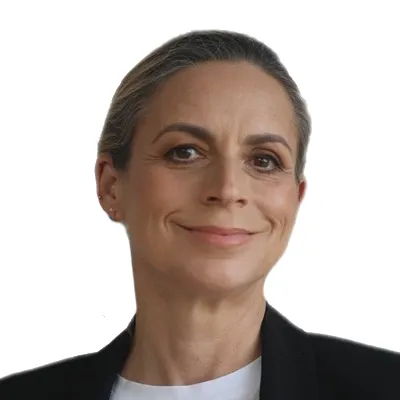
Dr Susan Sharp
Child and adolescent psychiatrist
Dr Susan Sharp is a fellow of the Royal Australian and New Zealand College of Psychiatry with an Advanced Certificate in Child and Adolescent Psychiatry. She currently is based in Auckland at Te Toka Tumai where she works with children and young people with eating disorders.
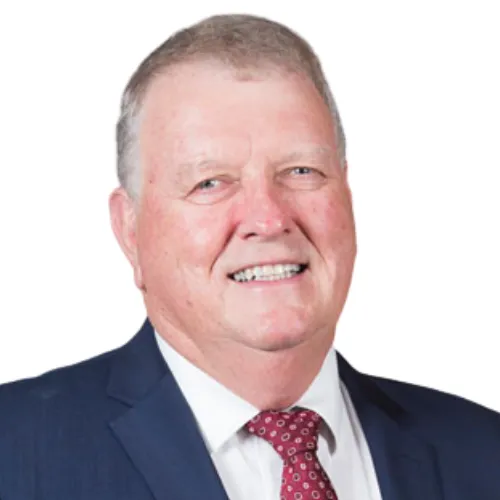
Professor Matt Sanders
Professor of clinical psychology and founder of the Triple P – Positive Parenting Programme
Professor Sanders is a proud New Zealander who completed his primary (Kelston Primary School), intermediate (Avondale Intermediate School), secondary (Kelston Boys High School), undergraduate, and master's at the University of Auckland.
Matt transferred to the University of Queensland in 1979, where he completed his PhD studies in clinical psychology in 1981. He has been on the academic staff at the University of Queensland since 1979.
Matt has maintained strong academic connections with colleagues from education and psychology in a number of New Zealand Universities since moving to Australia.
The first foundational studies that formed the basis of Triple P began in Auckland in1978 with families primarily from South Auckland.
Matt has been a regular visitor to NZ and held an adjunct professor position in the Faculty of Education, where he has been involved in collaborating with local researchers in conducting multiple RCT’s on the effects of Triple P with NZ families. He has personally trained all Triple P trainers in New Zealand and maintains regular contact with Triple P NZ.
Matt is strongly committed to making culturally informed evidence-based parenting support accessible to all NZ families.

Helen Duyvestyn
One Life - Mental Health & Well-being
Helen has worked in the area of psychiatry for 15 years in Counties Manukau region as a crisis nurse, DAO and a clinical nurse specialist in mental health. She now runs her own business specialising in mental health and well-being using a holistic approach. A key focus is on lifestyle and nutritional medicine.
Helen is a registered comprehensive nurse, and has a Master’s in Health Science, Adv. Diploma in Nursing, and is a Cert. Life Coach.
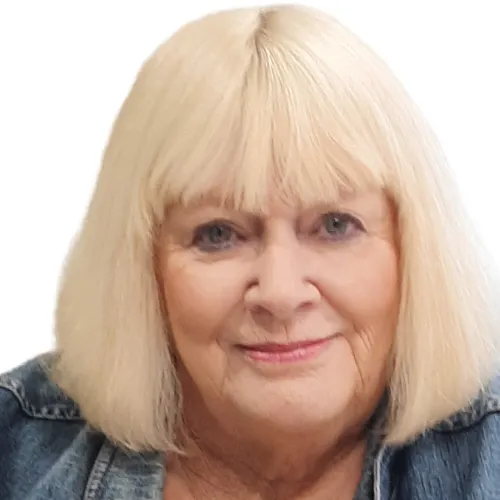
Di Thomas
Regional Incredible Years® coordinator | Ministry of Education
Di has held a varity of roles as a pracitionery in early intervention, behaviour intervention and as a national and regional behaviour trainer.
She has been delivering the Incredible Years® Parent programme since 2010 and Incredible Years® Toddler since 2018. Di is a peer coach to several group leaders and delivers fidelity training when required.
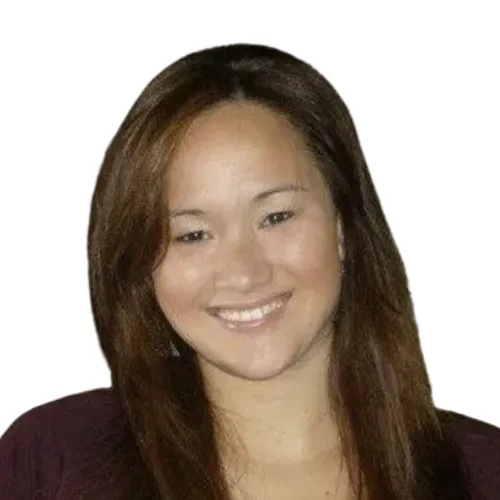
Natascha Lawrence
Co-founder of the FASD Institute
(Fatima) Natascha Lawrence is a registered clinical counsellor, BC registered play therapist, certified synergetic play therapy supervisor and EMDR practitioner. She is a BIPOC first-generation Canadian settler of mixed Asian ancestry, an ADHDer, Queer and has a mobility disabilitydue to a chronic pain neurological condition.
With almost 20 years of experience, Natascha specialises in neurodiversity, particularly with FASD. Natascha has experience working with clients across different modalities and systems, including schools, hospitals, community mental health, and private practice, and has worked with individuals from birth to adulthood, couples and families.
Dedicated to enlightening the world to see through the beauty of a neurodiversity lens, Natascha is the co-founder of the FASD Institute, which provides counselling, supervision, and education to clinicians, individuals, and families. Natascha is the creator of the Empowering Neurodiversity (END) Model™, a framework that guides clinicians on dismantling racism, ableism, oppression, and decolonizing their practices to empower neurodiversity.
Most importantly, Natascha is the parent of two incredible neurodivergent children, one who has FASD.
Natascha has an M.A., RCC, BCRPT
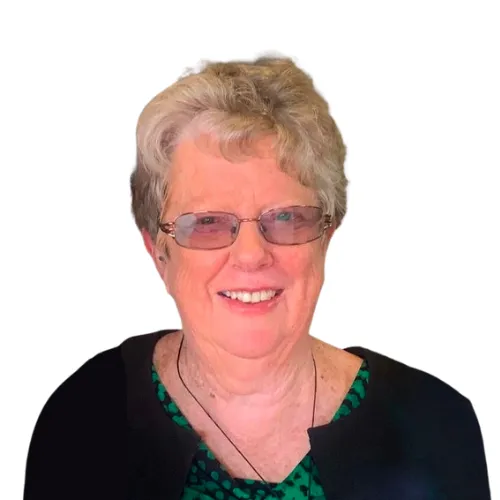
Leigh Henderson
Chair, FASD-CAN
Leigh Henderson is a geneticist and toxicologist who has had a career in academia, industry and government. She is a lived experience FASD expert as a result of the probable FASD diagnosis of a family member. She is Chair of FASD-CAN, the national organisation for families and professionals who support individuals with FASD, and the individuals themselves. As such she has an in-depth awareness of the mental health and addiction issues affecting many people with FASD.
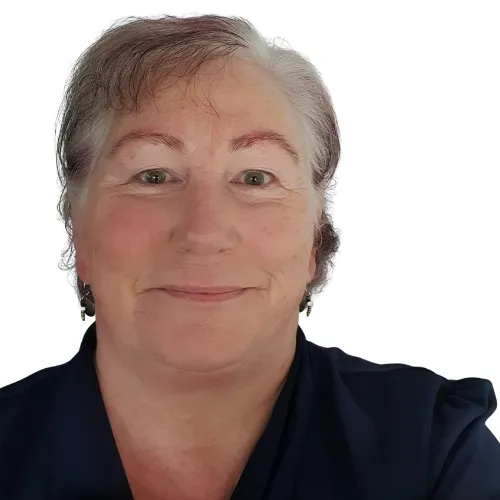
Kim Milne
Principal Advisor | FASD-CAN Inc. Aotearoa
Kim Milne is a parent to a young adult with FASD. She found she has had to educate all those interacting with and supporting her son. Kim has a keen interest in mental health and FASD-informed practice and is motivated in her mahi to address the many inequities facing people with FASD and their whānau.
Kim holds qualifications in history, political science, international politics, social work, and business management, and has worked for the government in various capacities for many years.

Eva Corson
Family Works Northern
Eva Corson is a German born, New Zealander, who has trained in multi-systemic family counselling before coming to New Zealand over 20 years ago. She has been practising as a family counsellor and social worker since then.
Eva currently works for Family Works Northern and her chosen modality is solution-focused therapy when working with taiohi. She believes it allows her to be creative while not losing sight of the client’s hopes, as well as the disciplined and focused methodology of SFBT.
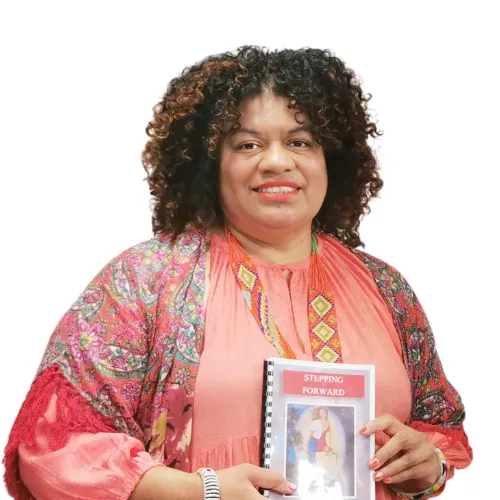
Annah Pickering
Regional coordinator, Tamaki Makaurau Auckland Branch | NZPC, Auckland City Mission, Stratcom Security
Annah Pickering is the regional coordinator of Tāmaki Makaurau NZPC Branch and has been involved in NZPC since 1999. She is a passionate advocate for sex workers rights globally and has presented on the issue at many local and international events as a representative of NZPC. Annah regularly provides commentary for media on sex workers rights issues, participates in field research, and provides guidance to researchers and policy makers.
Her expertise covers peer support, outreach worker, advisory roles working in areas of youth involved in sex work, migrant sex workers, Needle Exchange programme, supporting workers exiting institutions (in and out of care, exiting prisons, deportees, refugee), working alongside rainbow gender diverse workers, advocating for workers who are rough sleeping, homeless, family harm (domestic violence) working in a complex areas that needs crises intervention and prevention.
Dianne Lees
Incredible Years | Mentor, Peer coach Parent Programme
Dianne is a clinical psychologist with many years of experience working with children and families. She has a background in secondary school teaching and playcentre early childhood, before retraining as a clinical psychologist. Her journey with Incredible Years began in 2001 when she completed her basic parent training. Back then, Dianne had a dream to see all parent, child and teacher Incredible Year programmes available in New Zealand and introduced IY to the health and education sectors in New Zealand.
Her research includes an evaluation of the effectiveness of Incredible Years Parent Programme for solo mothers of children with ADHD, and an RCT evaluation of adding a home visiting intervention to improve outcomes for high risk families attending IYP. Dianne is experienced in delivering baby, toddler, basic, school age, advanced and autism parent programmes. She is a mentor in the parent programme and peer coach in parent autism. Dianne continues to deliver group leader training, peer coaching and support for IY facilitators in NZ.

Adrienne Ansley
Resource teacher learning and behaviour | Incredibly Years Teacher facilitator / coach
Adrienne has been an RTLB for 25 years and and IYT facilitator and coach for 14 years. She facilitates at least two programmes a year for IYT and has been a part of IYT Aide programmes. She is also trained as an IY Autism Teacher.
In addition, she coaches RTLB and ECE facilitators face-to-face and online as well as facilitating the running of Taranaki regional IY days.

Sandra Pickering
Resource Teacher Learning and Behaviour (RTLB) | Te Parirau o Tainui Waka Morrinsville Intermediate | Firth Primary in Matamata
Sandra is primary trained and has taught at various levels through to intermediate and worked as a resource teacher special needs prior to the RTLB service being established. She was part of the original “Green Group” who trained in 1998 with the consortium of universities and has worked in primary, intermediate and secondary as an RTLB. She trained in the Incredible Years Teacher programme in 2010 as a Peer Coach for the Teacher programme in 2012 and is accredited in both. She is currently working towards accreditation as a mentor in the Teacher programme to support RTLB in their delivery at primary level.
Kathleen Corrigan
Incredible Years | Trainer & Implementation Specialist
Kathleen is a trainer for IY Classroom Dina, Teaher Classroom Management, and Incredible Beginnings Teacher programe. She provides on-going implementation support and consultation, as well as doing fidelity reviews for accreditation.

Lee Taylor-Burt
Incredible Years Facilitator
Lee Taylor Burt is a mentor for the Teacher Autism programme in New Zealand. She has a teaching background in kindergarten and has specialised in early intervention. She currently delivers the Incredible Years parent, teacher, teacher autism and Incredible Beginnings programmes. She trained in and previously delivered the Dina Dinosaur small group programme. Lee peer coaches group leaders delivering the parent, teacher and teacher autism programmes.
Lisa Christensen
Incredible Years Teacher programme mentor-in-training and peer coach
Lisa is a Resource Teacher of Learning and Behaviour from Ōtautahi Cluster 35. She has a Masters in Specialist Teaching and has workedwith a diverse range of young people, their family/whānau, as well as school eams in special schools and mainstream settings.
She first trained in the Incredible Years Teacher programme in 2013 and is an accredited group leader and peer coach.
She is also trained in the Incredible Years Autism Teacher programme. Lisa is a member of the Incredible Years Teacher Practice Team and supports group leaders from around the country with their questions about IYT practice and delivery to ensure the programme is delivered with fidelity.
Kim Thomson
Incredible Years Mentor
Kim Thomson is an accredited Incredible Years Teacher Mentor, accredited Autism Teacher Peer Coach, Registered Educational Psychologist and Early Childhood Educator.
Her areas of interest are Incredible Years Teacher and Parent, Early Intervention
Kim is passionate about mentoring and supporting Incredible Years workforce development.
Marthinus Bekker
Clinical psychologist
Marthinus is a clinical psychologist with a range of experience in clinical work, research, and teaching across public, university, and private settings. Clinically, he has worked in roles ranging from child adolescent and family services, through to inpatient and forensic services. He has experience in conducting clinical and neuropsychological assessments, as well as delivering a wide range of cognitive, behavioural, and acceptance-based therapies, with a particular focus on dialectical behavioural therapy.
Marthinus has a MBSc, MSc(Dist), & PGDip Clin Psych,(Otago) PhD (ANU), DBT-LBC, MNZCCP
Tipene Pickett
Counsellor and MI practitioner | Motivational Interviewing Network of Trainers (MINT)
Tipene Pickett has been an alcohol and drug counsellor forthe past 20 years. He possesses his own recovery story and has worked acrossvarious settings, including governmental, NGO’s, and in a private capacity. Hehas a background in group facilitation, motivational interviewing, relapse prevention,as well as Tikanga Māori based ways of healing, including Te Whare Tapa Wha(the four sides of the house), Powhiri (process of engagement), Poutama(Journey of healing and enlightenment), Pātūwatawata o te Marae (The palisadesof the Pā), and others.
As a practitioner and trainer of trainers in MI, Tipene wasexposed and “converted” into an MI practitioner in 2002 when a well-knowninternational trainer of trainers and researcher - Terri Moyers - had themutilise it on themselves. The changes that occurred in Tipene in a very shortspace of time were profound, leading to a desire to become familiar with this counsellingmodality.
Having undergone two train the trainers trainingexperiences, one MINT-endorsed in 2010 with Steve Martino and Joel Porter, andthe second being a MINT-endorsed Train the Trainer training in 2013 in Krakow,Poland, Tipene has a special interest in the relationship between Tikanga Māoriand MI. He has developed a model utilising the Pātūwatawata and Pōwhiriprocess, which includes the conversation of change that MI offers by making itTikanga consistent and acknowledging both the indigenous and western worldviewand processes.
As a member of the Motivational Interviewing Network ofTrainers, Tipene is part of a global community of people who share a similarvision of change and scrutiny of professional practice to be the most effectiveclinicians possible by embracing the way of being MI offers.
Tipene holds a P Grad Cert Health Sciences, BA Soc Sci –Psych & Anthro, is a Member of Motivational Interviewing Network ofTrainers (MINT), and is a DAPAANZ registered practitioner and supervisor.

Karlie Willis
Cultural clinical educator | Learning and Development, MHAIDS, Te Whatu Ora, Capital, Coast, Hutt Valley and Wairarapa
Karlie is a registered social worker and co-existing practitioner. She has worked in the psychosis area for six years and has also been a member of the New Zealand Early Intervention in Psychosis Society since 2020. She is passionate about early intervention and recovery in psychosis.
Karlie has a Bachelor of Social Work with Honours

Eleanor Read
Registered mental health nurse | Wellington Early Intervention Service, MHAIDS, Te Whatu Ora, Capital, Coast, Hutt Valley and Wairarapa
Ele is a registered mental health nurse and has worked in the mental health sector for five years. She has worked in two early intervention in psychosis teams in the UK and New Zealand. She has a passion for Japan, heavy metal, animals, her dog, art (and mental health!)
Amanda Gourlay
Clinical coordinator | Wellington Early Intevention Service, MHAIDS, Te Whatu Ora, Capital, Coast, Hutt Valley and Wairarapa
Amanda is a registered occupational therapist with over 25 years experience in mental health sector. She has a passion for working with youth, seeing growth, early intervention and recovery in psychosis.
She has a Bachelor of Health Science (Occupational Therapy)

Rachel Kain
Senior advisor and educator | Shine
Rachel has been a senior advisor and educator at Shine for over three years, and previously has worked in a frontline capacity with people experiencing family violence in the community.
Rachel spent time in Duluth with the Domestic Abuse Intervention Programme and was involved with the Palmerston North Women’s Refuge, both as a volunteer and a member of the Board of Governors.
Rachel has a Master’s Degree in Social and Community Leadership.

Joanne Teina
Ngati Apakura, Ngati Maniapoto
Joanne established Wananga Hapuutanga in Tamaki-Makaurau 31years ago and has her own lived journey with perinatal mental health challenges.
She continues to provide wananga for many providers, focusing on restoring the mana of birthing to whanau.
Joanne believes restoring traditional knowledge and practices is key to reducing the negative statistics for Māori in the perinatal mental health space.
She is the kaumatua for PADA and has created a trauma-informed perinatal mental health workshop Hine tu Hine Ora.
Her vision is simple - Aotearoa being a place where Kaupapa Māori approaches to perinatal mental health are valued and all parents to have the resources to provide the best possible start for their pēpi.
Her mission is to ensure that the inequities within maternity and perinatal mental health services are eliminated.
Tracey Rountree
ADHD parent coach | Training facilitator
Tracey has facilitated parent courses and professional workshops on ADHD for over 10 years. Through her lived experience of ADHD, Tracey can bring a personal perspective of raising ADHD children and being diagnosed with ADHD as an adult.
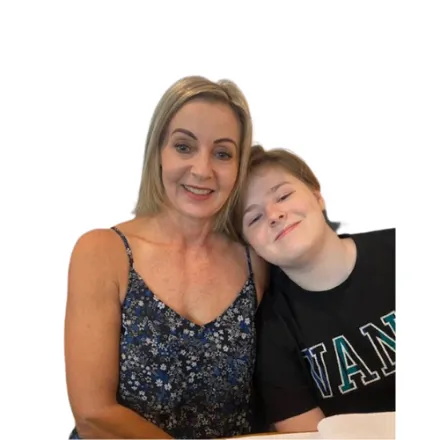
Lynne Hansen
Specialist Facilitator | Altogether Autism
Lynne joined Parent to Parent and Altogether Autism in 2014as a coordinator and worked as a facilitator for PRISM. Lynne currently works as a contracted facilitator for Altogether Autism and has been providing accessible online training for educator’s parents and professionals in partnership with the “Safe for Children” educational platform since 2019.
The workshops that Lynne facilitates range from introductory professional development training in supporting autistic tamariki, to more in-depth training around supporting autistic rangatahi. She also provides inhouse training specific to groups requesting professional development through the Safe for Children platform. She has had experience presenting to various groups such as the NZSTA around inclusive education and served for several years on a high school board. Lynne also collaborates with other organisations within the community and other providers within the Safe for Children network.
Lynne has a lived experience of supporting someone with autism and is passionate about educating and creating more awareness about autism to support whanau.
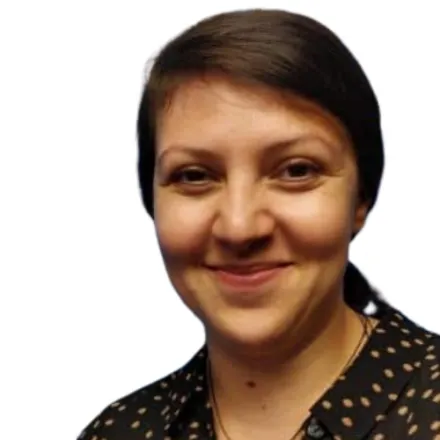
Sanam Bagherian
Autism specialist facilitator | Altogether Autism
Sanam Bagherian is autism specialist facilitator and has a strong interest in autism and neurodiversity. Her Ph.D. focused on autism, which included delivering psychoeducational programmes to support parents with autistic children for several years, and more recently has worked with autistic adults.
Sanam has published over six studies and presented at events including the 5th World Congress on Positive Psychology (July 2017). She is passionate about sharing up to date, in-depth and reliable neurodiversity and autism information, and developing practical strategies for the community.

Sheila Russell
Incredible Years Facilitator
Sheila has a background in early childhood education having worked as a kindergarten teacher and early intervention teacher in schools and preschools. She has also worked extensively with families.
Over the last 10 years she has worked fulltime delivering the Incredible Years programmes, and is an accredited peer coach in the Incredible Years Parent, Teacher, and Teacher Autism programmes. Sheila is also trained in the small group Dinosaur programme and Incredible Beginnings programme.
She is a mentor in the Incredible Years Autism Teacher programme in Aotearoa New Zealand.

Grayson Goffe
Social activator, community activist and Kau-design practitioner
Grayson is a community focused kau-design practitioner, actor, artist, and community event facilitator. He brings together his own lived experience of intergenerational trauma and Parihaka-tanga, with a profound dedication to resilient communities. Grayson intentionally positions himself within resilient communities, viewing adversity as fertile ground for growth.
As a co-founding director of Mauwai, Grayson works towards connecting transitioning youth with indigenously responsible learning environments. Mauwai’s bold vision is to showcase the immeasurable value of indigenous interaction, cultural stewardship, and self-expression in reaffirming mana motuhake (self-determination).
Driven by the transformative potential of mana-enhancing, regenerative-taiao based frameworks, Grayson also founded Whakamana, a Kaupapa Māori social enterprise. Whakamana's primary focus is nurturing and nourishing identity and community. Collaborating with Auckland Council the initiative delivers "Te paparahi toi Māori" guided tours, providing a unique lens of Te Ao Māori (the Māori worldview) to the wider community and visitors. These meticulously curated tours are hosted by resilient members of Tamaki Makaurau's community, offering an authentic and immersive experience of the city.
Grayson actively champions indigenous knowledge, cultural stewardship, and self-expression through his work with Mauwai and Whakamana, consistently demonstrating the interconnectedness of vision for resilient communities and the transformative power of embracing indigenous perspectives.
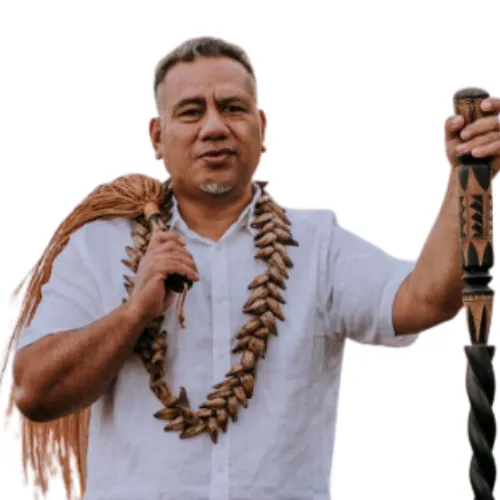
Dr Byron Seiuli
Clinical Psychologist
Dr Byron Seiuli is a Samoan clinical psychologist with over 25 years’ experience of working in the therapeutic environment in Aotearoa, NZ and the Pacific. As a senior Pacific researcher and health clinician, Byron brings extensive knowledge and experience in the areas of Pacific health, cultural training and supervision, family relationships, suicide prevention, sexual abuse, trauma, grief and loss, adolescence mental health, addiction, and clinical assessment and treatment.
Byron has published on Samoan and Pacific people’s well-being and his works on the Uputaua Therapeutic Approach and Meaalofa Counselling methods are well used in therapeutic circles in NZ and abroad.
Byron’s current work includes assessment and treatment for ACC, Department of Corrections, Kia Puawai, EAP and private contracts.

Dr Craig Immelman
Child & Adolescent, and General Psychiatrist
Dr Craig Immelman is a child, adolescent, and general psychiatrist in private practice in Auckland, and an honorary lecturer at the Department of Psychological Medicine at the University of Auckland. He is a graduate of the University of Witwatersrand, Johannesburg, and completed his post-graduate training in psychiatry in Auckland in 2001. He is also a Fellow of the Royal Australian & New Zealand College of Psychiatry.
Dr Immelman has broad clinical interests, is a Fellow of the Faculty of Child & Adolescent Psychiatry as well as a member of the section of Forensic Psychiatry (RANZCP). His special interests include Foetal Alcohol Syndrome, eating disorders and youth justice. He also consults to a number of district health boards. He provides expert opinion to courts and holds the designation of Specialist Assessor relating to Intellectual Disability.
Dr Immelman provides expert commentary for Behavioural Disorders Review.
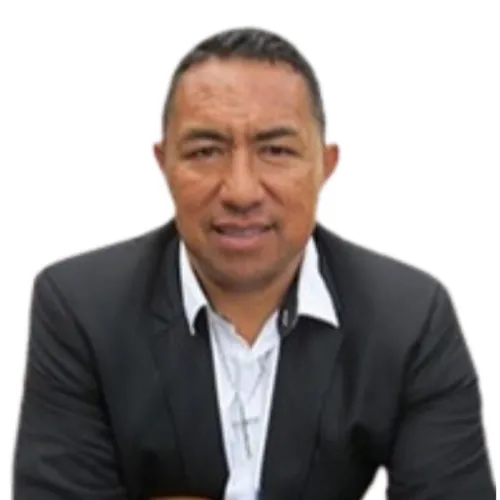
Patrick Mendes
Regional Youth Forensic Service Cultural Advisor and Cultural Coordinator for Māori and Pacifica Cultural Advisors, Kari Centre Child and Adolescent Mental Health Service (CAMHS) Auckland DHB
Patrick Mendes has worked in adult and child/adolescent areas of mental health for the past 16 years. He has worked at two of the three Auckland CAMHS services (Kari Centre ADHB and Whirinaki CMDHB-2008-9) during the last eight years and provides a full range of cultural experience and interventions. He has particular expertise in the child and adolescent field working with Māori rangatahi (young people), and their whānau.
His current role includes working in a multi-disciplinary team of psychiatrist, clinical psychologists, social workers, and nurses to ensure quality access, assessment and therapy for Māori whānau entering the Regional Youth Forensic Service. He works across the Taiohi Tu Taiohi Ora clinical teams hosted by the Regional Youth Forensic Service, including making first whānau contact for assessments, as well as working directly with rangatahi and their whānau.
In a wider scope Patrick Mendes is responsible for the provision of cultural competence training for mental health staff to ensure quality and cultural integrity at the Kari Centre.
Patrick Mendes has a Bachelor of Social Science degree majoring in Māori and Psychology from Waikato University (1996-1999).
.webp)
Te Hou Ora Whānau Services (THO)
Kaupapa Māori organisation
Te Hou Ora is a Kaupapa Māori organisation that has served the Ōtepoti community since 1976. Their mission is to support tamariki, rangatahi, and whānau by providing a range of services aimed at building resilience, enhancing early learning, fostering parenting skills, educating rangatahi, and reducing offending. With a commitment to cultural identity and the application of reo me ngā tikanga Māori, Te Hou Ora seeks to empower individuals and families to create positive opportunities and break cycles of hardship.
Dr Ian Lambie
Professor | Chief science advisor to the justice sector | University of Auckland
Dr Ian Lambie brings over 30 years of experience in clinical psychology, merging practical nursing skills with academic expertise. His journey began as a nurse in acute psychiatric and surgical settings, providing a solid foundation for his transition into clinical psychology.
Ian’s first foray at university lasted two months before he dropped out and ended up training as a nurse. He returned to university and completed a psychology degree at Otago University and then completed his clinical psychology training at the University of Auckland.
For over two decades, Dr Ian Lambie has specialised in working intensively with adolescents with harmful sexual behaviours and children with conduct problems. His approach often involved outdoor wilderness therapy and family therapy, aimed at fostering positive change in young lives.
As an academic, Dr Ian Lambie has collaborated with various government departments and community groups, using research to drive real-world solutions.
Currently serving as chief science advisor for the justice sector, he advises on strategies to enhance the effectiveness of the justice system.
In recognition of his contributions, Dr Lambie was honoured as an Officer of The New Zealand Order of Merit (ONZM) in 2020 for services to youth justice and clinical psychology.

Peter Thorburn
Director at Meth Education and Solution Services and Clinician for AOD
Peter Thorburn triumphed over a challenging 23-year battle with addiction, including 8 years of dependency on methamphetamine. Following his release from prison in 2005 on drug-related charges, Peter experienced a profound transformation that set him on a path of recovery and personal growth.
Motivated by a strong desire to make a positive impact in the field of mental health and addiction, Peter pursued higher education and attained an undergraduate degree along with postgraduate qualifications. He is an AOD clinician, clinical supervisor, consumer representative, and a facilitator of inspiring and empowering training opportunities not only for professionals working in the sector, but our young people within schools and alternative education environments, also in places that many would deem hard to reach communities.
In 2006, while still studying, Peter co-founded the Counties Manukau Alcohol and Drug Consumer Network, which has since evolved into the DRIVE Consumer Network. His involvement in this initiative allowed him to work closely with Counties Manukau to develop the pioneering AOD Peer Support contract, a significant milestone in consumer-led support services.
For a decade, from 2007 to 2017, Peter contributed his expertise to ABACUS Counselling Training and Supervision Ltd. This valuable period provided him with the opportunity to collaborate with some of the most experienced addiction and mental health specialists in Aotearoa. Peter's work has extended to various organisations in the public and corporate sectors, including the New Zealand Police, Oranga Tamariki, Youthline, schools, Odyssey House, Pathways, Matua Raki, Emerge Aotearoa, Salvation Army, Health Promotion Agency, Fonterra, Fletchers, Auckland City Mission, and many others.
In August 2017, Peter established Meth Education and Solution Services Limited (Mess NZ) to continue contributing his expertise to the sector throughout Aotearoa. Pete’s most passionate about preventing our rangatahi entering systems and developing the capacity of communities and whanau to selfheal. His dedication and passion for the field remain unwavering as he strives to make a meaningful difference.
Trainings provided by Pete Thorburn of Meth Education and Solution Services Limited (MESS NZ) are DAPAANZ points approved, demonstrating their alignment with professional development standards. Furthermore, participation in this training may qualify for recognition of professional development with other registering bodies.
.webp)
Ursula McCulloch
Consultant clinical psychologist
Ursula McCulloch is a consultant clinical psychologist working with Te Whatu Ora Health NZ – Waitaha Canterbury in the Children Under 5 Team and the Paediatric Feeding Team. She has many years of experience in working with children in child and adolescent mental health services and has acted as a consultant to schools in Canterbury. Ursula is a subject matter expert for Leading Lights, an online mental health and wellbeing resource for schools. She provides training to psychiatry registrars on family therapy, as well as doing trainings and webinars on working with restricted eating and ARFID.

Bindy Tatham
Director, Professional Insight Limited
Bindy formerly worked as a lawyer at the Teaching Council and conducted investigations for the Veterinary Council and Social Workers Registration Board. She also worked as a contract senior advisor at WorkSafe.
In the earlier part of her career, she was a commercial lawyer at Kensington Swan (Wellington) and Anderson Lloyd (Dunedin) before stepping out of the workforce to raise her daughters.
Bindy has recently been appointed as a lay member on Performance Assessment Committees (competence assessments for doctors).
In 2022 after working at the Teaching Council, Rachel and Bindy set up their own investigations firm and are both licensed Private Investigators. They also provide professional development training on professional boundaries and how to conduct a fair investigation.
Dr. Enys Delmage
Consultant in Adolescent Forensic Psychiatry and Assistant Professor at the University of Nottingham, Ngā Taiohi and Hikitia
Dr Delmage is a consultant in adolescent forensic psychiatry and an assistant professor at the University of Nottingham. He is currently based at Ngā Taiohi Unit which is a secure inpatient service for young people who present with mental health problems and risk to others.
He has written book chapters related to aspects of adolescent forensic healthcare and has also contributed to national discussions in the UK related to the minimum age of criminal responsibility, as well as having presented his work which is part of an ongoing PhD in Law at an international conference. He has given evidence in the Court of Appeal and to the Justice Select Committee in the United Kingdom and he has been a member of the National Clinical Reference Group in the UK which has a strategic role in service development.
Siosinita Alofi
Clinical Pacific Advisor
As a Pacific Clinical Advisor, Siosinita works with the other cultural advisors to ensure that infant, child, adolescent and youth and alcohol and other drugs workforce gets the support they need to do their mahi in a culturally responsive way. Her focus is on improving the wellbeing of Pacific whānau and mokopuna ensuring that Pacific values and worldviews are meaningfully integrated into mental health and addiction services across Aotearoa.
She has extensive experience in both frontline and advisory roles, having worked as a care and protection social worker, and as a pacific advisor within Infants, Child and Adolescent Mental Health Services (ICAMHS). She is the founder of HeilalaFungani, a positive parenting programme developed for Tongan parents, caregivers, and whānau with children aged 0–5. This programme integrates Tongan values ofa (love), fāmili (family), and lotu (spirituality) with evidence-based parenting practices to promote holistic child and family wellbeing. By weaving cultural wisdom with contemporary scientific research, the programme demonstrates the alignment between Pacific worldviews and modern developmental science, offering a culturally grounded, strength-based approach to parenting support.
Siosinita has a Bachelor of Arts in social policy and a Master of Social Work (Applied).
“My journey is a testament to the belief that strong, supported families are the bedrock of a flourishing society. My role as a Pacific Advisor is not merely a professional duty but a deeply personal calling. It is vital to me because it allows me to bridge the gap between the rich cultural tapestry of the Pacific community and the mental health services in Aotearoa. I am passionate about creating a space where the cultural heritage of Pacific peoples is not only acknowledged but celebrated and integrated into the mental health support we provide. It is my fervent belief that this holistic approach is crucial for the well-being of our Pacific whānau, and it resonates with the very core of my being. This role represents my commitment to making a positive and lasting impact on the lives of those I serve"
Shelley Lötter
Workforce Delivery Lead (she/her)
Shelley is the project manager for the Incredible Years® programme . Her role is to develop and ensure the delivery of Incredible Years® training to the workforce. This involves managing a range of stakeholder relationships, including sub-contractors, MOE staff and the Incredible Years® front-facing workforce. She also plays a significant role in website and database development and maintenance.
Her background is in medical virology, website and database creation / maintenance and project management.
Shelley has a National Diploma in Medical Technology (Virology) and a National Diploma in Information Technology (Website development) from University of South Africa.
“I am committed to supporting the implementation of evidence-based parenting programmes to ensure great long-term outcomes for all whānau and tamariki. I enjoy helping people to develop their skills that will also help their communities.”

Neil Malonzo
Programme Coordination Lead (he/they)
Neil oversees the coordination and delivery of workforce development programmes at Whāraurau. He manages multi-project activities, stakeholder engagement, and event logistics to ensure high-quality, culturally responsive training and hui that support the mental health and wellbeing workforce across Aotearoa.
Neil has previously worked for other non-governmental organisations such as Ember Korowai Takitini, ADHB and Be. Lab to support our workforce and communities in the mental health and disability sector.
Neil has a Bachelor of Arts in Psychology.
“I believe Whāraurau’s work is important as it provides accessible learning opportunities and spaces for our workforce to continue to grow their skills and capabilities so that they can support our communities to thrive.”
.webp)
Michelle Nicholson-Burr
Programme Delivery Manager (she/her)
Michelle has overall accountability for the effective delivery of workforce development solutions and works in collaboration with the senior management team to achieve this
Michelle has experience in education, healthcare services management, policy, gender equality, disability and social inclusion (GEDSI); both nationally and internationally. She has led teams and designed, developed and delivered education programmes in nursing, specifically - child and youth health, disability, mental health and transitioning to employment. Michelle managed the NZ Medical Treatment Scheme across six Pacific Island countries and designed, developed and taught a post graduate qualification in child health nursing for Pacific nurses in Fiji and Tonga. Michelle was also clinical nurse director for Kidz First and Women’s Health in Counties Manukau, and an academic and clinical lecturer in nursing at Manukau Institute of Technology.
She has a Master of Nursing, Bachelor of Science (Nursing), Cert. Arts and is a Registered Nurse
“This role is important to me because I am able to support an amazing team that works nationally to build an incredible workforce within the infant, child, adolescent and youth mental health and alcohol and other addictions space.”

Maddy Robinson
Project Support Coordinator (she/her)
Maddy’s role is to support the wider Whāraurau team to successfully deliver training and professional development to the infant, child, adolescent and youth mental health sector.
She has previously worked with the Ministry of Justice in Wellington and has had a range of other customer service roles.
Maddy has a Bachelor of Arts in Public Policy & Political Science with a minor in Commercial Law.
“My role is important to me because through it I can contribute to the mental health space by providing support to projects that, in the bigger picture, create a ripple effect outwards for the workforce.”

Kieran Simmons
e-Learning Designer
Kieran is responsible for designing and developing online courses in collaboration with workforce delivery leads, principal advisors and subject matter experts. He also manages and operates Whāraurau’s learning management system.
Kieran previously worked in education and community development roles, facilitating learning as well as developing and coordinating programs.
He has a Bachelor of Arts in Psychology and Sociology, as well as a Bachelor of Arts (with First Class Honours) in Sociology.
“My role is important to me because I feel it can make learning and professional development more accessible to a range of learners, whether that is geographically, temporally or at an appropriate learning level for those supporting some of the most vulnerable in Aotearoa.”

Julliet Bir
Data and Evaluation Manager
Julliet is responsible for leading data analysis and evaluation activity for Whāraurau and for providing technical expertise across our data collection initiatives. She is also responsible for heading the evaluation of all Whāraurau training, event, and online course activities.
Julliet began her career in youth mental health research, piloting a depression prevention study in students in high schools in Auckland. She has been with Whāraurau for 20 years, originally joining when it was the Werry Centre.
She has a Masters in Science – majoring in psychology.
“I’m a huge advocate for prevention and early intervention, and working at Wharaurau and in the infant, child and youth mental health sector allows me to contribute to and support the work that I have always firmly believed in.”

Jenny Burke
Marketing Communications Manager (she/her)
As the Marketing Communications Advisor, Jenny is responsible for the strategic development of Whāraurau’s brand and marketing with the aim of ensuring the organisation is recognised in the sector as a leader in training and professional development.
She has an extensive background in marketing and communications and has worked in both the commercial and not-for-profit sectors. She has been responsible for the development and roll out of community investment programmes that supported the brand of a large energy company and has worked on multiple branding projects.
Jenny has a Bachelor of Arts from the University of Auckland
“Our young people are our future and the rise in youth suicide rates in New Zealand is shocking. These are just two compelling reasons why I’ve chosen to work in this space. If I can, in some small way, positively impact the lives of young New Zealanders, I will have satisfied a key goal for my life.”

Jennie Gan
Project Support Coordinator (she/her)
As a Project Support Coordinator Jennie is responsible for pre and post event/training coordination and communications.
Jennie’s background is in customer support, clinical records coordination, and therapeutic youth mentoring. She has also worked as an editorial intern for lifestyle magazine Verve, and as a crisis response worker.
She has a Bachelor of Arts with a double major in psychology and communications.
“It is a privilege to work within the NZ mental health sector. This mahi combines my passion for people and wellbeing. It is important to me to be both serving and advocating for the mental health needs of rangatahi and whānau.”
Eden Grimwood
Youth Mentor & Consumer Advisor (she/her)
Eden’s role is to advocate and advise on behalf of rangatahi with lived experience. Her focus is on ensuring their voices are reflected in Whāraurau’s mahi and beyond. She is also responsible for mentoring Youth Consumer Advisors internally and externally to support and encourage them to develop and grow their skills.
Her background includes working with various youth advisory groups and panels, as well as within organisations like Youthline and Auckland Council.
“My role is profoundly significant to me due to my personal experiences and the valuable insights of those around me. I firmly believe in the power of youth and lived experience voices to drive positive change. Advocating for others is a genuine privilege.”
Bradley Coravic
Operations Improvement and Data Lead
Bradley provides operational support at Whāraurau, enabling our mahi to be conducted effectively. He has a talent for leveraging data to drive decision making, and increase capability across the team.
Bradley holds a Bachelor of Science with a major in mathematics and a minor in psychology.
“Being a part of the Whāraurau whanau is important to me as it is has allowed me to work in a professional environment alongside compassionate and driven colleagues. It has also enabled me to have a positive impact on the wider community.”
Romy Lee
National Manager – Child and Youth Mental Health & Principal Advisor – Lived Experience, Asian Family Services
Romy is a Mental Health and Addiction (MHA) all-rounder, holding skills in lived experience leadership, clinical practice, sector leadership, and service design. She is inspired by the experiences of her communities to do her bit to improve the systems behind mental wellbeing in Aotearoa.
In her day job, Romy heads the lived experience portfolio at Asian Family Services, where she leads Kia Ora Ake, a first of its kind, peer led, clinically informed primary mental health service. She is also a board member of DAPAANZ, Aotearoa’s addiction practitioners’ association.
Romy is an accredited peer supervisor and registered AOD/PG practitioner, and provides counselling and supervision in her spare time. She is passionate about providing reflexive practice to emerging lived experience leaders in the service delivery and strategic leadership space. She currently works with supervisees across national and systemic leadership roles, peer support practice, workforce development, and those working in corporate sectors.
Romy’s expertise has been recognised by several organisations, both in Aotearoa and overseas. She loves working on a diverse range of projects.

Maliaga Erick
Pacific Clinical Advisor
Mali is one of our Pacific Cultural Advisors and her work is centred on supporting the infant, child, adolescent, and youth mental health workforce grow their level of cultural competency.
Mali is a prominent and well-respected figure within the Pacific health and mental health community. She has been recognised for her contribution to this sector with a New Zealand Order of Merit. She has led a number of important initiatives including founding the first Pacific Women's Refuge in 1989, being involved in reponding to family violence within the Niue community as lead facilitator of the Fakatupuolamoui framework. Mali also spearheaded the Niue Wellbeing Strategi Plan 2023-2025.

Emily McGuire
Data and Evaluation Coordination Lead
Emily is responsible for supporting and coordinating the delivery of high-quality reporting, data analysis, evaluation and communication outputs across the Whāraurau team.
Emily has worked in a variety of positions involving data management, communications and event logistics, including time spent with Health Care New Zealand as a national workforce coordination lead.
Emily has a Bachelor of Health Science in population health, and a Bachelor of Science in Psychology.
“Through my commitment to quality assurance and improvement of our workforce trainings, I feel a strong sense of contribution to effective and accessible mental health services for all tamariki, whānau, and communities in Aotearoa”
Jane Bruce
Office Manager (she/her)
Jane is both the Office Manager and Line Manager for the project support team at Whāraurau. In this role she is responsible for providing professional office and facilities management, as well as ensuring the project support team are administering and delivering training across the motu.
She has over 25 years management and leadership experience within the not-for-profit sector, primarily in infant and maternal mental health.
Jane has a Graduate Diploma in Not-for-Profit Management.
“Having lead a small NGO, I understand the challenges the workforce face on a day-to-day basis. I strongly believe that workforce development will lead to a motivated and competent workforce, resulting in positive outcomes for our tamariki, rangatahi and their whānau.”
Jo Newton
Workforce Delivery Manager - Youth Lived Experience
As a Workforce Delivery Manager-Youth Lived Experience, Jo's role primarily involves managing the Youth Consumer Advisory team and overseeing that team's key projects. She has a passion for young people and embedding youth lived experience participation across the workforce.
Jo is a registered AOD practitioner and, over the past 15 years, has worked in the youth sector in various roles, primarily focused on mental health and addictions. She has experience in co-existing problems (CEP) in young people, managing clinical teams, supervision, operational management, and teaching/training.
Jo has a Bachelor of Alcohol and Drug Studies, Certificate of Supervision, Postgraduate Certificate in Management and a Master of Theology (2024).
“I’m passionate about helping the infant, child, adolescent and youth mental health work force to become more culturally responsive and clinically skilled so that it improves outcomes for our tamariki and taiohi.”

Jannine Nock
Workforce lead (Kaiāwhina), Workforce planning and development, Te Whatu Ora
Jannine is a registered nurse with experience across a wide range of health sectors. She currently works at Te Whatu Ora, supporting the development and strengthening of Aotearoa’s health workforce.
Her work combines research, storytelling, and service design to challenge one-size-fits-all models, and build more inclusive, culturally responsive frameworks for migrant and diaspora communities. More recently, she has explored South Asian women’s experiences with trauma and healing while developing children’s books addressing trauma, maternal depression, and mental health stigma. For this work, she was awarded the inaugural Clinical Leadership Award through Asian Family Services.
Josie Pearson
Programme Coordination Lead (she/her)
Josie is responsible for coordinating, supporting, and reporting on project activities. This involves collaborating with Workforce Delivery Leads and the wider Whāraurau team to ensure high-quality project delivery, and ultimately to support the development and delivery of workforce development activities.
Her experience includes event management, communications, hospitality and project support.
Josie has a Bachelor of Communications – majoring in event management.
“My role is significant to me because it allows me to contribute to the successful coordination and development of projects, which, in turn, helps our organisation achieve its goals and positively impact our communities.

Stacey Porter
Poutohu Matua (Māori) | Principal Advisor (Māori)
Stacey leads the Cultural Advisory team, focusing on implementing equity and Te Tiriti o Waitangi nationally across infant, child, adolescent and youth mental health workforce.
Stacey acquired her experience in effective māori child pedagogy approaches through a decade of youth work in the far north, extensive involvement in Kura Kaupapa Māori Te Aho Matua, Te Kōhanga Reo, and a life time of exposure to traditional wānanga (esoteric) concepts.
Stacey has provided cultural support and supervision to multi-disciplinary and clinical settings including youth justice, alternative education, care and protection, family violence and school counselling.
She has a Diploma in Child and Adolescent Psychology.
I was taught ‘ko te mokopuna te take’ – mokopuna are the purpose. This role challenges me to create change in the future by tapping into indigenous collectivist wisdom of the past, and promoting tools to respect whānau agency in the present. Tihewā, he mauri ora.
Dr Louise Dolphin
Operations and Impact Manager | Poutaki Whakahaere
As Operations Manager, Louise is responsible for supporting the overall performance and success of Whāraurau through robust operational processes. She is part of the senior management team, providing strategic and operational support.
Louise has over ten years of experience in roles within academia, youth mental health services, health and social care standards development, change management and contracts management, both in Ireland and New Zealand.
She completed her PhD and postdoctoral research in the area of youth mental health and mental health stigma in Dublin, Ireland. Louise’s postdoctral research involved data analysis of the My World Survey: Ireland’s largest and most comprehensive study of young people’s mental health and wellbeing. As well as her PhD, Louise has a Bachelor of Arts (Hons) in Psychology and a Certificate in Statistics from the Royal Statistical Society.
“At some point in our lives, mental health and addiction will impact us, or the lives of our loved ones or whānau. I am passionate about improving mental health literacy and reducing stigma to promote open and progressive conversations about mental health and addiction. I believe strongly in the work Whāraurau does to support professionals working in this space.”
Lisa Maughan
Principal Advisor
Lisa leads Te Taunaki Mātua Pouako, the Parent and Teacher team which provides workforce training and support to the MOH regional roll out of Triple P Positive Parenting Programmes and MoE national Incredible Years - Parent and Incredible Years - Teacher Classroom Management programmes.
Her background includes working in child and adolescent mental health, maternal mental health, and working with those having experienced trauma in childhood. Lisa has also trained practitioners to deliver the suite of Triple P programmes and delivered Triple P programmes.
Lisa has a Masters of Science and Postgraduate Diploma in Clinical Psychology. She is an qualified International Triple P trainer and Incredible Years Parent facilitator.
“Imagining kids across Aotearoa being surrounded by well supported whanau and teachers drives me in my role getting transformative programmes in the hands of amazing providers.”
.webp)
Karin Isherwood
Principal Advisor
Karin is a Senior Consultant Clinical Psychologist and as a Principal Advisor supports various Workforce Delivery Leads in an advisory capacity.
She has a varied portfolio that includes sector leadership, trauma, and the Youth Advisory Team and is involved in many of the Whāraurau projects.
Karin managed DHB infant, child and youth mental health and addiction services and had several years in planning and funding. She currently has a small private practice and works with ACC and Victim Support clients.
Dr Bronwyn Dunnachie
Principal Advisor
As a Principal Advisor Bronwyn (Bron) is responsible for engaging with the infant, child, adolescent and youth mental health workforce in order to determine training and development needs. In addition she oversees the delivery of events, training and other professional development activities, with specific reference to adverse childhood experiences, quality improvement and leadership.
Bronwyn has a extensive experience in working with young people and their whānau in both clinical and managerial settings, and has also worked in the tertiary education sector.
Bronwyn has a PhD in Psychology and is a Registered Nurse and has a Masters of Education in Counselling (dist)
“Our futures depend on the wellbeing of tamariki, rangatahi and whānau. Supporting workforces focusing on wellbeing is a privilege and a passion for me.”
.webp)
Abi Milnes
Chief Executive (she/her)
He uri no Papatūānuku hoki ahau
No Itariame Peretānia oku tūpuna
Ka nohotahi mātou ko toku tāne ko Vaughan, ko tā māua tamāhine, Saffi, ki Tāmaki Makaurau
Ko Abi Milnes toku ingoa
As the Director of Whāraurau, Abi is responsible for working with the Whāraurau team and key stakeholders to identify workforce needs and develop partnerships to build the skills and capability of the infant, child, and adolescent mental health and addictions (ICAMHs) workforce.
She has a background in leading teams and projects across government and corporate sectors. Abi has managed national workforce development programmes in youth mental health, service improvement, rural health workforce recruitment and retention, and primary care.
Abi’s experience spans governance, business and operations with undergraduate qualifications in law and health science and post graduate qualifications in business administration.
“I’m committed to being part of the collective effort to achieve equity for all, and in particular people experiencing mental health and addiction challenges. Developing our ICAMH workforce and supporting their well-being is a significant step to ensuring that our tamariki, rangatahi and whānau can access the support they need.”
"Poipoia te kākano kia puāwai – nurture the seed and it will bloom. We all need to be cared for to fully realise our potential."
Frequently asked questions
We do not run any parenting courses ourselves. Whāraurau is responsible for training facilitators of the Incredible Years and Triple P - Positive Parenting programmes.
If you would like to attend an Incredible Years parenting course then contact the Ministry of Education regional office in your area and they will be able to direct you to a provider. Here is a link to a list that details contact information for all Ministry of Education regional offices.
If you would like to attend a free Triple P - Positive Parenting programme in Counties Manukau, Waitematā, MidCentral or Bay of Plenty, then click on this link and you will be directed to a webpage where you will be able to find information on courses.
Whāraurau is funded by the Government to provide training, however as we have limited funds it is important to let us know if you aren't able to attend. This also allows us to offer your place to someone else. Note: we do not cover the cost of travel or accommodation.
As we like to get things in people’s diaries early, we sometimes open up registrations prior to confirming the exact physical location. As soon as it is confirmed we’ll let everyone know.
Please email coordinator@wharaurau.org.nz outlining the issue you’re having, and we’ll get back to you.
Please send us an email coordinator@whāraurau.org.nz outlining what course you’re interested in and we’ll come back to you.
We do record some of our trainings/events and if this is the case we will make this clear at the start of the session. If it has been recorded, and you wish to receive a copy please email coordinator@whāraurau.org.nz
We’ll let you know as soon as we can and within time for you to make travel arrangements.
There may be times where a manager’s consent is required to attend a training, and also if you don’t turn up, we may message them to find out if you’re okay.
There is a cost to putting on a training or event and so it’s really important we know in advance that you won’t be able to make it.It also means we can offer your place to someone else. So please email coordinator@whāraurau.org.nz.
We only provide a certificate of attendance /completion for some of our training courses.
Use the ‘Register’ button on the course page that you want to attend. You will be directed to the event page on Eventbrite and click on Reserve a spot.
If the demand is high enough we'll consider repeating an event/training. We record training/events and a link is available on request. Email: coordinator@wharaurau.org.nz
The majority of our training/events/online courses are open to anyone working with rangatahi | young people who are experiencing mental health or addiction issues. If there is a restriction on who can attend, this will be made clear on the information we provide.
Whāraurau is funded by the Government to provide training, however as we have limited funds it is important to let us know if you aren't able to attend. This also allows us to offer your place to someone else. Note: we do not cover the cost of travel or accommodation.
Frequently asked questions
Whether or not you have done an online course with us or not, you will have to register for the course you want to do. Once you have completed the registration, you will be sent an email asking you to login. You use your username (email address) and then create a password. If you get stuck, then email coordinator@wharaurau.org.nz.
This information is stored in a secure database. We use it to help us report back to our funders, as well as to send you information on other training/events/online courses that may be of interest to you. Please view our Privacy Policy for more information.
We know things can get busy and so if you need to take a break that’s fine. We’ll send out a reminder so you don’t forget to come back at a time that’s more convenient.
Please email coordinator@wharaurau.org.nz and we’ll help get you back in.
Yes, at the end of each online course you will receive a completion certificate.
Email us on coordinator@wharaurau.org.nz outlining the problem and we’ll get back to you.
That is fine – our online courses are meant to be self-paced, and you can complete it when you have the time.

Sign up to receive updates on training/events and online courses


Whāraurau is the national centre for Infant, Child and Adolescent Mental Health (ICAMH) workforce development.